Zelensky Vows More Oil Refinery Strikes in Russia Despite Trump Appeal - Newsweek
Ukrainian President Volodymyr Zelensky said Saturday that Kyiv will intensify strikes on Russian oil refineries despite President Donald Trump's calls for restraint, arguing that attacks on Moscow's energy sector are a necessary response to a new Russian campaign targeting Ukrainian cities and infrastructure.
Ukrainian intelligence had obtained documents indicating Russian President Vladimir Putin approved a broader winter strategy aimed at pressuring civilians by striking roads, schools, hospitals, and other infrastructure, Zelensky told Reuters in Kyiv.
"We have to respond in any way we can," Zelensky said. "With their attacks on our energy, we have to respond on their energy. First of all, oil refiners: what gives money to them for this war."
His comments come weeks after Trump publicly urged Ukraine to stop targeting Russian diesel supplies, warning the attacks were contributing to fuel shortages and rising prices around the world.
During a September visit to Ireland, Trump said Ukraine could continue military operations against Russia but should stop "knocking out diesel fuel." The president argued refinery disruptions were helping drive diesel prices higher at a time when consumers and businesses were already facing elevated energy costs.
Trump later said Ukraine and Russia, who have been at war since February 2022, had agreed not to attack each other's energy infrastructure, although details of any such arrangement were not made public.
Following those remarks, Zelensky indicated Ukraine would support a U.S.-backed proposal to halt attacks on critical infrastructure if Russia committed to ending strikes on civilians and civilian facilities.
On Saturday, however, Zelensky said he had seen no evidence Moscow was interested in a ceasefire covering energy infrastructure or broader peace talks.
Russia has stepped up attacks on Kyiv in recent weeks, targeting energy and telecommunications assets, transportation networks and, for the first time, bridges connecting different parts of the capital.
Moscow says its strikes are retaliation for Ukrainian attacks inside Russia and denies deliberately targeting civilians.
Zelensky said Ukraine would not mirror Moscow by indiscriminately attacking civilian targets but would continue hitting facilities that help finance and sustain Russia's war effort.
"We will not respond, of course, just like them, on any civilian objects," he said.
The dispute has unfolded against the backdrop of a global diesel crunch that has become an economic and political issue.
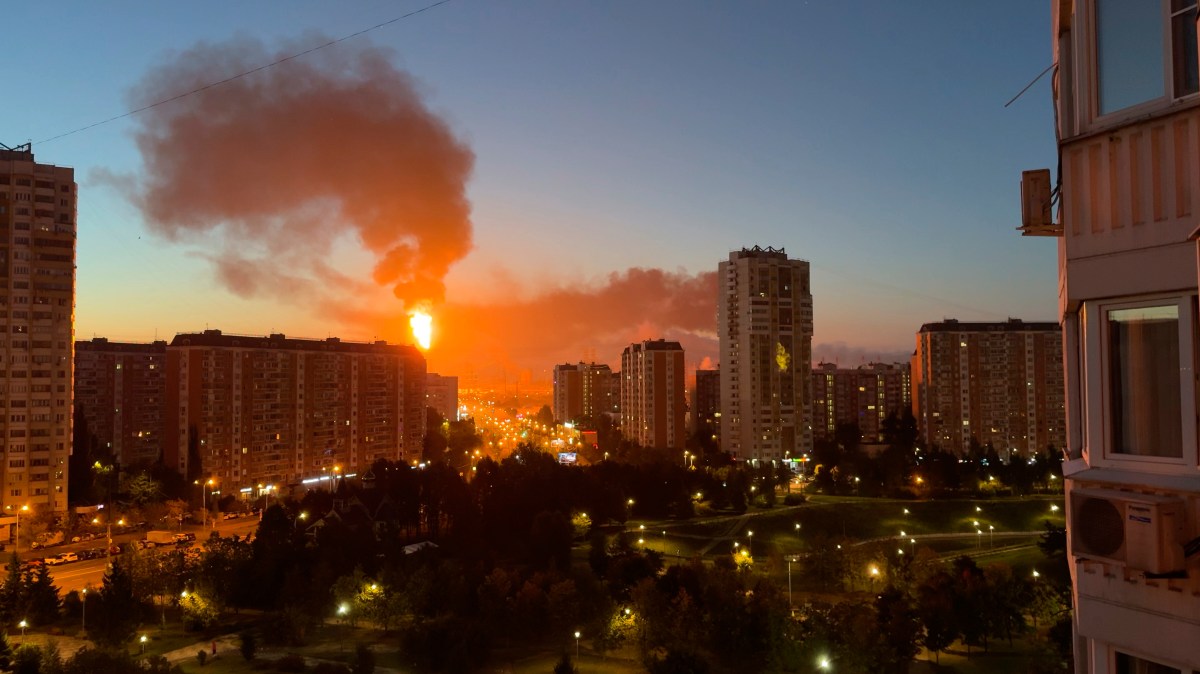
Ukraine has expanded long-range drone attacks on Russian oil and gas facilities, arguing that the industry funds Moscow's military operations. The campaign has damaged refineries and disrupted fuel production in several regions of Russia.
Trump warned last month that refinery attacks were contributing to surging diesel prices. At the time, AAA reported average U.S. diesel prices above $6 a gallon. The U.S.-Iran war is also affecting diesel prices as well.
On Friday, G7 nations announced a coordinated release of 100 million barrels of oil and fuel products after pressure from the Trump administration and growing concern about tight global fuel supplies. Analysts previously told Newsweek the move could help ease prices in the short term, although refinery outages and export restrictions remain major challenges.
Energy experts have cautioned that stockpile releases may provide only temporary relief if refining capacity remains offline.
Zelensky's remarks also highlighted the gap that remains between ongoing diplomatic efforts and conditions on the battlefield.
The Trump administration has sought to revive negotiations involving Ukraine, Russia and the United States. Trump envoy and his son-in-law Jared Kushner recently said territorial disputes in the Donbas remain the largest obstacle to a peace agreement.
At the same time, Zelensky said Ukraine's counteroffensive in eastern Ukraine, code-named "Vivaldi," has recaptured roughly 140 square kilometers of territory.
The Ukrainian leader said he would be willing to meet Putin at the G20 summit in Miami later this year but warned against normalizing relations with Moscow before a peace settlement is reached.
Meanwhile, both sides are preparing for another difficult winter. Ukrainian officials say Russia has stockpiled ballistic missiles and increased its use of jet-powered Shahed drones against critical infrastructure. Zelensky acknowledged Ukraine is facing ammunition shortages for some air-defense systems but said new defensive capabilities are expected in the coming weeks.
For now, he signaled Kyiv's strategy will remain unchanged: continuing attacks on Russian energy facilities despite Trump's concerns about global fuel supplies and the impact on wider peace efforts.
Newsweek’s reporters and editors used Martyn, our AI assistant, to produce this story. Learn more about Martynhere. Contact Newsweek editors for this story: Steve Mollman and Anthony Murray.