‘You botched the case, you’re also suspicious’: Judge grills SSP over Mir Raza probe
Direct Source Verification:
This story is aggregated from The Express Tribune (tribune.com.pk). Full reporting rights and copyright belong to the primary publisher.
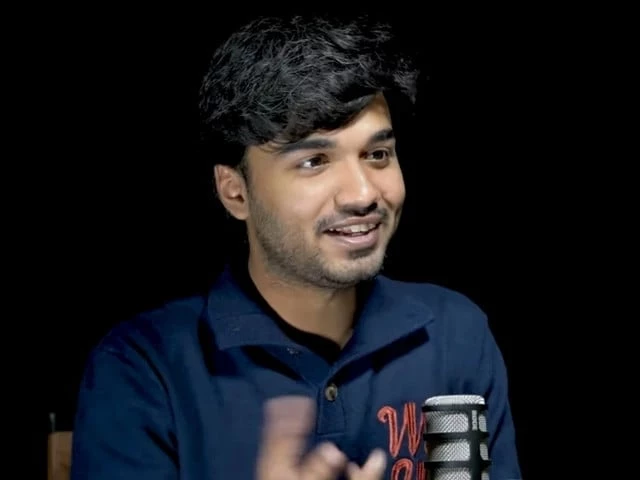
Justice Sial questions police handling of CCTV, evidence, crime scene, and suicide narrative during case proceedings
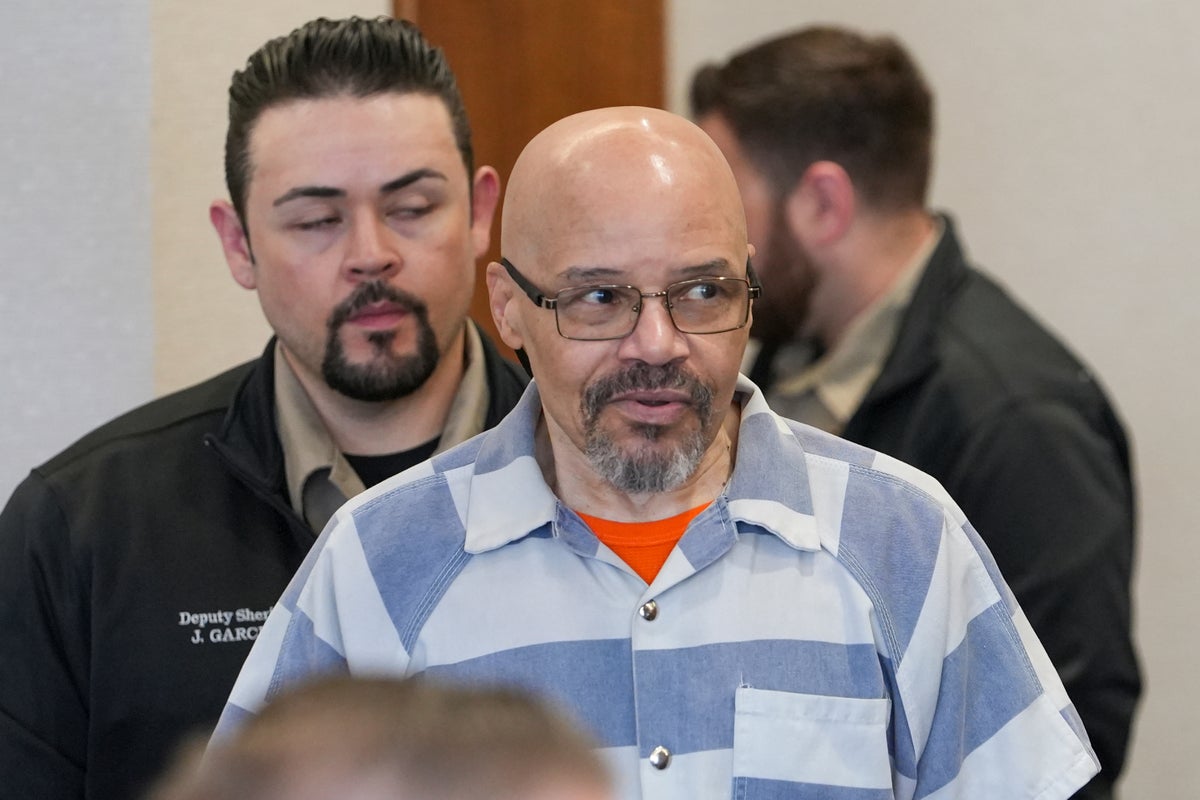
The judicial commission probing the death of Mir Raza came down hard on the police investigation on Thursday, with Justice Omar Sial telling SSP Samiullah Soomro that the case had been “botched” in its crucial early days and questioning whether the police officer himself had become a subject of suspicion.
Mir Raza, 25, was allegedly found dead near a wedding hall in Gulistan-e-Johar on July 29. The case had initially been surrounded by uncertainty over whether he had been murdered or died by suicide. The court ordered a second post-mortem exam of the victim after the first report failed to determine the circumstances surrounding his death. The findings of the second post-mortem consolidated his family’s longstanding claim that he had been murdered. The police probe is under serious scrutiny because of lapses that were admitted by the Sindh Police chief.
The commission also grilled senior health officials over the abrupt replacement of a medical board, including the decision to replace Karachi-based specialists with doctors from Hyderabad, and questioned the legal authority behind the changes. The proceedings, headed by Justice Sial, produced a series of pointed exchanges over the handling of CCTV footage, Mir Raza’s mobile phone and smartwatch, the crime scene, witness statements and the police’s apparent focus on a possible suicide and financial-pressure narrative.
Read: Mir Raza case: Commission says Dr Usama targeted Dr Summaiya with smear campaign
During questioning, Justice Sial told SSP Soomro that the first six days of the investigation were crucial and appeared to have seriously compromised the case. “You botched the case. You are also suspicious,” the judge remarked, according to the proceedings.
Soomro told the commission that he had been assigned the investigation on August 2 and headed a team that included SSP East Zubair Nazir, SSP East Investigation Usman Saduzai and, later, officers from the Citizens-Police Liaison Committee.
The commission repeatedly questioned why the family’s statements had not been formally recorded. Soomro said he had directed SSP Zubair Nazir to meet the family, but was told that they had initially declined. Family members disputed that account during the proceedings, saying they had met police officers on August 3.
Justice Sial questioned Soomro over the failure to personally ensure that the family’s statements were recorded, saying that he was the head of the investigation team regardless of the administrative control exercised by other officers.
The commission also challenged the police’s handling of CCTV footage. Soomro acknowledged that only footage from one street had been examined showing Mir Raza travelling in the area, despite the presence of multiple streets and dozens of cameras around the location.
Soomro said more than 30 CCTV clips had been collected, but Justice Sial demanded the relevant memos and questioned why investigators had not systematically secured footage from all surrounding streets before it became unavailable. The judge also questioned a video circulated in the media in which Mir Raza appeared to throw something away. Police had suggested that he was throwing his mobile phone, but Soomro conceded that the footage did not establish this conclusively.
Also Read: Mir Raza commission warns businessman over media interviews
The handling of the mobile phone came under further scrutiny. Soomro said he had neither seen the phone nor the officer who recovered it, while the commission questioned why the recovery and subsequent transfer of such a crucial piece of evidence had not been properly documented.
The smartwatch was another major point of contention. Soomro said it had been seized before he took charge and that he had not personally seen it. Justice Sial pointed out that another police officer had said the smartwatch was handed to Soomro, highlighting conflicting accounts within the investigation. The commission also questioned why no action had apparently been taken against subordinate officers despite contradictions in their statements and evidence-handling procedures.
Crime scene under scrutiny
The treatment of the crime scene drew some of the strongest criticism. Soomro told the commission that investigators had initially failed to find a shell casing and that bushes near the scene were later burned during a search. He said an SIU inspector, Ghaus, had taken the decision to burn the bushes, while a 40-member team subsequently found the shell casing on August 6.
Justice Sial questioned whether burning vegetation at a crime scene was standard investigative practice and demanded the name of the person who had authorised the action.
The judge also questioned why a holster allegedly recovered on July 31 had not been found when Mir Raza’s body was discovered on July 29. Soomro said the holster should have been recovered on the day the body was found if the scene had been properly searched. Justice Sial criticised the overall handling of the crime scene, saying the recovery of evidence had effectively been compromised.
Suicide, financial-pressure narrative questioned
The commission also examined how the narrative of suicide and financial pressure entered the investigation. Soomro said statements from Raza’s friends and business associates referred to financial pressure and that investigators had also received information about his cryptocurrency trading. He denied having deliberately promoted a suicide narrative in the media, saying he had told a journalist that the available evidence raised concerns about suicide. The commission questioned how police could publicly discuss such a theory when the family’s formal statements had not yet been recorded.
Jibran Nasir, counsel for Mir Raza’s family, argued that the police had failed to properly investigate alternative lines of inquiry and had focused disproportionately on financial pressure.
Read More: Cyber probe ordered into online campaign against police surgeon
The commission also questioned the role of ASP Nida, asking why she appeared repeatedly in different stages of the investigation. Soomro said she had initially been involved in speaking to Mir Raza’s fiancée and had accompanied officers during interviews and meetings. Justice Sial questioned whether she had been assigned any specific investigative responsibility and why she was involved in interactions with several officials and agencies.
The proceedings also touched on claims involving Raza’s alleged financial dealings, including screenshots and a voice note attributed to Ali Shahz. The commission questioned how such material reached the media and why some witnesses were not formally examined until weeks after the incident.
Medical board switch
Earlier, the commission questioned Health Secretary Tahir Hussain Sangi over the decision to alter the medical board dealing with the case. Justice Sial asked why the board had been changed late at night and why Karachi specialists were replaced by doctors from Hyderabad. Sangi said he had been informed that the existing board did not include sufficiently senior forensic specialists and that adding independent experts was considered more transparent.
The judge questioned the legal basis for changing the board and asked whether the police surgeon had the authority to constitute a medical board for an exhumation. When Sangi referred to previous court orders involving medical boards, Justice Sial challenged him to produce a specific legal precedent, saying the secretary appeared to be shifting responsibility to the courts.
Also Read: NCCIA obtains Binance, crypto transaction data in Mir Raza murder case
The commission also questioned whether Sangi had authorised Special Secretary Health Shaharyar Memon to seek a fresh review of the board. Sangi said he had directed the special secretary to ensure that the board was changed in accordance with the court’s directions, while maintaining that individual members could be added without his personal approval.
Justice Sial questioned why Hyderabad doctors had been brought into a case based in Karachi, asking whether Karachi or Hyderabad was geographically closer under the relevant law. The judge also questioned whether the change had actually improved transparency, noting that the earlier board already contained experienced specialists.
Special secretary denies authority
Shaharyar Memon, now director general health services and formerly special secretary, was subsequently summoned by the commission. Memon denied having the authority to replace the medical board, saying he had merely asked the DG Health to review the existing arrangement after learning that the police surgeon had constituted a board. The commission repeatedly pressed him on the legal basis for ordering a review and asked whether he had acted beyond his authority. Memon said the decision was taken in good faith and in light of the court order.
Justice Sial, however, questioned the contradictory accounts between Memon, Sangi and the former DG Health over who had initiated the changes and who had proposed the new members.
The judge also questioned Memon over his connection to Liaquat University, where he had studied, and raised the fact that other individuals connected to the case had also studied there. The commission was told that the police had now requested the formation of a new “super medical board”. Memon confirmed that an application had been received from DIG Amir Farooqi under the Sindh Medico-Legal Act 2023 and was being reviewed.
Investigation records under microscope
The commission also questioned the police over witness statements, with the proceedings indicating that several statements had allegedly been recorded by people other than the designated investigating officer and subsequently signed by him. Soomro acknowledged that such a practice would be contrary to procedure and that investigating officers should record statements themselves. Justice Sial questioned whether investigators had deliberately relied on weak investigative procedures and criticised the repeated shifting of responsibility among officers.
The commission also examined geofencing, vehicles and people appearing in CCTV footage, the role of guesthouse employees and the possible movements of a motorcyclist seen in the area.
Read: Police surgeon alleges pressure, threats to hide evidence suggesting murder before Mir Raza judicial commission
Soomro said investigators had interviewed guesthouse employees and found nothing suspicious among four people examined, while one person had reportedly left for Umerkot and another motorcyclist could not be traced. The commission questioned why investigators had not pursued every person appearing in the available footage.
Advocate Nasir also alleged that the family had identified suspicious activity at a guesthouse and that some people fled after being shown Mir Raza’s photograph. These claims were put before the commission during the proceedings.
Advocate Nasir alleges police trying to portray murder as suicide
Later, speaking to reporters after proceedings before the Judicial Commission, Nasir alleged that police had failed to properly investigate the case and were instead attempting to establish the death as a suicide.
He said the police had remained focused from the outset on the premise that there was no killer involved. “The killer’s identity will emerge from CDR and CCTV footage. How can a killer be identified through a bullet mark or acid?” he asked, alleging that police were trying to turn the case into one of suicide.
Nasir said the statements of the Sindh health secretary and SSP Samiullah Soomro were recorded before the commission during Thursday’s proceedings.
He said it had also been confirmed that a request had been made by Amir Farooqui for permission to constitute a super medical board to review the findings of the previous medical boards. “How will a super medical board identify the killer?” Nasir questioned, alleging that the move was aimed at protecting officials from scrutiny.
The Mir Raza family lawyer said the proceedings had exposed shortcomings in the initial police investigation, claiming that there were nine streets in the area but CCTV footage from only one street had been examined.
The police, he alleged, conducted “interviews” of witnesses instead of recording their statements through the prescribed legal procedure and subsequently promoted their own narrative.
Nasir also questioned why investigators had repeatedly recorded the statement of Dr Usama while no member of the medical board had so far had their statement recorded. “Dr Usama was called on August 9, which the SSP has confirmed. But why was Police Surgeon Dr Summaiya Syed not asked to give a presentation in the same manner?” he asked.
According to Nasir, investigators had yet to establish the identities of the person travelling in a white Alto and a motorcyclist seen in connection with the case.
He also said the family had not been informed about the telephone numbers identified through geofencing. “CCTV footage may have been lost, but geofencing and CDR records still exist,” he added.
Read More: Discrepancies emerge in Mir Raza autopsy as ‘missing’ details surface in judicial commission hearing
Nasir alleged that crucial evidence had been lost during the first 10 days of the investigation and questioned whether any action had been taken against police officers responsible for the initial probe. He said the investigation team had also refused to provide access to certain records before the commission.
“The police have given their account on oath and have effectively shown that they did not conduct the investigation properly. The JIT has to do the work that the police investigation failed to do,” he said.
Nasir said there was no legal bar on constituting a Joint Investigation Team and reiterated that the family had demanded a JIT from the first day.
He also alleged that the investigation had failed to establish the movements of Shahzaib Mushtaq in Karachi between August 4 and 6, adding that SSP Soomro had expressed ignorance about the matter.
The commission, according to Nasir, observed that police had examined CCTV footage from only one street and had failed to check other available cameras. He said the family had requested that additional IGs and DIGs concerned be summoned before the commission in their personal capacity.
Nasir further said the request for a super medical board had raised questions about the intentions of the new investigation team. “If the Sindh government takes any administrative decision to constitute a super medical board on the police’s request, we will challenge it,” he added.
Original Source
https://tribune.com.pk/story/2631226/you-botched-the-case-youre-also-suspicious-judge-grills-ssp-over-mir-raza-probe