World's 20 most polluted places are in India today, but Delhi misses top 10
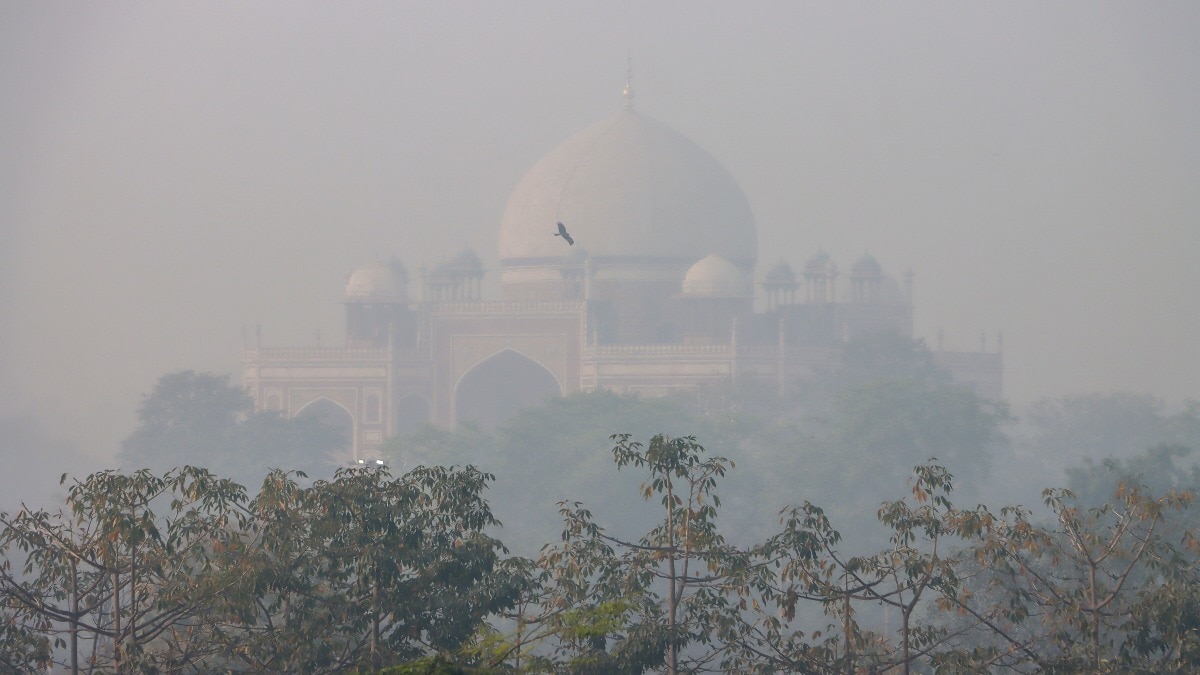
Delhi's air quality remained in the hazardous zone on Friday morning, November 6, with the national capital recording an AQI of 524 at 9:56 am, according to AQI.in.
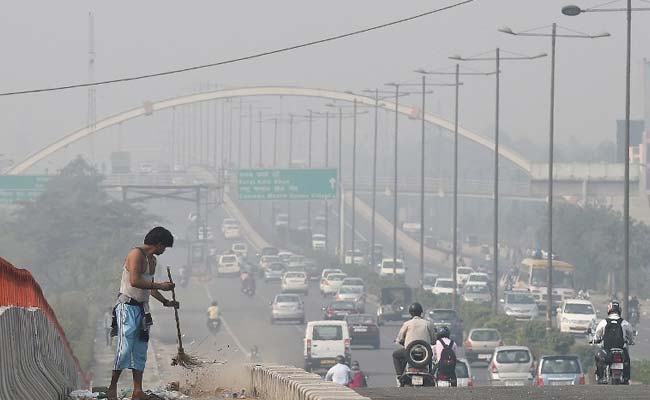
That's alarming. But what's even more worrying is the fact that the capital was not even among the 10 most polluted cities around the world. In fact, it ranked 16th in a list of the 20 most polluted places. Commuters pass by amid poor air quality, at Jasola, in New Delhi. (Photo: PTI)
The ranking was topped by Meerut in Uttar Pradesh, which recorded an AQI of 727, followed by Hapur at 718. Haryana's Hisar and Punjab's Bathinda occupied the third and fourth positions, with readings of 631 and 627, respectively.
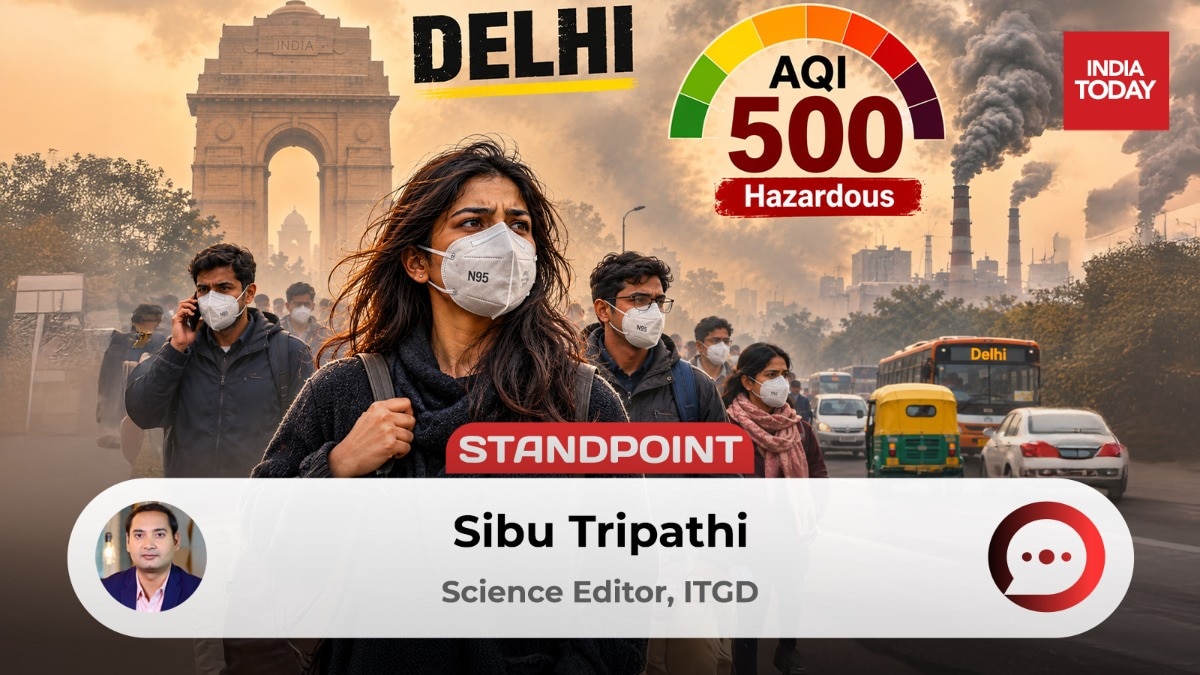
Uttar Pradesh, Haryana and Punjab accounted for all 20 cities on the list, highlighting how severe pollution has become across the wider northern Indian region, and not just Delhi-NCR. (Photo: Gen AI/India Today)
The latest reading comes as Delhi struggles with deteriorating air quality just two days before Diwali, on November 8 this year.
The situation is already worse than last year's festival period.
According to AQI.in, Delhi recorded a daily average AQI of 376 on Diwali, October 20, 2025, which increased to 393 the following day.
This year, the capital's daily average had already reached 410 on November 3. On November 4, the reading touched 494 at 10:31 am, and the trend seems to be picking up pace with each passing day. People cover their faces amid smog in New Delhi. (Photo: PTI) The comparison suggests that pollution has climbed to levels worse than last year's Diwali readings even before this year's celebrations have begun.WHAT'S BEHIND THE POLLUTION?
The persistent pollution draping Northern India is being driven by a combination of pollution from vehicles, industries, road dust and crop residue burning in neighbouring states, and even in a neighbouring country.
Farm fires in Punjab and Haryana have also increased in recent days, and satellites have captures smoke from farm fires in Pakistan travelling to the Indian regions. A thick layer of haze blankets the area along a waterbody as the sun rises in Patna, Bihar. (Photo: PTI)
Weather conditions are also adding to the problem.
Calm winds near the ground and a layer of warmer air above are keeping pollution from dispersing easily, allowing it to accumulate closer to the surface.
The Commission for Air Quality Management (CAQM) has also identified fine particulate matter, or PM2.5, as a major pollutant in Delhi. These tiny particles can enter deep into the lungs and even reach the bloodstream.
With Diwali still approaching, the capital faces the possibility of further deterioration as firecracker emissions add to an already heavy pollution load.- Ends