World Alzheimer’s Day: Why families should not ignore early dementia signs - IOL
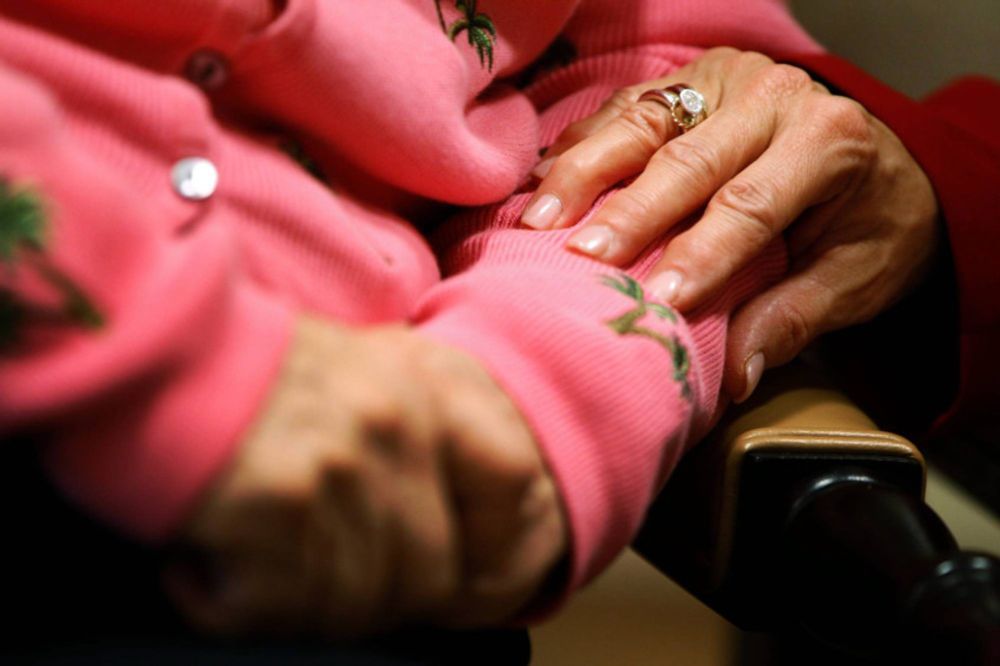
Families are being urged to take changes in memory, behaviour, and everyday functioning seriously rather than dismissing them as part of growing older, as organisations mark World Alzheimer’s Day with a renewed call for earlier diagnosis and support for people living with dementia.
World Alzheimer’s Day was marked on September 21 under the theme, “The Earlier You Know, The More You Can Do: A Dementia Diagnosis Matters”.
Knowing when forgetfulness is part of normal ageing and when it needs to be investigated is not always easy.
Debbie Beech, a trained social worker who has worked in the dementia field since 2017 and manager of Rand Aid Association’s Elphin Lodge retirement village, said memory problems should not be ignored when they begin to interfere with everyday life.
“Dementia is not normal ageing,” she said. “An early diagnosis is always recommended so that decisions can be made in advance while the person is still able to.”
Beech said an early diagnosis allows families to plan for future care, put financial affairs in order and make memories while the person is still able to participate fully.
She also stressed that people living with dementia should be involved in decisions about their future care for as long as they can make them.
She added that forgetting certain details of the day is a normal part of ageing, while stress, medication, vitamin deficiencies, emotional well-being and poor sleep can also affect memory.
“If you walk into the kitchen and forget why, but remember when you retrace your steps, that is normal,” she explained. But when forgetfulness begins to affect daily functioning, she said it should be investigated.
Beech said caring for someone with dementia can also take a considerable emotional and physical toll on families.
“It is easy to have your entire life revolve around the person being cared for. This leads to burnout.”
She said regular breaks were essential, with another family member or a paid carer able to provide cover and give the caregiver genuine time for themselves. “Running errands or doing the shopping does not count as a break.”
At provincial level, Gauteng is also expanding support for older people who require care and assistance.
Gauteng Social Development MEC Nomantu Nkomo-Ralehoko said the effects of Alzheimer’s and dementia were felt beyond the person diagnosed.
“Behind every person with Alzheimer’s or dementia is a family and a community that also needs support,” Nkomo-Ralehoko said.
The department has called on families to seek help when changes in memory, behaviour, or the ability to manage daily activities become noticeable.
Nkomo-Ralehoko said older people must also be protected from neglect and isolation.
“We must build communities where ageing is not associated with neglect or isolation.”
At national level, the Department of Health is finalising a National Policy Framework and Strategy for Older Persons, aimed at improving access to healthcare and the quality of care, including long-term care.
The work forms part of South Africa’s commitments under the United Nations Decade of Healthy Ageing, which promotes person-centred care and better access to long-term support for older people.