Why the Middle East Conflict is Driving Up Global Coal Demand
JAKARTA, KOMPAS.com - The Middle East conflict has not only shaken up oil and gas markets but also reshaped global coal demand.
Directly, coal shipments rarely pass through the Strait of Hormuz.
The International Energy Agency (IEA) notes that almost no coal shipments traverse this strait, as the Middle East is neither a major coal producer nor consumer.
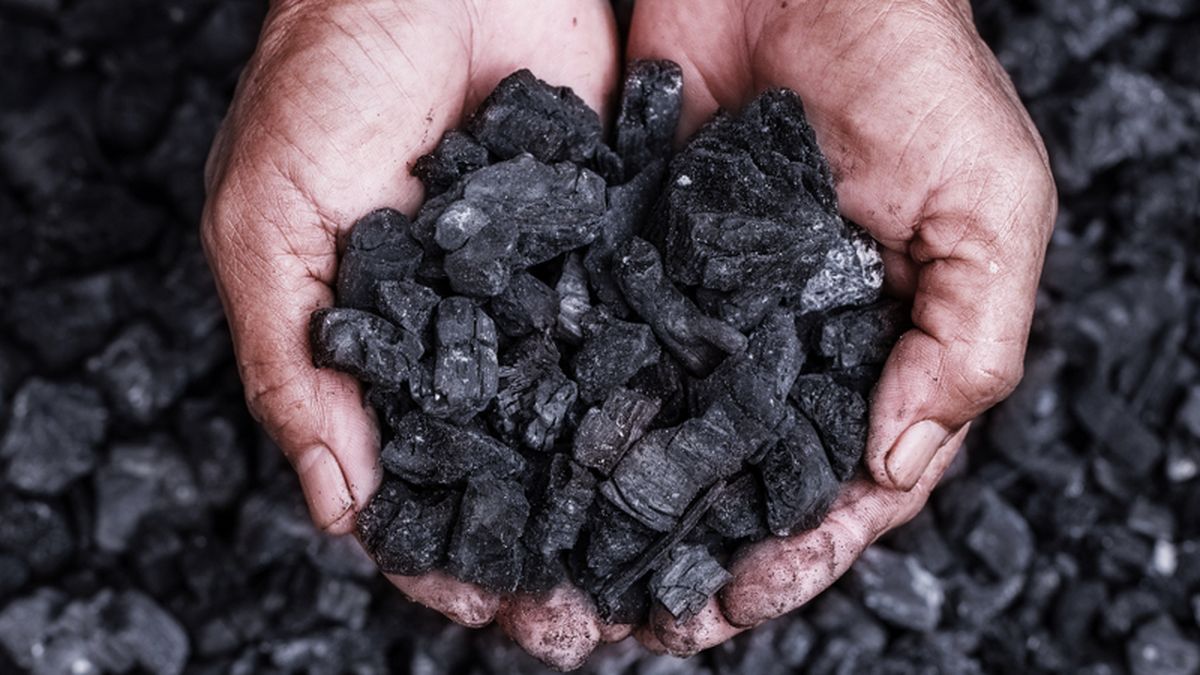
MAGNIFIC/MAGNIFIC Coal illustration.
However, disruptions to liquefied natural gas (LNG) shipments through the Strait of Hormuz have tightened gas supplies and driven prices up.
This situation has prompted some countries with gas-fired power plants alongside coal-fired capacity to increase coal use once again.
The impact is evident in revised global coal consumption projections.
In its Coal Mid-Year Update 2026, the IEA has adjusted previous forecasts that anticipated a slight decline in global coal demand in 2026. Now, coal consumption is expected to grow by 1.2 percent to 8.94 billion tons in 2026, marking a new record.
The ripple effects began in the natural gas market.
IEA explains that the Middle East conflict has significantly reduced LNG shipments via the Strait of Hormuz. Although these disruptions don’t directly hinder coal supply, they have pushed natural gas prices higher.
KOMPAS.com/SAKINA RAKHMA DIAH SETIAWANThe Middle East conflict has not only shaken oil and gas markets but also reshaped global coal demand.
In several countries, coal serves as the main alternative to natural gas for power generation. As gas prices rise, coal-fired power plants become relatively more competitive.
IEA notes this trend has driven increased coal-fired electricity production in countries that still maintain both gas and coal power generation capacity.
The effects have been observed in China, South Korea, Japan, Europe, and other markets. The IEA also points to regulatory actions in some countries that have reinforced this shift toward coal.
Thus, the mechanism is not that coal supply is disrupted by the Strait of Hormuz, but that interruption to one energy source affects the economics of another.
The power generation sector plays a crucial role here. In 2025, coal-fired power generation accounted for 5.954 billion tons of global coal consumption.
The electricity sector is also the largest coal consumer worldwide.
These changes in energy market conditions have led to a significant revision of IEA forecasts.
In its December 2025 annual report, IEA had projected a slight global coal demand decline in 2026. However, subsequent developments—chiefly the Middle East conflict and weather factors—prompted an upward revision.
Global coal demand is now expected to rise 1.2 percent to 8.94 billion tons in 2026, exceeding 2025 consumption of 8.84 billion tons.
KOMPAS.com/SAKINA RAKHMA DIAH SETIAWANThe Middle East conflict has not only shaken oil and gas markets but also reshaped global coal demand.