Why spectre of US tariffs over buying Russian oil is a double-edged sword for India
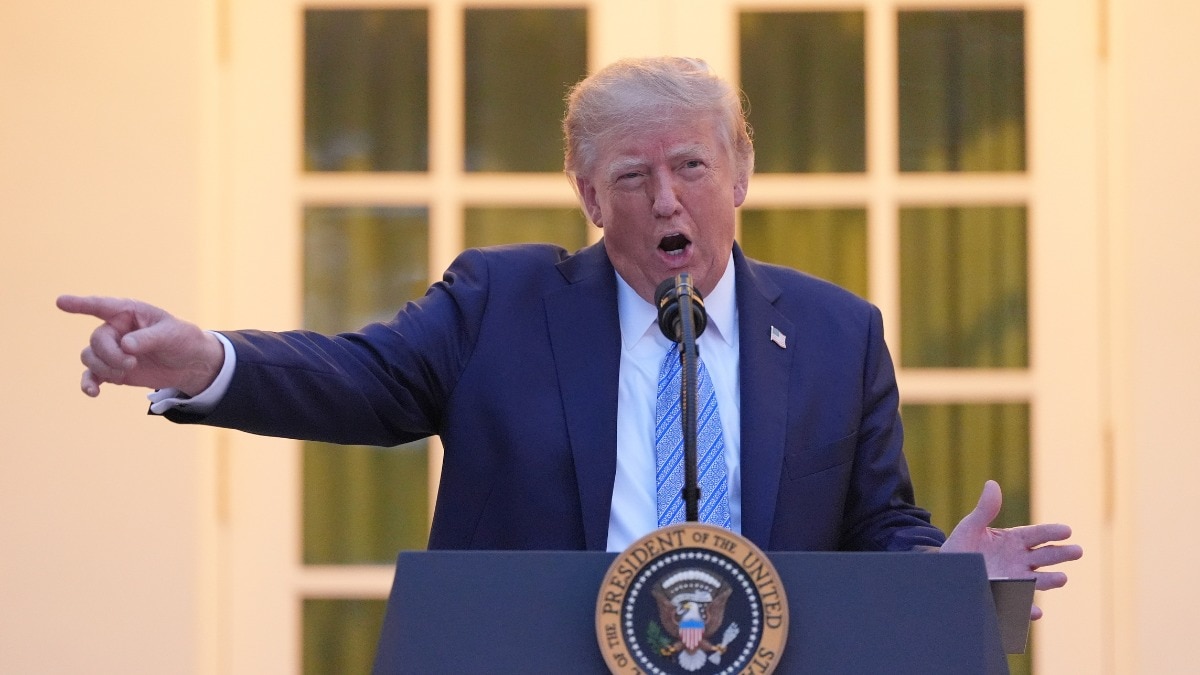
The US House of Representatives, on September 16, passed a legislation that targeted Russia’s energy sector, and while doing so, authorised president Donald Trump to impose tariffs up to 100 per cent on India and other countries for buying oil and gas from Moscow. Two days on, Trump signed the Act, named Lindsey O. Graham Sanctioning Russia and Iran Act of 2026, into law.
On August 7, the US Senate had approved the bill that would impose the said tariffs on five countries that were the biggest buyers of Russian oil and gas: India, China, Azerbaijan, Hungary and Slovakia. India imports half of its crude oil from Russia. If Trump puts his stamp on the bill, it will prove to be a double-edged sword for India, hurting its exports of merchandise and services to the US as well as its oil and gas imports from Russia.
The move comes despite the US withdrawing its February 2026 proposal to impose a 25 per cent penalty on Indian exports to the US for buying Russian crude. The new US House of Representatives move has cast a shadow over India’s oil imports as well as the India-US trade pact, the final contours of which are currently being drawn between the trade representatives of both countries.
India currently faces a 10 per cent headline tariff in the US (under Section 301), which applies to nearly 55 per cent of its exports to the US. The remaining 45 per cent (generic pharmaceuticals, smartphones, etc.) are either exempt or facing Section 232 tariffs (steel, aluminium, auto parts, etc.).
India’s current effective tariff rate in the US is estimated at around 12 per cent, lower than that for Bangladesh (~25 per cent), China (~22 per cent), Vietnam (~14 per cent), and Indonesia (~14 per cent), according to Madhavi Arora, chief economist at Emkay Global Financial Services.
“This development increases tariff uncertainty and risks derailing the recovery in India’s exports to the US since the International Emergency Economic Powers Act (IEEPA) tariffs were struck down in February 2026,” Arora writes in a research note co-authored with research associate Harshal Patel.
“India’s average monthly exports to the US had dropped to $6.5 billion during September 2025 to February 2026 (when India faced 50 per cent tariffs), versus $8.1 billion in the preceding six months. This has now risen to $8.5 billion (from March 2026 to August 2026) with the tariff rate having dropped to 10 per cent (and largely in-line with peers). A significantly higher tariff being imposed under this bill would again likely see India’s exports to the US falling materially,” she wrote.
India’s exports to the US rose to $87.31 billion in FY26, accounting for roughly 20 per cent of the country’s total outbound shipments.
“India navigated last year’s tariff episode via product and destination diversification (exports to the likes of Spain, China, Hong Kong, eastern African nations, etc. were all significantly higher), and a similar strategy is likely to be employed if US tariffs are raised once again,” the Emkay Global analysts wrote. “The India-UK FTA (free trade agreement) implementation should also help improve exports to the UK, with the European Union FTA implementation coming down the road.”
However, in a note of caution, they said that with the US being India’s largest export destination, a large hit to US exports can only be mitigated, not completely absorbed. “This also adds uncertainty to the ongoing India-US bilateral trade agreement negotiations, and may increase pressure on India to provide more concessions and tariff-free access for US goods to the Indian market,” they add.
While India’s exports to the US will take a hit, the move by the US will also have an impact on India’s oil imports from Russia. India, which imported nearly 90 per cent of its oil requirement, imported half its crude oil imports from Russia in August, per media reports. India imported around 2.47 million barrels of crude daily from Russia in August, a 62.4 per cent surge from a year ago, representing 50.83 per cent share of total oil imports into the world’s third-largest oil buyer.
India’s dependence on Russian crude grew sharply since Russia’s invasion of Ukraine in February 2022. Western sanctions and the departure of European buyers left Moscow offering discounts to Asian refiners. Although imports from Russia faced US sanctions and had moderated later on, it surged again this year.
The Iran war starting end-February, which caused major disruptions in the Strait of Hormuz, choking crude oil and gas supplies to India from the Middle East, led to a surge in crude imports from Russia once again. With the impasse at the Strait continuing, India has not many options left but to keep importing oil from Russia.
Even the 25 per cent penalty last year imposed by the US on India for buying Russian oil did not prevent New Delhi from buying from Moscow. While India had to stop buying from two Russian firms—Rosneft and Lukoil—after the US imposed sanctions on these firms, it continued to buy from other Russian suppliers. That is likely to happen in the new scenario too, say experts.