Why Bengaluru, Hyderabad and Pune are emerging as retirement hotspots
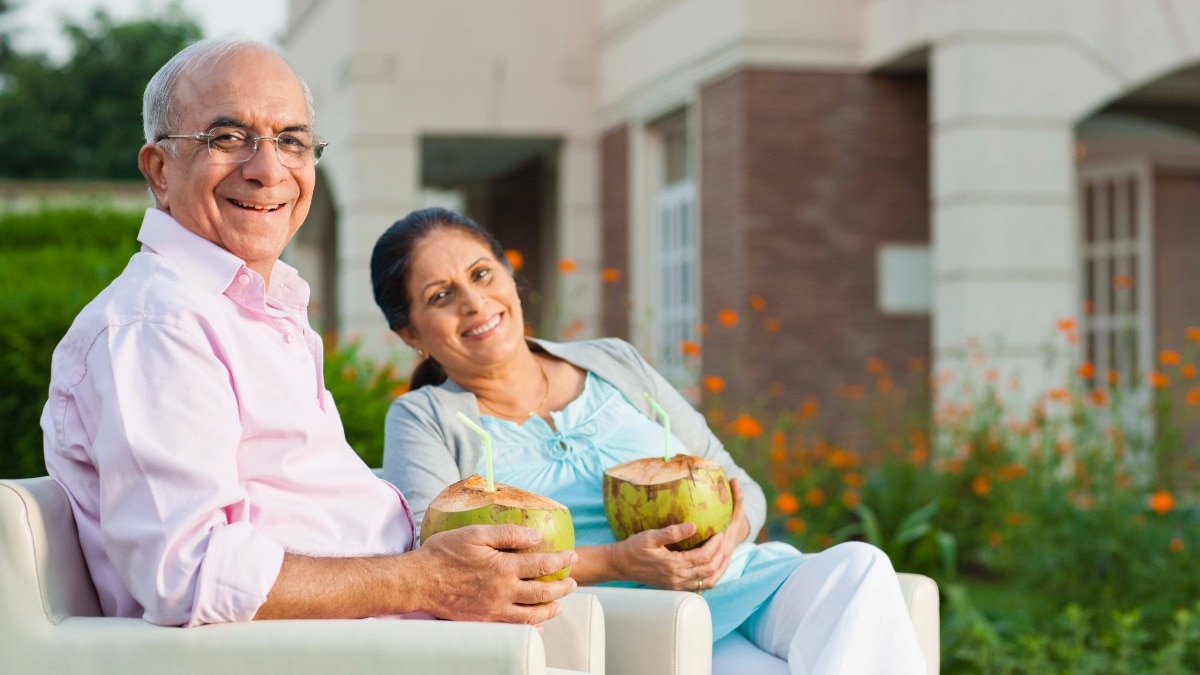
Growing demand for homes that offer comfort, safety and access to healthcare is putting Bengaluru, Hyderabad and Pune on the map as India's leading senior living markets. These cities are attracting attention from developers as more older Indians look for homes that offer more than just a place to live.
India's senior living market is expected to grow from $4.31 billion in 2026 to $11.43 billion by 2031, according to Square Yards' Senior Living Report 2026. Bengaluru ranks first among the leading markets assessed in the report, followed by Hyderabad and Pune. Hyderabad is expected to record the fastest growth in the segment over the next few years.
The growing interest in these cities reflects a change in how people view retirement. Many older homebuyers are now looking for communities where they can live independently while having access to healthcare, wellness facilities and everyday support.WHY THESE THREE CITIES ARE ATTRACTING ATTENTION
Bengaluru leads the senior living market, supported by its established healthcare facilities, residential developments and growing organised senior housing segment. The city has an existing ecosystem that can support projects designed around the needs of older residents, the report mentioned.
Hyderabad, meanwhile, stands out for its growth potential. Its relatively affordable property market, access to hospitals and expanding residential infrastructure make it an attractive destination for senior living projects. These factors are also expected to help the city record the highest compound annual growth rate (CAGR) in the segment through 2031.
Pune has also emerged as an important market. Its established residential base, senior population and existing supply of senior housing have helped strengthen its position.
Together, these cities show why healthcare access, affordability and suitable housing are becoming important factors in the growth of senior living in India.SENIOR LIVING IS ABOUT MORE THAN JUST A HOME
The demand for senior housing is changing. Older residents and their families are increasingly looking for communities that combine comfortable homes with services that make daily life easier.
These may include housekeeping, dining facilities, wellness programmes, safety systems, social spaces and access to medical assistance. The idea is to help seniors maintain their independence without having to manage every aspect of daily life on their own.
Tanuj Shori, Founder and Chief Executive Officer of Square Yards, said India was seeing the emergence of a multi-billion-dollar asset class driven by seniors seeking independence, specialised wellness and a better quality of life.
Sunita Mishra, Vice-President, Research and Insights at Square Yards, said senior living was increasingly about value rather than just location. She added that many people were willing to move to smaller cities for wellness-focused communities with better care, amenities and a lifestyle that suited their budgets.A LARGE GAP BETWEEN DEMAND AND SUPPLY
The potential for growth is also visible in the gap between the number of people looking for senior housing and the supply available today.
Colliers India estimates that demand for senior living in the country stands at around 20–22 lakh units, while organised supply is only about 25,000 units. It expects demand to rise to nearly 30 lakh units by 2030, with organised supply reaching around one lakh units.
The gap leaves considerable room for developers and investors to enter the segment. Colliers also said developers and investors had announced capital commitments of more than Rs 13,000 crore for senior living projects since 2025. These investments are expected to be deployed over the next three to four years.
The expansion may not be limited to large cities. Around 30–40% of expected new project launches could come up in Tier-II and Tier-III cities and spiritual destinations, according to Colliers.
Meanwhile, according to the report, 15 cities could drive the next phase of senior living growth. These include Coimbatore, Vadodara, Nashik, Kochi, Mysuru, Tirupati, Haridwar, Varanasi and Ayodhya.
Lower living costs, larger land parcels, access to healthcare and lifestyle preferences could make these cities attractive for both developers and senior homebuyers. For some older people, moving away from crowded and expensive metros may also offer a more comfortable way of life.
This could widen the market beyond the traditional retirement destinations and give developers opportunities to build communities suited to local needs.
In other words, with Bengaluru, Hyderabad and Pune leading the way, India's senior living market is entering a new phase of growth. Its long-term success, however, will depend on whether developers can match comfortable housing with quality care and everyday support.- Ends
Jasmine Anand is a Senior Reporter (Emerging Tech) at India Today. With over 15 years of experience, she has earlier worked as a Financial Journalist in a multinational equity research firm, tracking equities, stock market, economy, IPOs and market-moving stories. Jasmine's forte is to scribe meticulously complex facts and figures into lucid and interesting reads. In her leisure time, she loves binging on movies and is passionate about painting, calligraphy, arts and crafts.