When Are October 2026 SNAP Benefit Payments Coming? - Newsweek
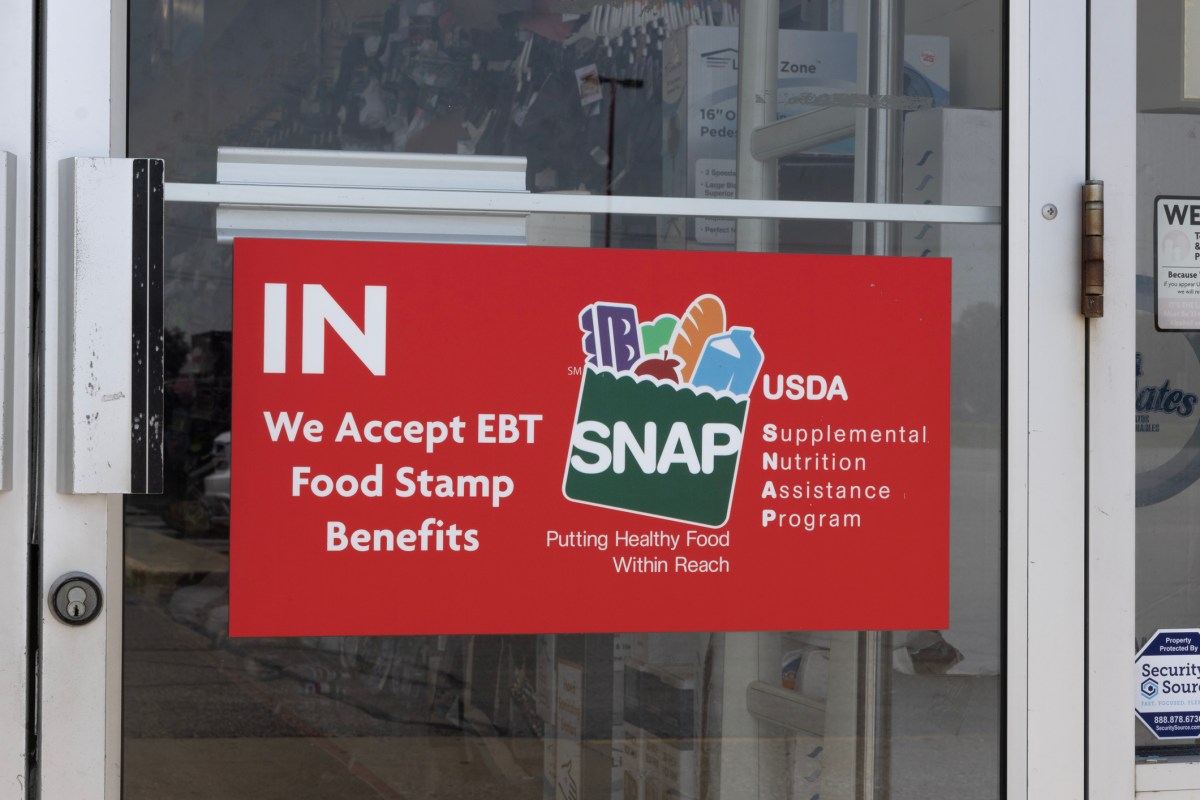
Millions of Americans who receive benefits through the Supplemental Nutrition Assistance Program (SNAP) will begin collecting their October payments next week. But when will you get yours?
SNAP, often referred to as food stamps, provides monthly food assistance to eligible low-income households. More than 36 million people across the U.S. currently receive SNAP benefits, which are delivered electronically through an electronic benefit transfer account (EBT). Recipients use this EBT card, which works like a debit card, to pay for eligible groceries at SNAP-authorized retailers.
The program is overseen federally by the U.S. Department of Agriculture (USDA) but administered by the states, meaning not all recipients get their benefits at the same time.
Although SNAP is federally funded, states administer the program and set their own payment schedules. Benefits are loaded onto a recipient's EBT account in a single payment issued once per month.
Some states, particularly those with smaller populations, issue benefits to their entire caseload on one day. Alaska, North Dakota, Rhode Island and Vermont, for example, generally issue benefits on the first of the month, while South Dakota distributes them on the 10th.
Other states stagger payments according to factors such as a recipient's case number, Social Security number, last name or other information. California's CalFresh payments, for example, are distributed during the first 10 days of the month according to the final digit of the recipient's case number.
The asterisk indicates that New York’s SNAP benefits are issued according to the state’s staggered payment schedule, so the October dates shown may represent the beginning or end of the monthly issuance period rather than a single statewide payment date.
October marks the beginning of the 2027 federal fiscal year, meaning new SNAP maximum allotments will take effect on October 1.
For the 48 contiguous states and Washington, D.C., the maximum monthly benefit will increase to $306 for a one-person household, $562 for two people, $808 for three people and $1,023 for a four-person household. Separate benefit levels apply in Alaska, Hawaii, Guam and the U.S. Virgin Islands.
This does not mean an automatic boost for all SNAP recipients, with benefits usually coming in lower and dependent on your income. In June, the average benefit stood at $186.53 per person, according to USDA data.
Hawaii is the only state seeing a slight SNAP decrease in FY 2027 because its benefit level is calculated using a separate Thrifty Food Plan adjustment for Hawaii, rather than the standard formula used for the contiguous states.
SNAP enrollment fell by more than 300,000 people between May and June 2026, new USDA data released last week shows, continuing a substantial nationwide decline in participation following the passage of the One Big Beautiful Bill Act which brought in several new eligibility requirements for SNAP claimants.
Around 36.35 million people received benefits in June 2026, down from 36.69 million the month prior, a decline of approximately 332,000 people. Thirty-four states recorded a month-over-month decline, while 16 actually saw an increase in the number of SNAP recipients.
The decline in part predates the OBBBA, which President Donald Trump signed into law in July 2025, although states are also implementing eligibility and work-requirement changes included in the law. Among other changes, the legislation expanded the age range for adults subject to SNAP's time-limited work requirements and changed several exemptions. USDA has cautioned against attributing changes in enrollment to any single policy.
Compared with June 2025, a month before the OBBBA was approved by Congress, national participation was down by more than 5.3 million people, or 12.8 percent.
A USDA spokesperson told Newsweek that participation numbers are "constantly changing," pointing out there are several factors that could see someone no longer collecting SNAP benefits, including recipients moving into employment, choosing not to participate or experiencing changes in household circumstances. The agency also noted that declines in several states began before the 2025 law was enacted.