Vote out Trump allies: Iran’s Revolutionary Guard issues direct appeal to American voters
Want to bookmark your favourite articles and stories to read or reference later? Start your Independent Membership today.
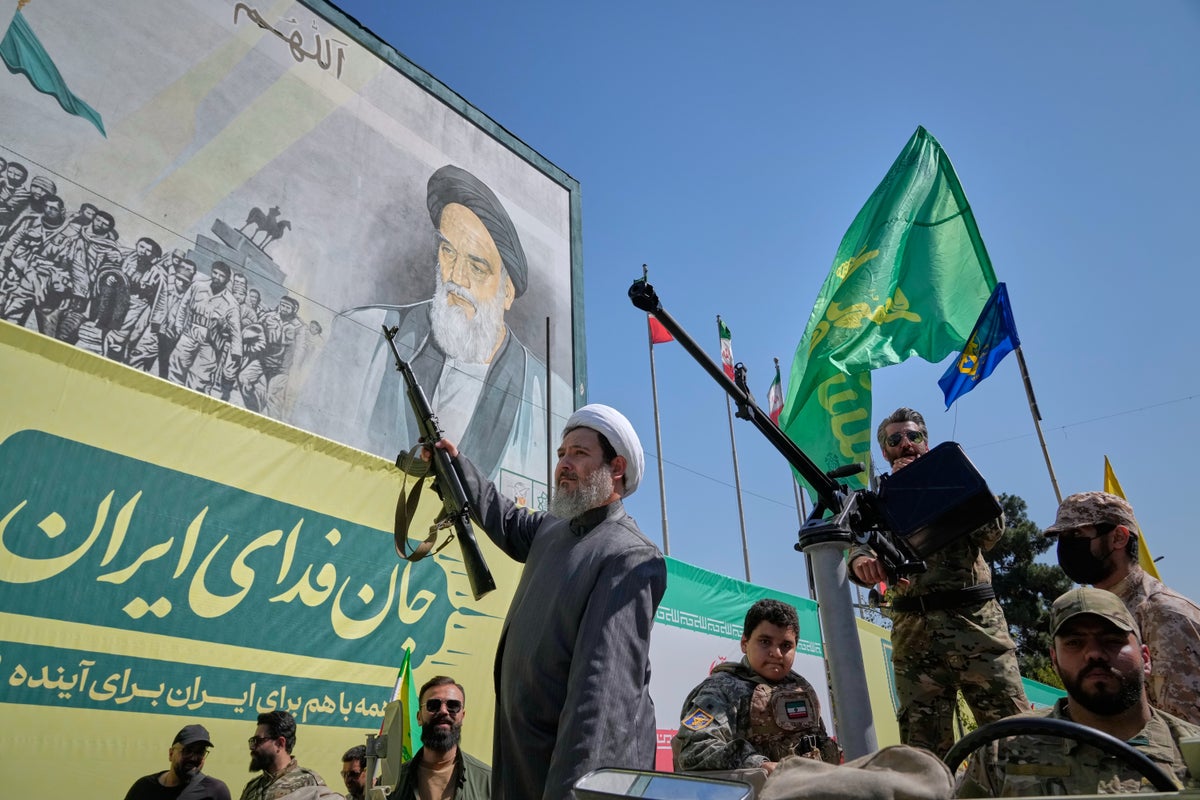
Tehran has celebrated the scheduled departure of American forces from their remaining bases in neighboring Iraq on Wednesday, as Iran’s Islamic Revolutionary Guard Corps issued an explicit appeal urging U.S. voters to vote out Congressional allies of President Donald Trump.
A 26-page letter published by the Guards on Tuesday calls on the American public to exercise their political power to remove incumbent leaders, reject U.S. backing for Israel, and oppose foreign military interventions.
While the message is unlikely to influence American voters who may never see the Iranian media release, analysts point out that it highlights domestic political vulnerabilities facing Trump and the Republican Party ahead of the November 3 congressional elections, in which Democrats could reclaim legislative control and obstruct Trump's agenda.
"Remove from power the evil, deceitful, and violent politicians who are responsible for America’s current state," the letter said. "Make sure your politicians understand that the world has changed."
Trump campaigned in 2024 on promises to avoid new foreign conflicts, settle existing wars, and reduce inflation. However, the conflict with Iran, which Trump initiated alongside Israel, has spread across the Middle East and driven up global energy prices.
A Reuters/Ipsos poll released on September 21 showed that just 17% of respondents approved of Trump's handling of the cost of living—the primary issue voters say will guide their decision in November. Meanwhile, only 34% supported the military strikes against Iran.
Trump, who broke with mainstream Republican views in 2016 by calling the initial U.S. invasion of Iraq a major blunder, permitted the final withdrawal on Wednesday under terms agreed in 2024 by former President Joe Biden. The departure comes 23 years after US-led forces removed Saddam Hussein, sparking years of upheaval that ultimately led to the emergence of Islamic State.
Iran, which asserts that its definitive objective is driving American forces out of the entire Middle East, has framed the departure from Iraq as a major victory for its regional "axis of resistance" of allied militant groups.
Neither Washington nor Tehran has managed to secure an exit from the war despite rounds of negotiations and repeated ceasefires. Intensive talks during last week's UN General Assembly in New York have yet to produce any accord to reopen the strategic Strait of Hormuz, through which 20% of the world's oil and liquefied natural gas passed before fighting broke out in February.