Tucker Carlson Sparks Backlash With Claim UK Shouldn’t Have Fought Hitler - Newsweek
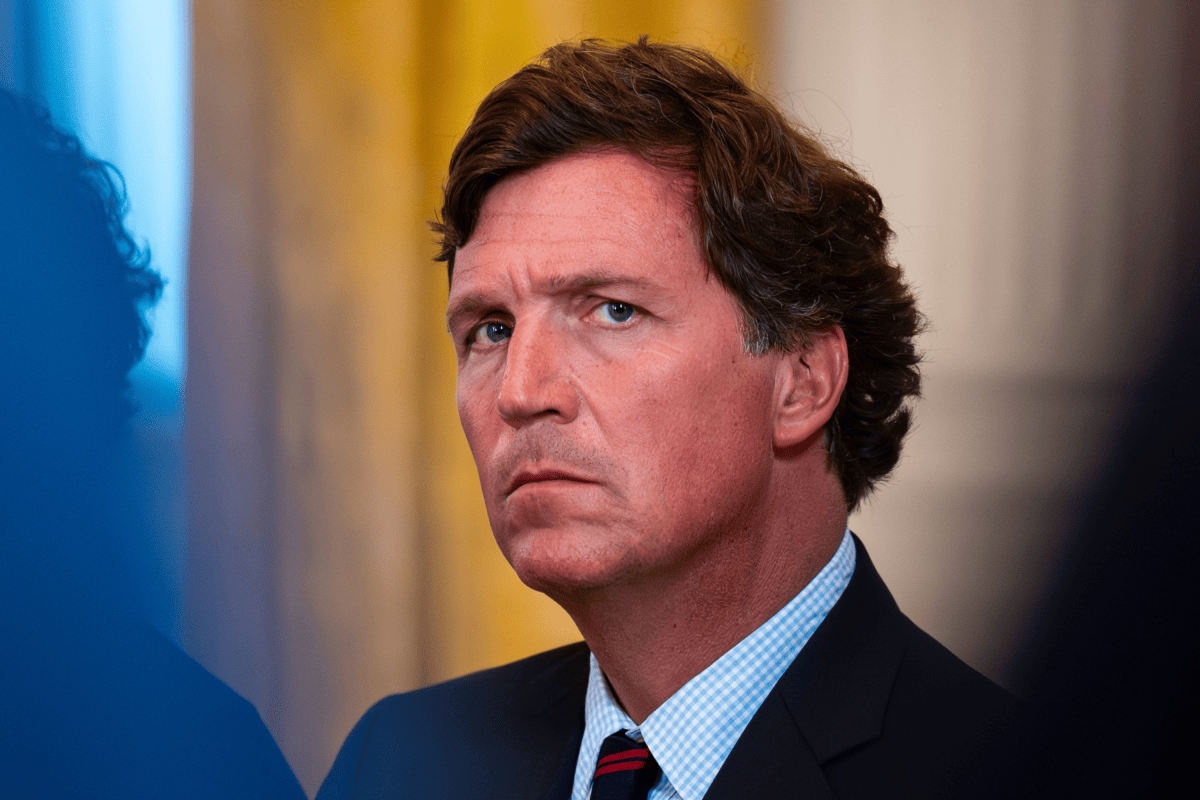
Tucker Carlson sparked a conservative backlash after arguing in an interview released Friday that Britain’s decision to fight Nazi Germany was not a good idea.
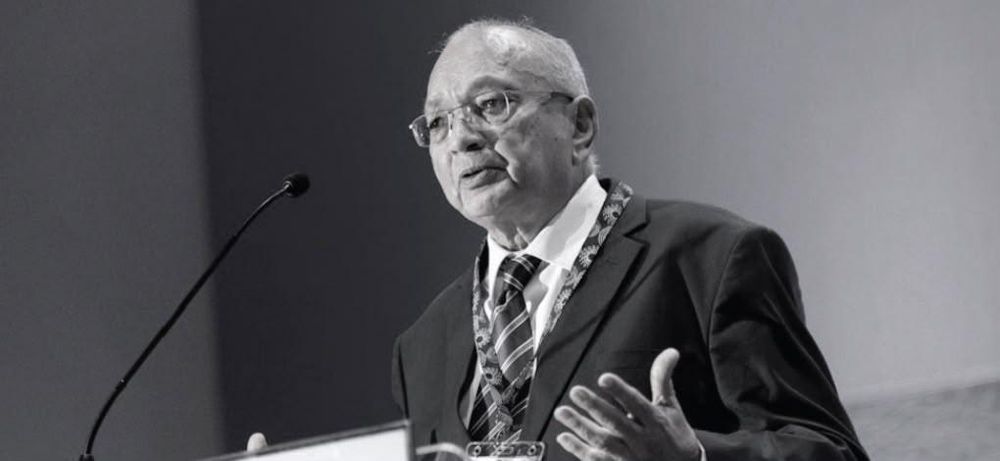
Carlson made the remarks while questioning former British lawmaker Sir Jacob Rees-Mogg about whether Britain should prepare for a possible conflict with Russia as part of a wide-ranging conversation that lasted over an hour.
Their exchange, which was posted to Carlson’s X account, moved from today’s security risks to the value of Britain entering World War II.
The host disputed any characterization that he was excusing Hitler, stating: “I’m certainly not here defending Hitler.”
Newsweek contacted Carlson via his Tucker Carlson Network and Rees-Mogg via WhatsApp for further comment on Saturday morning.
Carlson’s challenge to one of the West’s strongest historical consensuses drew public rebukes from prominent figures on the American right.
The row places Carlson and his audience inside a larger argument over military intervention, national interest and the price countries pay for war.
The verbal confrontation began when Rees-Mogg said innocent deaths were difficult to avoid during World War II.
Carlson answered: “I never understood why fight the Second World War in the first place.”
Pressed on Hitler’s expansionism, Carlson cited German territorial losses following the Treaty of Versailles and described that history as the basis offered for the invasion of Poland.
“I’m certainly not here defending Hitler,” he said before disputing the idea that Nazi forces had “randomly rolled into Poland.”
Carlson then argued that the conflict ruined Britain’s imperial power while producing no clear national gain for its citizens.
Rees-Mogg countered that defeating Nazism was “the classic good versus evil” and preserved the country from German rule.
That answer did not persuade his interviewer. Asked to accept that Britons might otherwise speak German, Carlson replied: “Who cares?”
The discussion became personal when he invoked families who sent their children to fight.
A war paid for with citizens’ lives, he argued, should leave those people demonstrably better off.
Rees-Mogg rejected the economic test, saying Britain retained its self-respect by overcoming “the greatest evil the world has known.”
The most prominent objections came from Republicans who share little political ground with the left-wing critics frequently opposed by Carlson.
U.S. Ambassador Mike Huckabee accused him of suggesting Britain should have allowed a Nazi takeover, writing: “Forget that Hitler murdered 11 million people?” He added that the commentator “needs help.”
And former British member of the European Parliament Lance Forman, who is Jewish, wrote beneath Huckabee’s post: “I think he is beyond help.”
Texas Senator Ted Cruz offered a shorter verdict: “Yes, Tucker, the UK is better off for winning WWII. America is better off for winning WWII. And the world would be much worse off if the Nazis had won WWII.”
British commentator and former head of lifestyle economics at the Institute of Economic Affairs Christopher Snowdon focused on a contradiction he saw in Carlson’s wider sovereignty argument.
Snowdon wrote that foreign troops supposedly negate nationhood unless they are Nazis occupying a conquered country, “in which case it doesn’t really matter.”
Conservative TV personality Meghan McCain also weighed in, writing on X: "Please parody this exact conversation SNL. This poor British man is being subjected to one of the all time dumbest conversations that has ever been filmed in the history of the camera."
Carlson did not endorse Nazi ideology in the exchange, but he plainly argued Britain made the wrong choice by entering the conflict and treated the prospect of German domination as insufficient justification for the sacrifice.
The criticism was not that he openly praised Hitler; it was that his opposition to Britain entering the war challenged the view, held by many conservatives, that stopping Nazi conquest was a moral necessity.
Carlson’s challenge also reflected the noninterventionist principle running through the interview: governments should prove that wars materially serve their own people before demanding lives in return.
Rees-Mogg drew the boundary elsewhere, arguing that confronting an expansionist dictatorship was itself the benefit.
Their disagreement left one question at the heart of the backlash: whether national survival can be judged only by the country that emerges afterward, or also by the future it prevented.
The lengthy interview began with Britain’s support for Ukraine and Rees-Mogg’s argument that military preparedness deters aggression.
“We’re not picking a fight with Russia. We just want to be strong,” he said, while Carlson warned that the West was risking a nuclear confrontation it could not control.
Their exchanges also covered the atomic bombings of Hiroshima and Nagasaki, which Rees-Mogg called “unquestionably justified,” as well as NATO, immigration and free speech.
On the latter subject, they found some common ground, with Rees-Mogg saying Britain was “attacking freedom of speech” and that people should be free to express pro-Russian views, even if they were ridiculed.
Newsweek’s reporters and editors used Martyn, our AI assistant, to produce this story. Learn more about Martyn here.
Contact Newsweek editor on this story: Edward Pearcey.