Trump pushes $2.8bn Israel weapons deal for bombs once halted over Gaza fears
The Trump administration is preparing to supply heavy 2,000-pound munitions to Israel under a pending international military agreement, delivering weapons that were previously placed on hold by the Biden administration two years ago over grave concerns regarding the broad possibility of mass civilian casualties in Gaza.
The proposed $2.8 billion agreement includes 40,000 munitions, split evenly between 20,000 Mk84s and 20,000 BLU-117s, according to two U.S. officials and a source familiar with the arrangement. They spoke on Tuesday under condition of anonymity to detail the transaction, which has not yet been finalized.
They have already provided informal notification of the pending arms deal to Congress. Most of the purchase price will be covered through foreign military financing, a framework in which American taxpayers fund defense grants that Israel then uses to buy heavy weapons directly from United States defense contractors.
This intended transfer represents the latest effort by the Trump administration to bolster the overall operational capabilities of the Israeli armed forces. The ongoing war has killed tens of thousands of Palestinians and left large portions of Gaza destroyed, while sporadic violence persists despite a fragile U.S.-brokered ceasefire.
Initially reported by The Washington Post, the new weapons package comes as Israel experiences growing diplomatic isolation globally, linked to its military campaign in Gaza that began after the deadly Hamas-led attacks on Oct. 7, 2023.
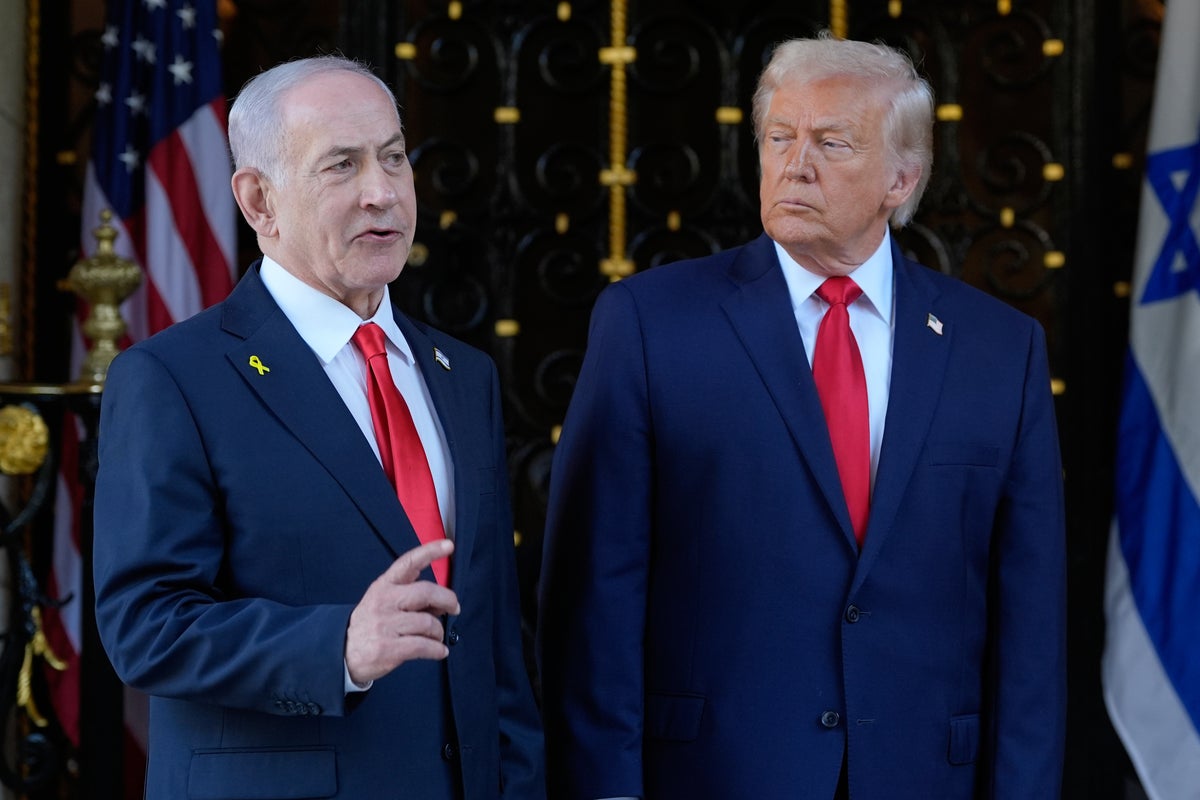
The deal indicates that persistent diplomatic tensions between President Donald Trump and Israeli Prime Minister Benjamin Netanyahu have not damaged the strategic partnership between their two countries, even after both nations initiated a joint war against Iran in February.
Trump has experienced a turbulent history with Netanyahu over time, having expressed discontent with the Israeli leader regarding Iran policy prior to their latest formal meeting at the White House in July.
Ceasefire monitoring efforts remain active as observers closely track progress on President Donald Trump’s 20-point plan, an initiative designed to end Hamas control in Gaza, facilitate hostage returns, and direct the eventual reconstruction of the shattered enclave following months of devastating war across the region.
While the Biden administration had halted a specific shipment of heavy bombs in 2024 over potential casualties, Trump moved to remove those restrictions shortly after assuming office for his current term.
Last year, the Trump administration bypassed standard congressional review mechanisms to approve a separate $3 billion arms deal for Israel containing over 35,500 of the heavy bombs, followed by another series of military sales totaling $6.67 billion approved in January.
The 2,000-pound bombs featured in the upcoming deal come in various technical configurations; some are specifically built to penetrate deep underground structures, whereas others detonate at surface level to cause widespread and heavy blast destruction.
Although Israel’s military rarely details the specific weapon types used in Gaza, weapons experts examining strike footage and site fragments believe American-made heavy bombs have been used against Hamas underground tunnels, resulting in significant loss of life in densely populated neighborhoods.
Although large-scale combat operations have decreased since the fragile truce took effect in October, Israeli forces have conducted continued strikes in the enclave, including overnight attacks into Tuesday that caused several deaths.
These military actions occurred despite recent discussions in which Jared Kushner, Trump’s son-in-law and Middle East negotiator, urged Netanyahu to reduce military strikes and adhere to the ceasefire agreement.
Israeli military officials maintain that their ongoing strikes are direct defensive responses to repeated ceasefire violations, including shooting attacks launched by Palestinian militants against Israeli troops stationed within the territory.
The initial attack by Hamas on southern Israel in 2023 killed roughly 1,200 people and saw 251 hostages taken. Israel’s subsequent military retaliation has killed more than 73,264 Palestinians in Gaza, including deaths recorded since the ceasefire began, according to official figures from Gaza’s Health Ministry.