Trump Blasts Supreme Court Over Tariff and Birthright Citizenship Rulings - Newsweek
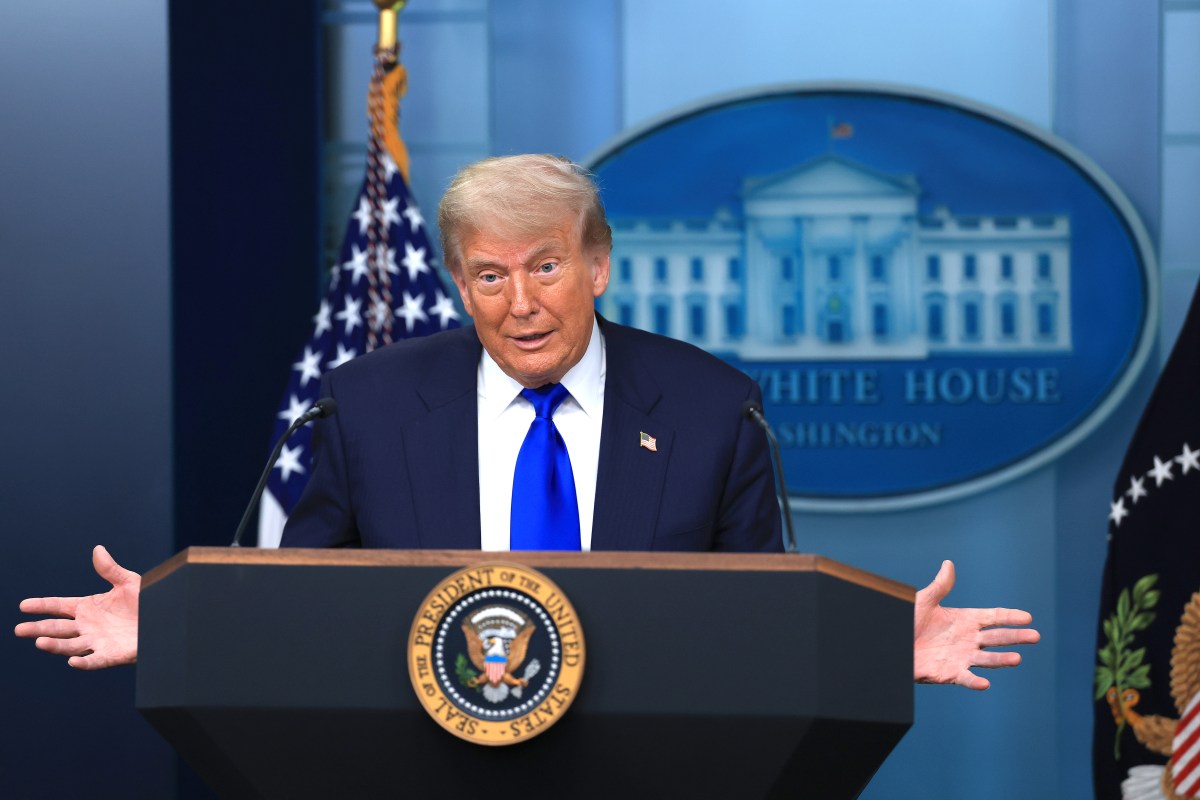
President Donald Trump sharply criticized the U.S. Supreme Court on Saturday, accusing the justices of issuing "faulty, political, and ridiculous decisions" on tariffs and birthright citizenship that he claimed have cost the United States "trillions of dollars." Trump's comments mark his latest public attack on the high court following major defeats on two signature policies of his second term.
In a post on Truth Social, Trump wrote that the Supreme Court had "lacked the Courage to MAKE AMERICA GREAT AGAIN" and argued that its rulings on tariffs and birthright citizenship had damaged the country economically and altered how citizenship is granted in the United States.
"Over the last 6 months, with their faulty, political, and ridiculous decisions on TARIFFS and Birthright Citizenship, they have cost the United States of America Trillions of Dollars, and forever damaged the way people become Citizens of our great Country," Trump wrote.
Trump's criticism revives two legal battles that remain central to his administration's immigration and trade agendas.
Newsweek reached out to the White House for comment on Saturday.
The post targets two of the most consequential legal setbacks of Trump's presidency. In February, the Supreme Court ruled that the International Emergency Economic Powers Act did not give Trump authority to impose sweeping global tariffs, forcing the administration to unwind the policy and issue refunds to importers. The administration later pursued alternative tariff authorities after the court struck down the original duties.
The court also dealt Trump a major setback in June when it upheld a broad interpretation of birthright citizenship and rejected his effort to limit automatic citizenship for many children born in the United States to parents who are unlawfully or temporarily present in the country. The justices relied on longstanding interpretations of the Fourteenth Amendment's Citizenship Clause.
Justice Clarence Thomas dissented, writing that he was not convinced the court's interpretation of the Citizenship Clause would "stand the test of time."
The decisions nevertheless came from a court with a conservative majority that includes three Trump appointees: Neil Gorsuch, Brett Kavanaugh and Amy Coney Barrett.
Trump argued that the rulings had harmed both the economy and immigration policy.
"It has been a sad chapter in the life and times of America, but we will prevail!" he wrote.
The administration continues to pursue other avenues aimed at restricting birthright citizenship and combating what it describes as birth tourism.
Earlier this month, a federal judge blocked enforcement of a new Trump administration order seeking to restrict birthright citizenship, ruling that the government could not deny citizenship to a class of children whom the Supreme Court had already determined are citizens at birth. According to the ruling, the Supreme Court's decision established that children born in the United States to parents who are unlawfully or temporarily present in the country are protected by the Fourteenth Amendment.
In her ruling, U.S. District Judge Deborah Boardman wrote: "The Supreme Court has spoken: Children in the certified class are 'citizens at birth.' ... The President must follow it."
The Supreme Court's June ruling was authored by Chief Justice John Roberts, who wrote that birthright citizenship extends to "every free-born person in this land" and concluded: "We keep that promise today."
The administration has also issued separate directives aimed at preventing foreign nationals from traveling to the United States primarily to give birth and secure citizenship for their children, a strategy officials have emphasized after the Supreme Court defeat.
Trump and his allies have shown little sign of abandoning the issue since the court's June decision. In recent weeks, the administration unveiled new executive orders targeting birth tourism and other categories it argues fall outside traditional birthright citizenship protections, while conservative activists have discussed ways to keep the debate alive through future litigation, legislation and judicial nominations, including efforts to shape future judicial candidates.
Trump's comments do not announce any new legal action or policy initiative, but they show his continued frustration with rulings that curtailed two of his highest-profile initiatives. While the administration has sought alternative legal pathways on both tariffs and immigration, the Supreme Court's decisions remain major constraints on the president's agenda.
The White House has not immediately indicated whether Trump is seeking additional legislative or legal remedies in response to either ruling.