Trump Blames Ukraine for Gas Prices: Where Diesel Costs Are Highest - Newsweek
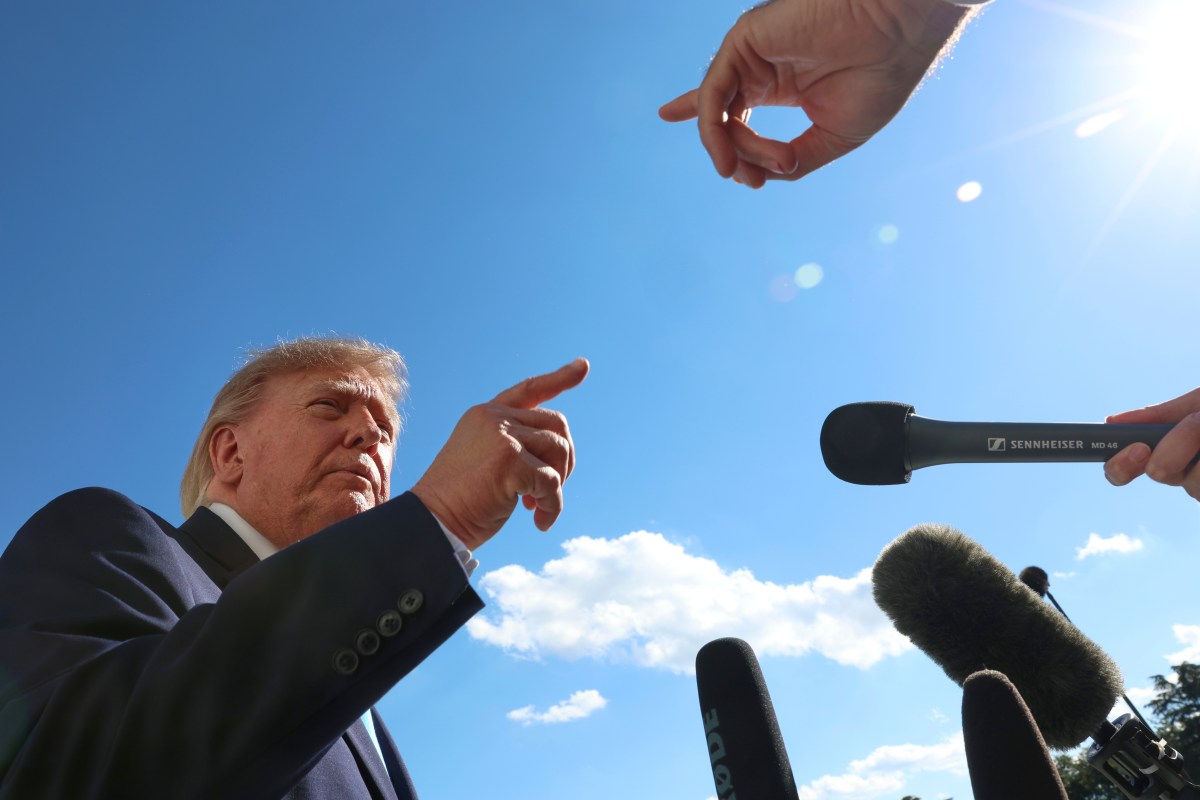
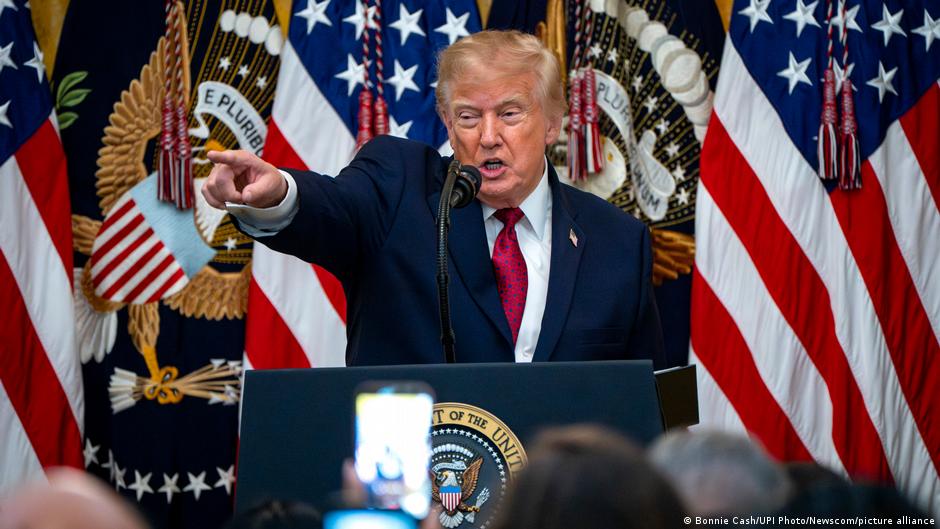
President Donald Trump on Monday blamed Ukrainian attacks on Russian oil facilities and refinery closures in Democratic-led states for rising fuel costs in the United States, arguing that refinery disruptions, not turmoil in the Middle East, are now the main factor pushing prices higher.
Hours later, Trump signed an executive order aimed at lowering diesel prices, temporarily allowing the use of tax-exempt dyed diesel on highways and deferring federal diesel taxes on that fuel through the end of the year.
In a Truth Social post, Trump said the Strait of Hormuz was no longer the primary driver of gasoline prices because "Record Numbers of Barrels" of oil are reaching global markets. Instead, he pointed to the loss of refining capacity abroad and at home.
"What's driving up Gasoline is no longer the Strait of Hormuz, because Record Numbers of Barrels are coming out now on an almost daily basis, but the word 'Refineries,' where Ukraine is blowing up Russia's, and where ours are being closed up, in Blue States, like California, by the Dumocrats," Trump wrote.
The comments come amid mounting concern over fuel costs ahead of November's midterm elections, with diesel prices attracting particular scrutiny because of their impact on farmers, truckers, manufacturers and supply chains.
Trump signed the executive order during a campaign stop in Nebraska Monday evening after his administration spent weeks weighing options to address rising diesel prices.
According to a White House fact sheet, the order temporarily allows off-road "dyed" diesel to be used on highways and defers the associated federal excise tax through the end of the year without interest or penalties.
The White House said the administration is also exploring ways to eliminate the obligation to repay those deferred taxes and expand access to dyed diesel supplies for farmers, truckers and other users.
Administration officials said the measure is intended to provide temporary relief while diesel supplies remain constrained, with the White House claiming truckers could save more than $100 per refill under the policy.
Speaking in Nebraska, Trump repeatedly linked elevated diesel prices to refinery disruptions in Russia and refinery closures in some Democratic-led states.
"The word refinery is where Russia is losing a lot of refineries because of Ukraine. That has to do with a lot of the diesel that you see," Trump told supporters.
The White House has faced pressure from agricultural groups and Republican lawmakers to address soaring diesel prices. While Trump had previously floated the possibility of a diesel export ban, he ruled that option out last week after European countries agreed to release fuel from emergency reserves.
Some analysts say tax relief could provide short-term savings. Patrick De Haan, head of petroleum analysis at GasBuddy, recently estimated expanded access to dyed diesel could save some on-road users around 60 cents per gallon. Others argue taxes are not the core problem and that tightening supplies remain the bigger driver of prices.
Trump also invited aide Natalie Harp onto the stage as he prepared to sign the executive order.
"I'd like to ask Natalie Harp to come out. Natalie, come out. Bring it out," Trump told supporters.
After Harp handed him the document, Trump joked that the exchange resembled a television game show and praised her as "this perfect person."
"She reminds me like The Price Is Right. Thank you, Natalie. Come on. This perfect person comes up, hands it, walks off. We should go on television with this show, right?" Trump said.
Trump then signed the order as supporters chanted his name, telling the crowd he was about to do "what Joe Biden couldn't do" before putting his signature on the document.
AAA data shows diesel prices remain elevated across much of the country, particularly in the West.
California recorded the highest diesel price in the nation at $8.3583 per gallon, followed by Washington ($7.3262) and Hawaii ($7.1552).
The other states in the top 10 were Oregon ($6.7972), Nevada ($6.7647), Indiana ($6.7452), Illinois ($6.6819), Michigan ($6.6162), Alaska ($6.5810) and Pennsylvania ($6.5574). Several states on AAA's list are also battlegrounds in the fight for Senate control.
Two of those states, Michigan and Pennsylvania, are home to highly competitive Senate contests that could help decide control of the chamber after the midterm elections.
California's position at the top of the list is notable given Trump's criticism of refinery closures in the state. Analysts have warned that recent shutdowns have reduced California's refining capacity and contributed to tighter regional fuel supplies.
Diesel prices often receive less public attention than gasoline prices, but they can have widespread economic consequences. Higher diesel costs increase transportation expenses for trucks moving goods across the country and can raise costs for farming, construction and manufacturing operations.
Trump's assessment differs from those who continue to point to broader global energy disruptions linked to the conflicts involving Iran and Russia.
Although some market analysts agree that Ukrainian strikes on Russian refineries have contributed to higher diesel prices, many argue they are only one piece of a larger picture that includes disruptions to global oil flows and tighter inventories.
The White House made a similar argument Monday while announcing the executive order, saying restricted diesel supplies have been driven by the Russia-Ukraine war and a lack of refining capacity around the world, including refinery closures in some Democratic-led states.
Ukraine has repeatedly targeted Russian energy infrastructure during the war, claiming recent attacks have damaged a substantial portion of the country's refining capacity. The International Energy Agency has previously reported declines in Russian refinery throughput and diesel production as attacks intensified.
At the same time, tensions surrounding the Strait of Hormuz remain a focus for energy markets. The waterway has historically been one of the world's most important oil shipping routes, and concerns about disruptions there helped fuel earlier price increases.
The Group of Seven nations last week agreed to release 100 million barrels of crude oil and diesel from emergency stockpiles in an effort to stabilize markets.
With fuel prices still a major concern for voters, Trump has increasingly sought to tie higher costs to Democratic energy policies and Ukraine's attacks on Russian refineries, while critics continue to point to broader geopolitical tensions and the administration's handling of global energy disruptions.
Newsweek’s reporters and editors used Martyn, our AI assistant, to produce this story. Learn more about Martyn here.
Contact Newsweek editors on this story: Samantha Beech, Gray R. Thomas and Edward T. Cummins