The ‘Super El Nino’ is upon us. What does that mean for Ontario’s fall colours? - Toronto Star
The phenomenon is expected to bring a warmer-than-normal fall to Ontario.
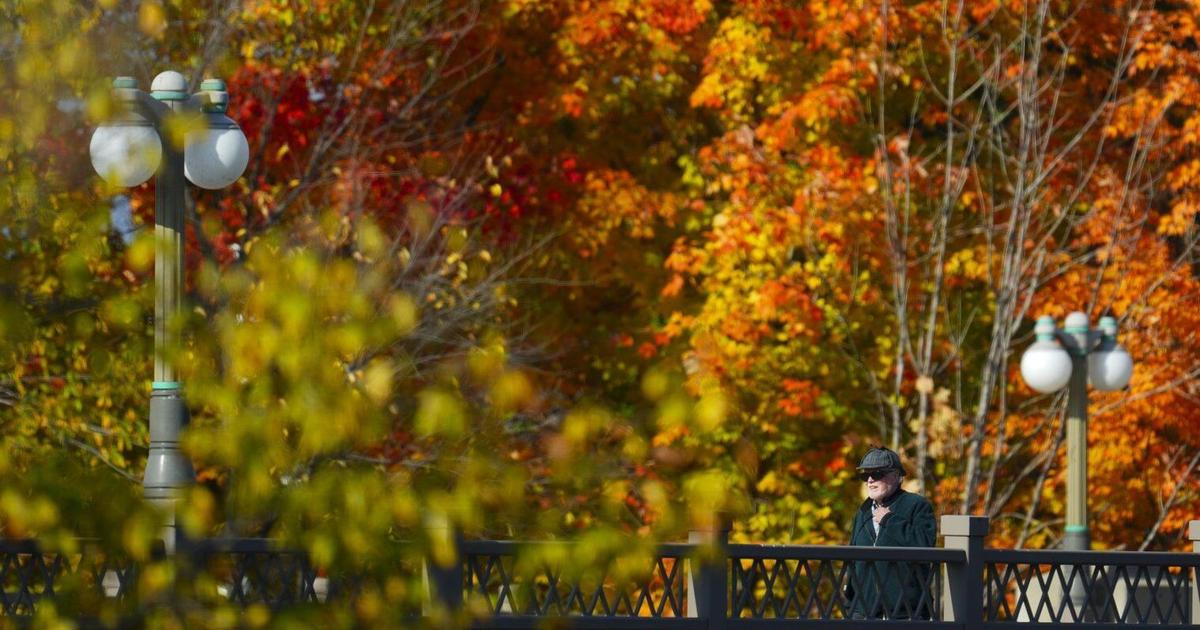
A pedestrian walks over the Rideau River under a canopy of fall coloured leaves in Ottawa on Wednesday, Oct. 18, 2023.
What’s expected to be the strongest El Nino on record may delay Ontario’s stunning fall foliage, but experts say there’s no reason to worry – the colour show will go on.
Dubbed by scientists as the “Super El Nino,” the climate pattern is already disrupting global weather with drought striking some parts of the planet, and floods and storms ravaging others.
The phenomenon is expected to bring a warmer-than-normal fall to Ontario and possibly prolong the season’s colour progression.
Experts say the trees will still give Ontarians a show, but they need to be patient and wait for the vibrant mosaic of orange, red and yellow pigments to start appearing in the leaves.
“It’s cold nights or cooler nights that cue the big change in colour, and so that may be a little delayed in some places because of the warmer El Nino weather, or it may mean that there’s just a longer period during which the (leaf) colour changes,” said Susan Dudley, a biology professor at McMaster University in Hamilton.
The hues were duller last fall as the leaves browned before they could change colour due to limited rainfall and hotter-than-normal summer weather that year, Dudley said.
But trees haven’t been as stressed this past summer, she said. “Trees around here, anyway, are keeping their leaves. They’re just starting to turn colours.”
Leaves get their typical green colour from chlorophyll, which helps plants absorb light as part of a process called photosynthesis. The yellow and orange pigments that exist in the leaf become visible in the fall when trees withdraw nutrients from the leaves into their trunks, branches and roots before shedding them, Dudley said. The next step in the process brings red and bright purple hues, thanks to pigments called anthocyanins that help protect plants against ultraviolet light.
“The red colour that we are really inspired by is actually the tree giving itself sunscreen as it takes away the chlorophyll molecules and the resources in chlorophyll,” Dudley said.
The strongest colouration is triggered by the combination of brighter daylight and cooler temperatures, Dudley added.
Since El Nino leads to warmer days, Dudley said the foliage this fall might be “slightly duller” because trees don’t need as much anthocyanins to protect themselves.
Ontario’s fall colours are particularly breathtaking because the province is home to a variety of woody plants, including maple trees, and has enough daylight on cold fall days, experts said.
“It is … just like a painting out there, and we don’t see this in other parts of the world,” said David Phillips, a climatologist with Environment and Climate Change Canada.
Phillips said while the amount of rainfall varied across the province, the trees generally got enough precipitation over the summer. Even though the temperature was warmer than normal, it wasn’t “excoriatingly” warm, he said.
That is the right mix for the trees to remain healthy and produce vibrant foliage, Phillips said.
El Nino’s warmer weather also gives fall admirers an opportunity to go out and view the gorgeous colours without shivering outside, he added.
“The trees are going to co-operate and they’re going to give their beauty and we’re going to be able to enjoy it,” he said. “Doesn’t matter whether you go to the Muskokas or to your backyard or your park area, you’re going see these brilliant colours because the viewing weather is going to be good.”
The fall colours come in different phases, starting from the north, then moving into the Muskoka area, and finally arriving in central Ontario and the Greater Toronto Area, he said.
Algonquin Provincial Park is already blazing. The park said in its latest fall colour report that sugar and red maples are showing off the season’s best foliage at the canopy level.
The normal window for fall foliage spans from mid-September to late October in Ontario, but Phillips said it has been pushed back by a few weeks this season due to El Nino.
Remnants of hurricanes originating from the Atlantic Ocean often bring heavy rainfall, clouds and powerful winds to Ontario during late summer and early fall, causing the trees to either lose or brown their leaves.
The good news is that El Nino has significantly reduced Atlantic hurricanes this year, Phillips said.
“All we need now is a little bit of time and we’ll be rewarded with this thing that we always look forward to.”
This report by The Canadian Press was first published Sept. 30, 2026.