The 2028 implications of Michigan’s Senate race: From the Politics Desk
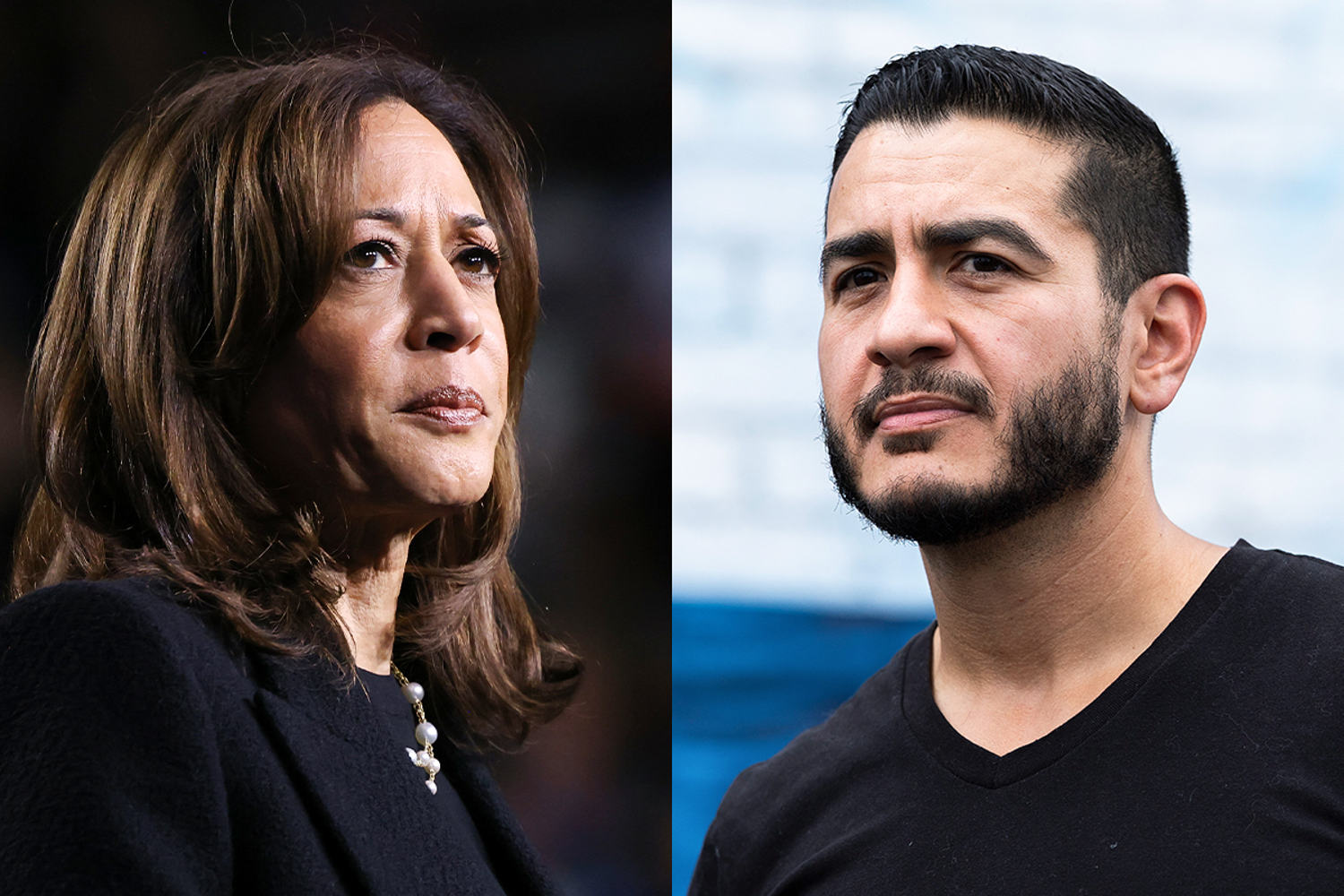
Former Vice President Kamala Harris campaigned for Michigan Democratic Senate nominee Abdul El-Sayed this week.Getty Images fileShareAdd NBC News to GoogleSept. 24, 2026, 5:00 PM EDTBy The Politics DeskWelcome to From the Politics Desk, a daily newsletter that brings you the NBC News Politics team’s latest reporting and analysis from the White House, Capitol Hill and the campaign trail.
In today’s edition, Jonathan Allen explains why Democrats with presidential aspirations will be paying close attention to the outcome of the Michigan Senate election. Plus, Alexandra Marquez identifies an issue that has united candidates in both parties in tight races.
Potential Democratic presidential hopefuls are starting to make sure they find their way to Michigan to campaign for Senate nominee Abdul El-Sayed.
Former Vice President Kamala Harris was there this week. Former Transportation Secretary Pete Buttigieg, a former South Bend, Indiana, mayor who now lives in Michigan, appeared with El-Sayed in August. And Sen. Mark Kelly, D-Ariz., has said he’ll be on the trail next month with El-Sayed, a darling of the left wing of the party.
It’s less about him than it is about them. That’s because El-Sayed presents a bit of a two-fer in the endorsement game: 2028 contenders can cozy up to the left and advance the party’s goal of retaking the Senate. Whether El-Sayed wins or loses, those who campaigned with him will surely take credit for both the former and the latter come presidential primary season.
The other thing that is as certain as death and taxes is that El-Sayed’s performance against Republican Mike Rogers this fall will be treated within Democratic circles as a sign of whether to sprint left or hit the brakes in 2028. After all, Michigan is a crucial swing state, and, if El-Sayed wins, progressives will argue that they have proven a Bernie Sanders acolyte can capture the presidency. He might not even have to win for that case to be made.
On the other hand, more mainstream Democrats would take a defeat — flipping a Democratic seat into Republican hands — as a proof point that voters in battleground states aren’t willing to swing too far left.
There’s some recent history here. In 2018, the waiting-in-the-wings class of 2020 Democratic hopefuls read anti-Donald Trump enthusiasm and primary victories by upstart progressives as clarion calls to race to the left. Some of them signed up for Sanders’ “Medicare for All” legislation.
In the end, though, Joe Biden — who resisted “Medicare for All” and pleas to defund the police — won both the Democratic nomination and the presidency.
Did he prove a progressive couldn’t become president? Of course not. But Democratic voters were concerned, after four years of Trump, that they might blow the 2020 election by nominating a more liberal candidate. It’s not yet clear whether they will feel the same way in 2028.
But potential Democratic presidential candidates and their aides will keep a close watch on El-Sayed’s performance — even when they’re not campaigning with him — as they try to gauge how to position themselves best for the primary and the general election.
Amid a knock-down, drag-out fight for control of Congress, one issue is dominating advertising and transcending partisan divides, instead pitting challengers against incumbents: Everyone is running against members of Congress trading stocks.
At least one TV or digital ad mentioning the issue has run in the last month in nearly every competitive race for Congress, according to an analysis of AdImpact data. That includes 18 of the 21 House races rated as “toss-ups” by the nonpartisan Cook Political Report with Amy Walter and all but one Senate race rated as a “toss-up” or “leaning” slightly toward one party.
Members of both parties are campaigning against congressional stock trading, attacking incumbents and alleging they have used their perch in Congress to get rich amid a broader affordability crisis in the U.S.
And unlike some other political issues, it’s just as useful in a battleground district as it is in a deeper red or blue district, as independents and voters from both parties throw up their hands at allegations of government corruption.
In some places, members of Congress are airing ads promoting support for a ban on stock trading while an opponent or super PAC runs ads tallying up trades the incumbent made, according to public financial disclosures.