Social service body says Qld's breach bail laws were made in 'echo chamber' - ABC News & Headlines – Australian Broadcasting Corporation
Aimee McVeigh said the laws have been developed inside an "echo chamber". (AAP: Jono Searle)
Queensland Council of Social Services (QCOSS) has accused the state government of making laws in an "echo chamber".
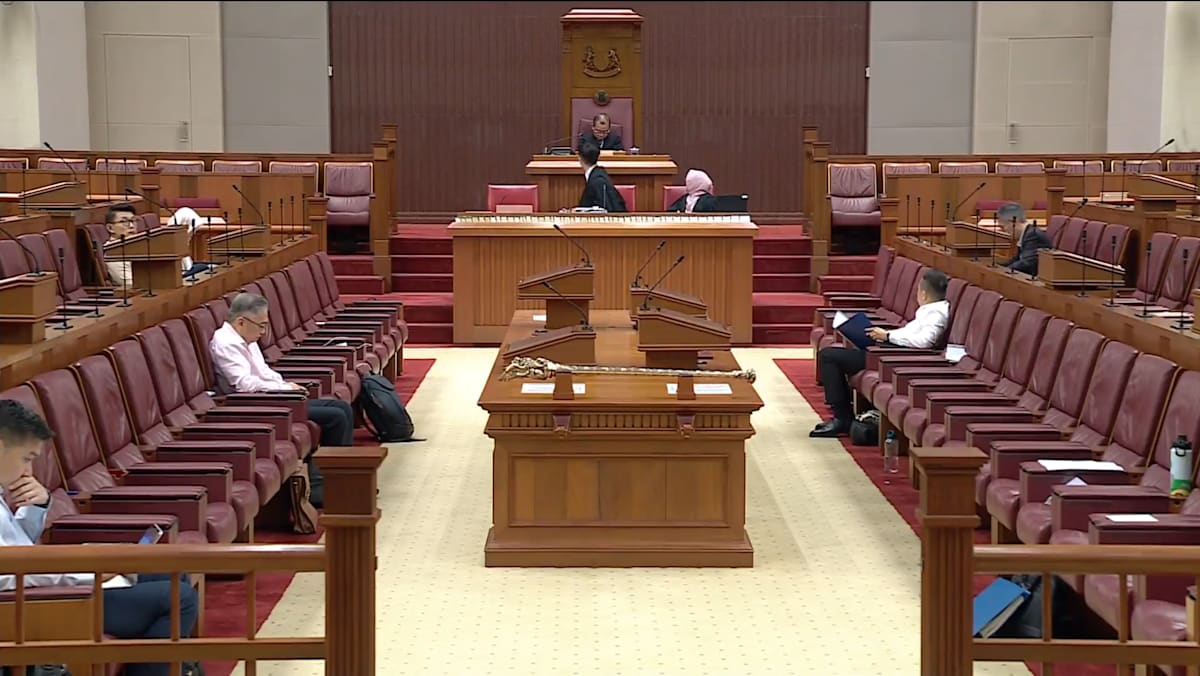
The LNP's latest measure to curb crime, breach bail, go to jail, is being examined by a parliamentary committee.
CEO Aimee McVeigh said QCOSS and other community organisations were not called to appear.
Queensland's peak social service body has accused the state government of making laws in an "echo chamber".
The LNP administration's latest measure to curb crime, breach bail, go to jail, is being examined by a parliamentary committee.
The policy proposes that adults and children who commit serious crimes while on bail face a mandatory 12 months behind bars.
The committee today heard evidence from experts on the impact of the legislation.
But the Queensland Council of Social Services (QCOSS) and other community organisations were not called to appear.
Chief executive Aimee McVeigh was scathing in her assessment of the exclusion.
"The approach that's being taken is the development of law inside an echo chamber," she said.
"We won't have robust laws and policies made without hearing diverse voices.
"We are working together with some of the most vulnerable people in the community, and so our voices are really important, and we have an important contribution to make to public policy."
The criticism comes after the government was last month accused of gagging frontline community organisations, for fear of losing state funding.
The parliamentary committee heard from groups including victims' advocates and legal experts.
Commissioner of the Queensland Family and Child Commission, Luke Twyford, also fronted the hearing, backing the core aim of breach bail, go to jail, in increasing community safety.
Queensland Family and Child Commission principal commissioner Luke Twyford. (ABC News: Lucas Hill)
But he noted the key way to achieve that was through changing behaviour.
"I don't believe we can punish our way to behaviour change. We actually need interventions," he said.
"What is going on for them [children] that they are engaging in repeat behaviour?
The government consistently said it's been responding to what the community wants in the next step of its hardline youth justice approach.
Attorney-General Deb Frecklington said on Friday she was open to change on the legislation but would not be deterred from improving community safety.
"Now adult crime, adult time may seem tough to some, but it's working. Now we know that there is a lot more work to do, but we've seen those breaches.
"The independent data is telling us that crime is gradually going down, and that is what we need to see more of."
Deb Frecklington said she was open to change on the legislation. (ABC News: Luke Bowden)
Also fronting the committee was Queensland Human Rights Commissioner Debbie Platz, who raised concerns about the long term effect of the proposed laws.
"The available evidence suggests that the proposed breach bail offence and mandatory sentencing scheme will not reduce offending, except for in the short term.
"The evidence suggests greater gains are actually achieved through early intervention, rehabilitation and diversion."
The parliamentary committee will hold several regional hearings before handing its report to the government.
The premier has pledged the policy will be law by the end of the year.