
Smugglers funnel Korea’s HBM to China for Huawei via server chip loophole - Chosunbiz
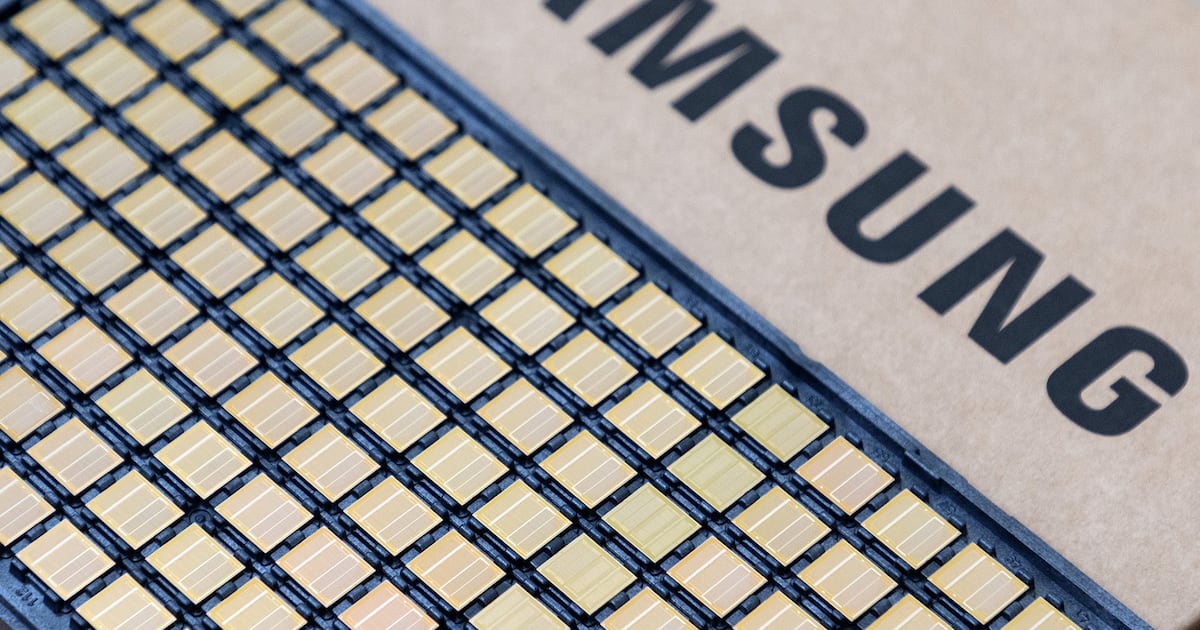
Despite U.S. export controls on China, high-bandwidth memory (HBM) from Samsung Electronics and SK hynix is reportedly flowing into China through smuggling that exploits regulatory loopholes.
According to the tech outlet The Information on the 2nd (local time), smugglers export HBM packaged on a board together with low-cost server processors. They exploit the fact that if the item is classified as a server processor rather than HBM alone, it can avoid export restrictions.
U.S. export rules assess the computing capability of the entire package based on the server processor, not the memory. In China, technicians heat the package to melt the solder, then remove only the HBM and discard the processor. If overheated, the memory stack can warp or crack, resulting in a high failure rate.
The HBM secured in this way is said to be sold mainly to Huawei's client companies. A source in Huawei's supply chain said Huawei recently told some clients that a substantial portion of Samsung Electronics and SK hynix HBM will be installed in the next-generation AI chip "Ascend 960DT."
After Huawei became unable to purchase memory from Korean corporations, it reportedly told some clients to secure the needed memory themselves. HBM is in short supply worldwide, and production in China is minimal. The market shares of Samsung Electronics and SK hynix exceed 80%.
A broker in China in their 20s told The Information, "A year ago, one HBM3E traded in China for hundreds of dollars, but now it trades for about $4,000." An AI chip package requires six to eight HBMs, so the memory alone costs $24,000 to $32,000. A smuggler who had been ordering memory from Korea said the chance of being caught has risen as more operators use the same routes, adding, "Next year, I plan to sell most of the company's equity."


