Senior police officer testifies before court over Ikorodu property - The Guardian Nigeria News
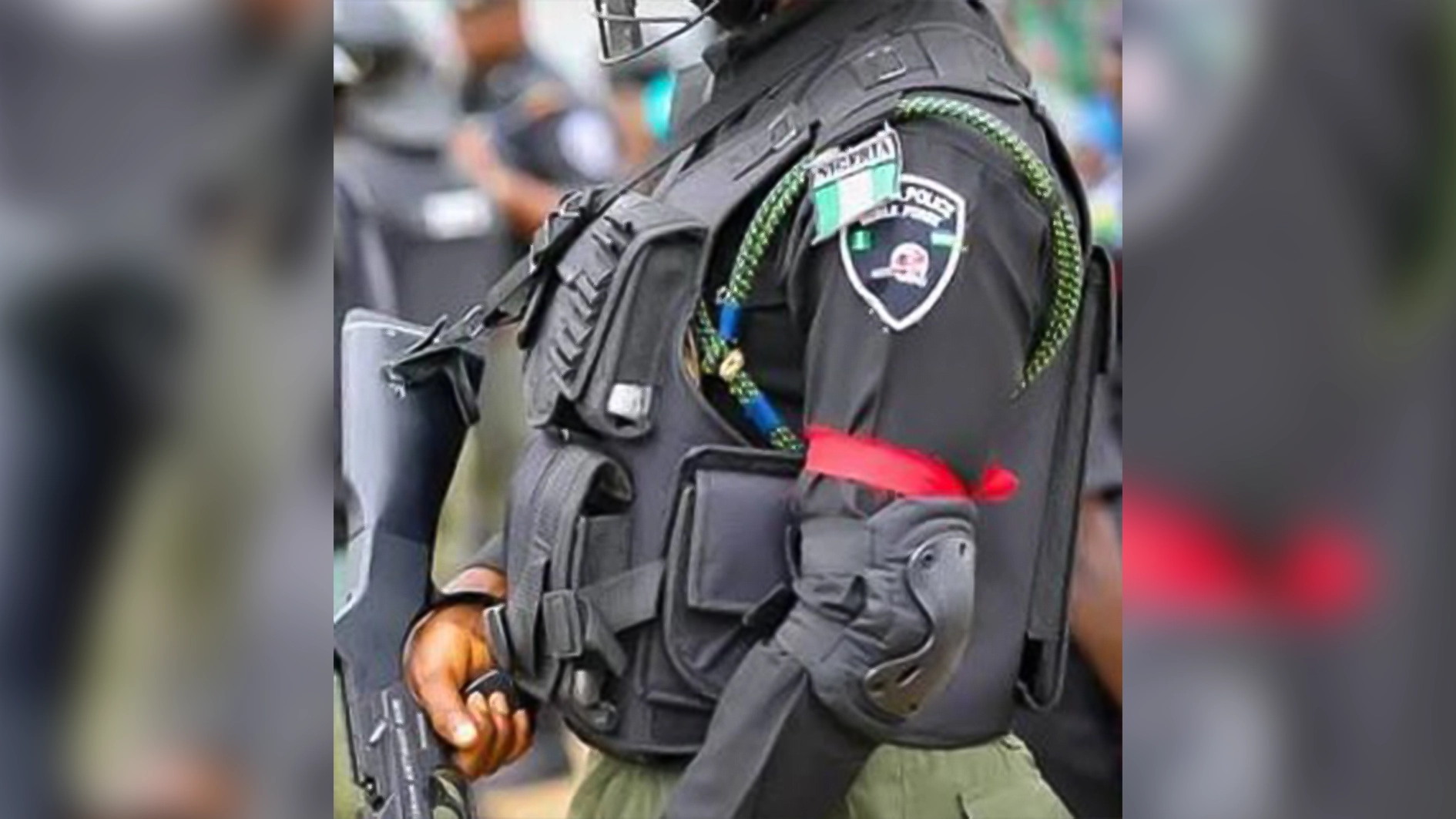
An Assistant Commissioner of Police (ACP), Ngozi Braide, on Monday told the Lagos State High Court sitting in Ikeja how her close friendship with a lawyer, Chinwe Onuoha, allegedly resulted in the occupation and alteration of her residential property in Ikorodu, Lagos State.
Braide gave the testimony before Justice Hakeem Oshodi while being led in evidence by the prosecution counsel, Emmanuel Jackson, in the trial of Onuoha, who is facing a 12-count charge bordering on conspiracy, forgery and uttering of false documents allegedly used to defraud the Bank of Industry (BoI).
The prosecution alleged that Onuoha and other defendants, some of whom are said to be at large, conspired in 2020 to forge a lease agreement purportedly dated February 12, 2018.
The document was allegedly used as part of the documentation to fraudulently secure a loan facility to the detriment of Braide.
Testifying in court, Braide said she met Onuoha in 2011 and that their relationship grew into a close friendship involving their families.
According to her, Onuoha became so close to her family that she frequently visited her home, sometimes stayed for days and, on some occasions, travelled abroad with her and her relatives.
Braide said the events that eventually led to the dispute began in 2019, when Onuoha contacted her early one morning to inform her that she had been arrested and detained at a police station in Ogun State.
She said Onuoha pleaded for her intervention, prompting her to go to the station, where the Divisional Police Officer informed her that the lawyer had been arrested following a complaint by her landlord over an eviction dispute.
The witness said she was told that the landlord alleged that Onuoha had refused to vacate the premises and had damaged some property in the building.
Braide said she pleaded with the DPO to release Onuoha into her custody and subsequently facilitated her bail.
She told the court that when they returned to Onuoha’s residence after her release, she found the lawyer’s belongings scattered outside the premises.
According to her, Onuoha then appealed to her for temporary accommodation, asking to stay in her property in Ikorodu.
Braide said the property was a four-bedroom house with two sitting rooms, built on land she acquired in 2008 after returning from a peacekeeping mission in Liberia.
She said she personally developed the property and, out of compassion and because of their close relationship, agreed to allow Onuoha to stay there for three months while she searched for alternative accommodation.
The ACP said she took Onuoha to the property that same day and contacted members of the family from whom she had bought the land, introducing the lawyer as her sister and asking them to assist her during her stay.
She added that she also paid for the cleaning and preparation of the house before Onuoha moved in.
owever, Braide said what was initially agreed as a three-month stay eventually stretched to six months and later exceeded a year.
She said she did not initially insist that Onuoha leave because of their friendship and because she had no immediate need for the property.
The situation, she said, changed in 2021 when she needed the house for her younger brother and his family, who were relocating from their hometown following insecurity and attacks.
Braide said she contacted Onuoha and asked her to vacate the property to enable her brother and his family to move in.
She told the court that Onuoha eventually left the property, but their relationship became strained and communication between them stopped.
The witness said that in January 2022, shortly after the New Year celebrations, she visited the Ikorodu property with her driver and some community elders to inspect its condition.
“I found workers there, about five people, with their manager by name David,” she told the court.
Braide alleged that the property had been converted into an industrial facility known as “Shearwater Factory,” with internal structures altered, walls and partitions removed, and heavy-duty machines, wires and pipes installed.
She further alleged that some workers were living on the premises and said she was shocked by the extent of the alterations, having not visited the property throughout Onuoha’s occupation.
The ACP said the discovery prompted her to contact Onuoha for an explanation, but her efforts were unsuccessful.
Justice Oshodi adjourned the case until November 10, 2026, for cross-examination of the witness.