Saudi Arabia plans major Yemen offensive against Iran-backed Houthi forces
Want to bookmark your favourite articles and stories to read or reference later? Start your Independent Membership today.
Saudi Arabia is preparing a fresh military campaign targeting Iran-backed Houthi forces in Yemen, according to regional and Western officials.
Strategic options currently under review include a focused coastal drive to protect vital Red Sea shipping routes or a wider assault across multiple fronts.
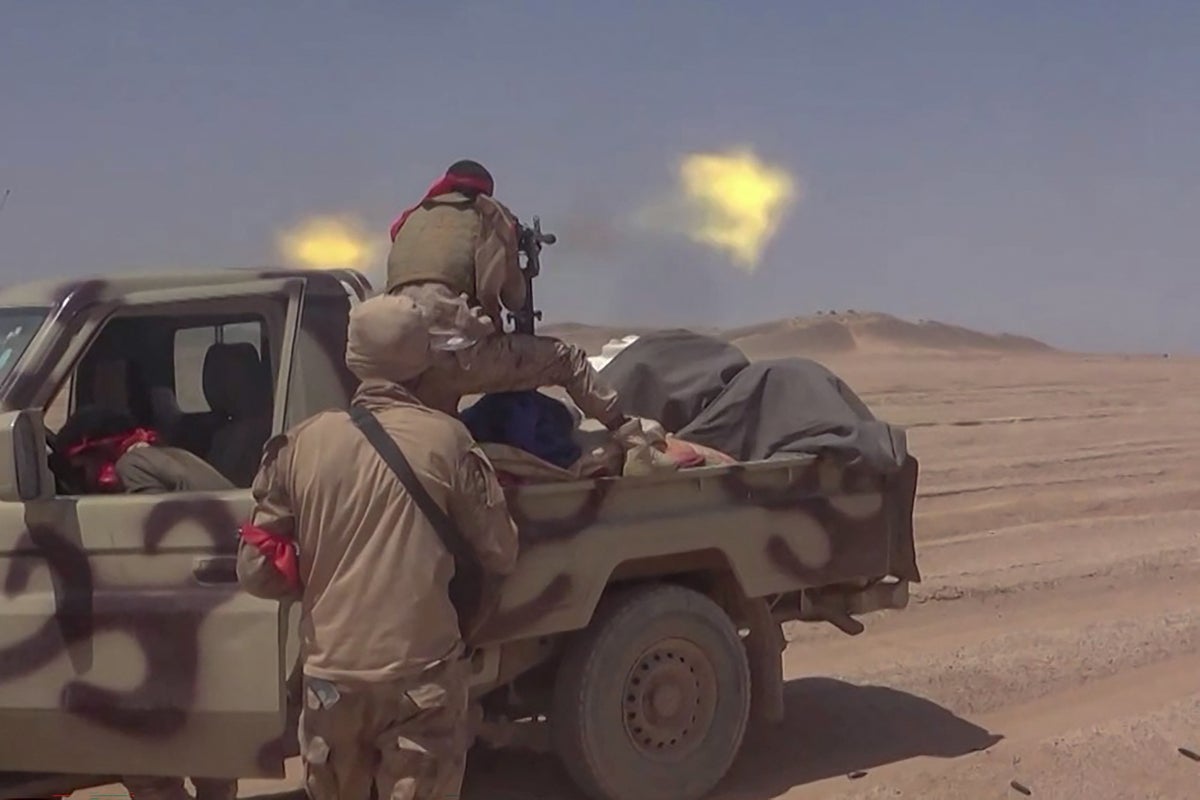
Six sources familiar with the preparations indicated that the operation is scheduled for launch in the coming weeks. The push will be led by Yemeni ground forces overseen by Riyadh, operating with Saudi aerial support.
Foreign allies are not expected to participate directly in combat operations, anonymous sources revealed. However, Washington is already supplying intelligence to assist Riyadh, while a number of European and regional states are offering primarily defensive military support to the kingdom.
Saudi Arabia originally entered Yemen’s civil conflict in 2015 at the head of an Arab coalition to support the internationally recognised government after Houthi fighters drove it out of the capital, Sanaa.
A truce established between the warring sides in 2022 largely held until this year, when Houthi drone and missile strikes targeted Saudi shipping and oil infrastructure in a spillover from the Iran war.
According to Western diplomats alongside Gulf and Yemeni officials, a primary objective of the previously unreported campaign is to reverse recent territorial gains by the Houthis, who advanced down the coast and seized the Bab el-Mandeb strait last month.
Officials said hat two strategies are being evaluated: a targeted offensive focused on the Bab el-Mandeb area, or a broader campaign involving synchronised attacks across the governorates of Al-Bayda, Marib, Taiz and Al-Jawf.
More than 100,000 Yemeni troops could be mobilised in the offensive, depending on the scale, the officials all said.
Spokespeople for the Saudi and Yemeni governments, the Houthi group and the US military didn't immediately respond to requests for comment about the Saudi plans.
Bab el-Mandeb is the southern exit passage of the Red Sea, a key shipping route between the Mediterranean and Asia that's assumed even more importance this year as an alternative to the Strait of Hormuz, which has been effectively closed by the Iran conflict.
Riyadh has concluded it cannot enter new Yemeni peace negotiations with the Houthis while the militants remain in control of Bab el-Mandeb, giving them significant global leverage, the Western diplomats and Gulf official said.
The six people with knowledge of the Saudi preparations couldn't give a precise timing for the launch of the offensive, with their estimates ranging from within a week to until after the US midterm elections in early November.
Michael Ratney, a former US ambassador to Saudi Arabia, said he expected an offensive to be narrowly focused and certainly more modest in scope than the Saudi-led operation in 2015 that sought to rout the militants.
"As much they want to vanquish the Houthis completely, they also need to get back to status quo ante before Houthis controlled territory along Bab el-Mandeb," he added. "Ideally, it would be a fairly limited operation to retake coastal areas and get back to normal maritime traffic."
The Houthis have become Iran's most formidable ally in the Middle East since Israel's degradation of Hezbollah in Lebanon over the past three years.
A Saudi-directed offensive against the group would mark a new flashpoint in a region engulfed by conflict since the Hamas-led attacks on Israel of October 7, 2023 and the subsequent US-Israeli war on Iran.
Washington, Saudi Arabia's most powerful ally, is providing military advisers and intelligence including targeting information to support Saudi air operations in Yemen, according to one of the Western diplomats.
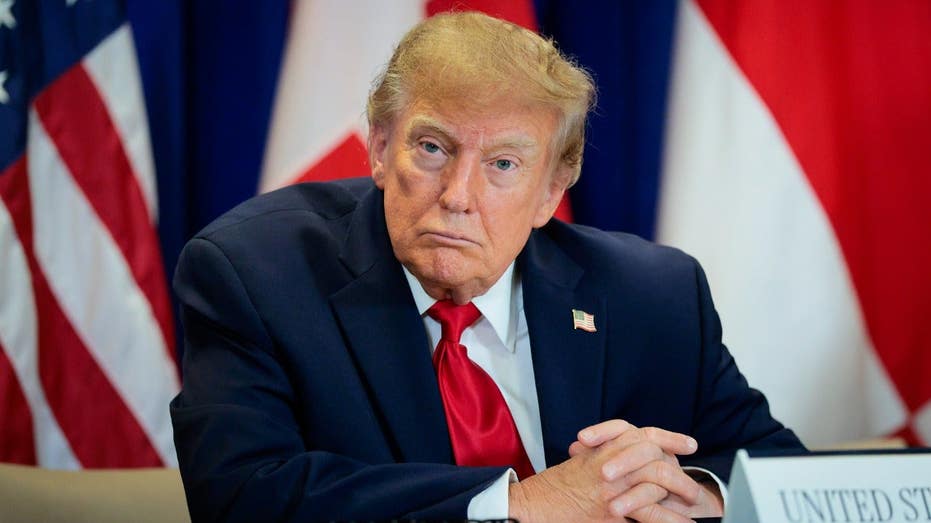
However, the extent of support may be limited. Reuters has previously reported that US President Donald Trump rebuffed requests by the de facto Saudi ruler Mohammed bin Salman for direct military support such as air strikes.
Turkey and Pakistan, with whom Saudi Arabia signed a joint defence agreement last month, have provided military equipment that the kingdom is using in Yemen, Pakistani and regional officials said.
Last month, Pakistan sent four cargo planes with equipment including air defence systems, light artillery, drones and anti-drone systems to Aden, the seat of Yemen's Saudi-backed government, a Pakistani government official said.
Pakistani military advisers are also on the ground with Saudi counterparts to support Yemeni forces, according to a second Pakistani official, the Gulf official and a Western diplomat. Turkish drones, bought by Saudi Arabia before the current war, have also been deployed over Yemen, they added.
One of the kingdom's key concerns in launching a new offensive in Yemen is how to protect its oil facilities and other infrastructure from Houthi drone and missile attacks, according to regional officials who said Riyadh has asked several allies for help with defensive systems.
Pakistan has deployed between 30,000 and 40,000 troops to Saudi Arabia to help defend the kingdom's land borders and help with drone and missile interceptions, according to the second Pakistani official, who said the troops arrived in waves beginning last year but also after the recent escalation. Islamabad hasn't made any decision to send troops into Yemen in a fighting capacity, the official said.
The Pakistani and Turkish defence ministries didn't respond to requests for comment on their military support for Riyadh.
France, meanwhile, has announced it will send defensive systems and troops to Saudi Arabia to help protect the Red Sea port city of Yanbu.
Any ground operation inside Yemen will rely on the disparate coalition of Yemeni fighting factions that Saudi Arabia and the United Arab Emirates armed and trained at earlier stages of the civil war when the conflict ground to a bloody stalemate.
"Many anti-Houthi forces are still not organised or prepared for the kind of sustained offensive required to push back a disciplined Houthi military force. And they are being tested right now, as the Houthis apply pressure across several fronts at once," said Yemen analyst Mohammed Albasha.
Yemeni forces were further fractured last winter when southern fighters backed by the UAE tried to take territory in the east and announce secession plans, leading to their defeat by Saudi-backed fighters after a series of clashes.
Ali Shihabi, a Saudi political analyst close to government thinking, cautioned the outcome of any offensive by the Saudis against the Houthis would depend on how ground forces perform.
"The priority so far has been to defend the positions on the ground and stabilize the front, but certainly they will be going on the offensive," he said. "Success greatly depends on the quality of the performance of the local forces."