Saudi Arabia: Expats leave Riyadh as Houthi strikes persist - Semafor
Increasing numbers of foreign executives are leaving Riyadh as the city continues to suffer Houthi attacks that have forced the closure of the city’s main business district and schools.
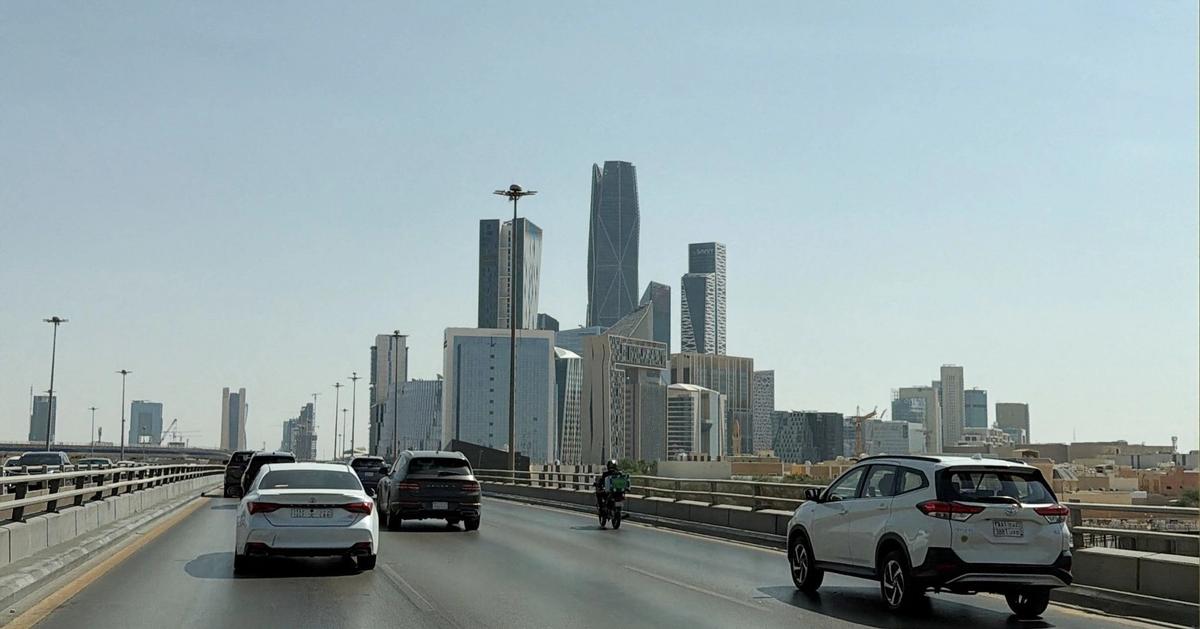
Offices in Riyadh’s King Abdullah Financial District (KAFD) have already been closed for several weeks and some businesses are not expecting it to reopen until next year, according to people familiar with the matter. That was before the Public Investment Fund’s head office in the district was hit on Thursday morning, which is likely to further delay any reopening of the area. As a result, staff are increasingly deciding to work from other countries, Semafor was told.
The destinations vary. Some have headed back to homes in Europe, others have joined families that are based in the UAE and normally only visited on weekends, while another group has upped sticks temporarily to third countries.
“The office is closed and schools are online. There’s no end in sight, so there’s no point in us staying,” said one executive of a Saudi company, who decamped with his family to Thailand because he was at risk of crossing a UK tax threshold if he spent any more time in his home country.
To be sure, the numbers leaving the city are limited and in many ways life carries on as normal. Other parts of the city remain active and business continues as usual in areas so far unaffected by the Houthi attacks. If the security situation improves those that have left are expected to return.
Yet the sense of insecurity is a blow to ambitions to make the Saudi capital a regional business and finance hub. The kingdom had aimed to grow Riyadh’s population to 10 million by 2030, up from 7 million in the 2022 census. A significant portion of that growth was based on a rising number of expatriates moving to the city.
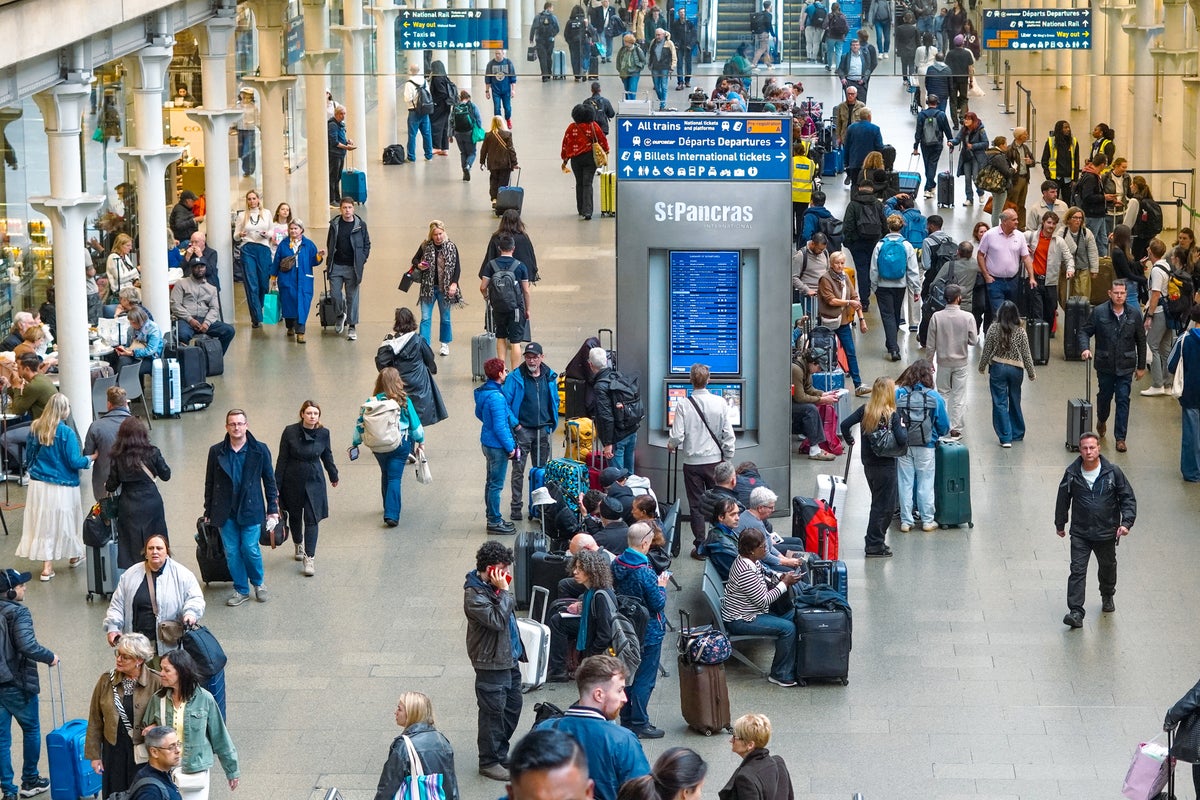
Some staff at Saudi companies had already made the decision to leave several weeks ago after KAFD offices shut and schools shifted to online learning in the wake of the deadly attack on Riyadh airport in early October. Many businesses based in Riyadh’s other tower blocks have also advised staff to work from home until further notice. That has added to the numbers of people who are no longer required to be in the country to continue working. People have been driving to airports in Bahrain or Qatar to fly out.
A recent uptick in attacks on the city, combined with the upcoming Christmas holiday season, is leading more people to decide to move if their jobs do not require them to be in the country. “We were already planning to leave for the holidays in a few weeks, so now we have just bought that forward,” said one executive in Riyadh who planned to drive to Doha. “I really don’t know when we will come back.”
KAFD is now almost deserted. Baristas in the area’s coffee shops, many of which have remained open, say they have had few customers for weeks. The attack on the PIF tower comes just over a week after Aramco’s building in the area was also damaged in a Houthi attack.
The decision by the city’s expatriates to go is a reversal of the situation in the early months of the Iran war, when Riyadh suffered far fewer direct attacks than other Gulf cities and its airspace mostly remained open. That made the city a key channel for people in Bahrain, Kuwait, Qatar, and the UAE to leave the Arabian peninsula.
Saudi Arabian officials foresee the war against Yemen’s Houthis to stretch well into next year, despite setbacks on the battlefield in Yemen and attacks disrupting life at home, according to two Western officials briefed by Saudis on the plans.