Russian Forces Strike Starlink Data Center in Ukraine - Newsweek
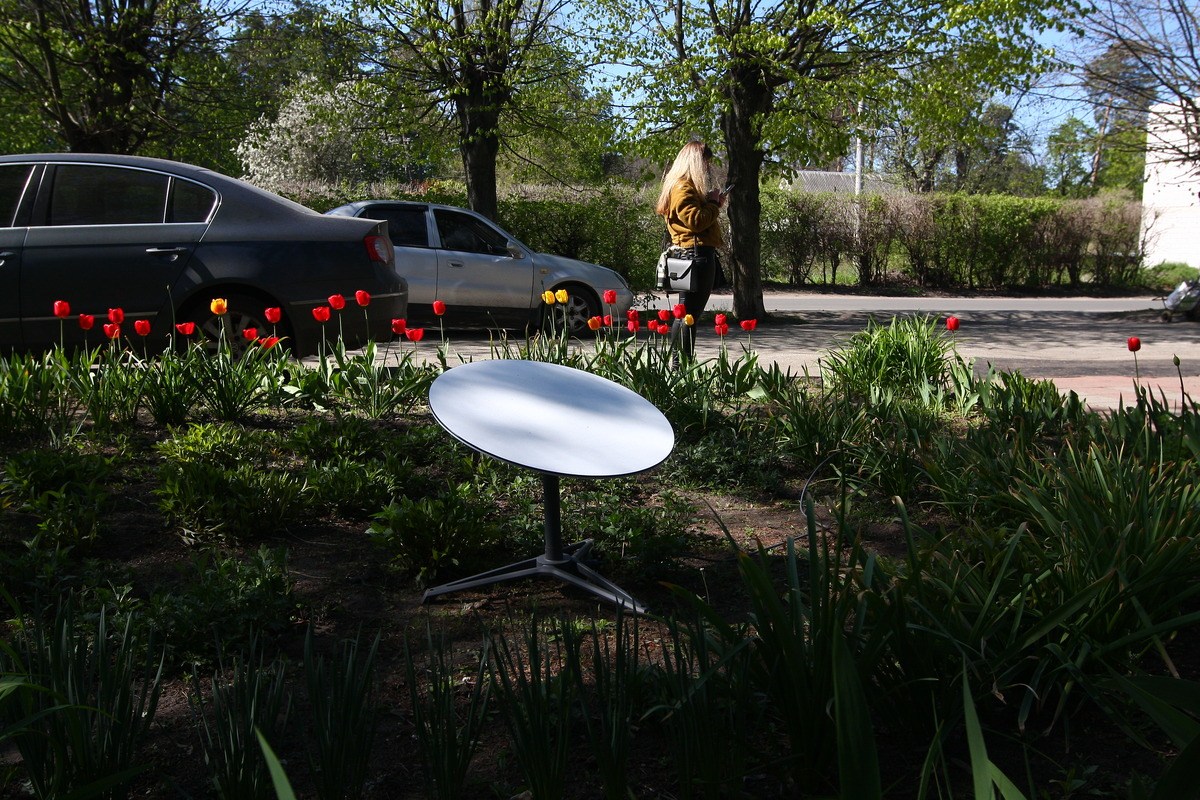
Russia said it struck a data center in Ukraine used to connect Kyiv to Elon Musk's Starlink internet access service in a wave of attacks overnight, marking the latest assault on Ukraine's communication sites since the start of the fall.
Russia's defense ministry said it targeted the Cosmonova data processing center in the Ukrainian capital with drones, adding the facility "provided mobile internet service and support" for Ukraine's Starlink use.
A drone crashed into an "office building" in the Solomyanskyi district of Kyiv, where the Cosmonova data processing center is located, Ukrainian officials said.
Five people were injured in Russian strikes across the capital in the early hours of Saturday, according to Kyiv mayor, Vitaliy Klitschko.
Ukrainian media had reported damage to the Cosmonova site after late-night attacks from Thursday into Friday. A Ukrainian television channel said it had halted broadcasts early on Saturday because of damage to Kyiv data centers.
Ukraine depends heavily on Starlink terminals to maintain internet communications, and for its military to pilot its extensive drone fleets on the battlefield.
The Starlink network, run by Musk's SpaceX firm, uses thousands of satellites orbiting close to the Earth to provide internet access.
Newsweek has reached out to SpaceX for comment via email.
Russia said it is homing in on data centers to cut off internet access for Ukraine's military. Russia's government said on Friday it had targeted another data center in Kyiv, shortly before Ukraine announced it would take new measures to protect data centers and communications sites.
Oleksandr Fedienko, a Ukrainian lawmaker who heads up the country's parliamentary subcommittee focusing on cybersecurity and communications, said Kyiv doesn't believe the strikes have damaged Ukrainian military activity.
"Russian strikes on data centers are one of the latest Russian attempts to disrupt the Ukrainian economy," the U.S.-based Institute for the Study of War (ISW) think tank said on Friday.
Russian attacks have wreaked havoc with internet access across Kyiv, Ukrainian media reported. Several Ukrainian internet providers in the capital have said their services were disrupted by Russian attacks, while at least two internet companies said their data centers had been damaged.
A Russian attack disrupted internet access for around 100,000 households in Kyiv on Wednesday, Ukraine's government said.
"Russia has targeted major Ukrainian data centers, seeking to disrupt the flow of information," including air raid alerts for civilians, Ukraine's foreign minister, Andrii Sybiha, said on Wednesday.
A fire which broke out at a Starlink ground station in Poland on Wednesday may have been an act of sabotage intended to thwart internet access for Ukrainian forces, Polish Deputy Prime Minister Krzysztof Gawkowski said earlier this week.
Polish officials said they couldn't confirm whether Russia was responsible for the suspected sabotage incident, but investigations are underway.
Finnish President Alexander Stubb—a staunch Ukrainian ally with a solid relationship with U.S. President Donald Trump—said on Thursday he had appealed to Musk to broaden out Ukraine's military access to Starlink so Kyiv can take out equipment used to launch Russian ballistic missiles at the country.
Russia's ballistic missiles are very difficult for Ukraine to intercept, and Kyiv has warned it has run down its supplies of the few missiles that can take out the fast-travelling weapons before they strike vital sites, like power plants, ahead of the tough winter months.
Ukraine has requested permission to use drones equipped with Starlink against Russian ballistic missile launchers positioned more than 100 miles inside Russia, the Financial Times reported last month.
Ukraine's leader, Volodymyr Zelensky, said in August Kyiv was still in talks with the U.S. about the potential use of Starlink over Russia.
Ukrainian military intelligence reported widespread, "systemic" adoption of Starlink terminals by Russian troops by early 2024. Musk denied selling Starlink services to Russia and says SpaceX had effectively clamped down on Moscow's "unauthorized" use of Starlink.
By early 2025, Russia's influential community of military bloggers said Russian troops had started losing access to Starlink in some areas. In February 2026, Starlink said it had added new security measures into its service inside Ukraine, meaning terminals not on an approved "white list" wouldn't work in the country.
"This is a response to Russia’s use of Starlink," then-Ukrainian defense minister, Mykhailo Fedorov, said in a statement.
Major General Vadym Skibitskyi, the deputy chief of Ukraine's GUR military intelligence agency, said last month Russia had rolled out its Rassvet system—an alternative to Starlink—"much faster than originally planned."
"Once Russia deploys a full satellite constellation, the system will operate like Starlink," he told the RBC Ukraine outlet in August. "Discussions are already underway on how to counter it."
Contact Newsweek editor on this story: Edward Pearcey.