Rosie DiManno: Galloway trial offers look behind the scenes at prestigious UBC program - Toronto Star
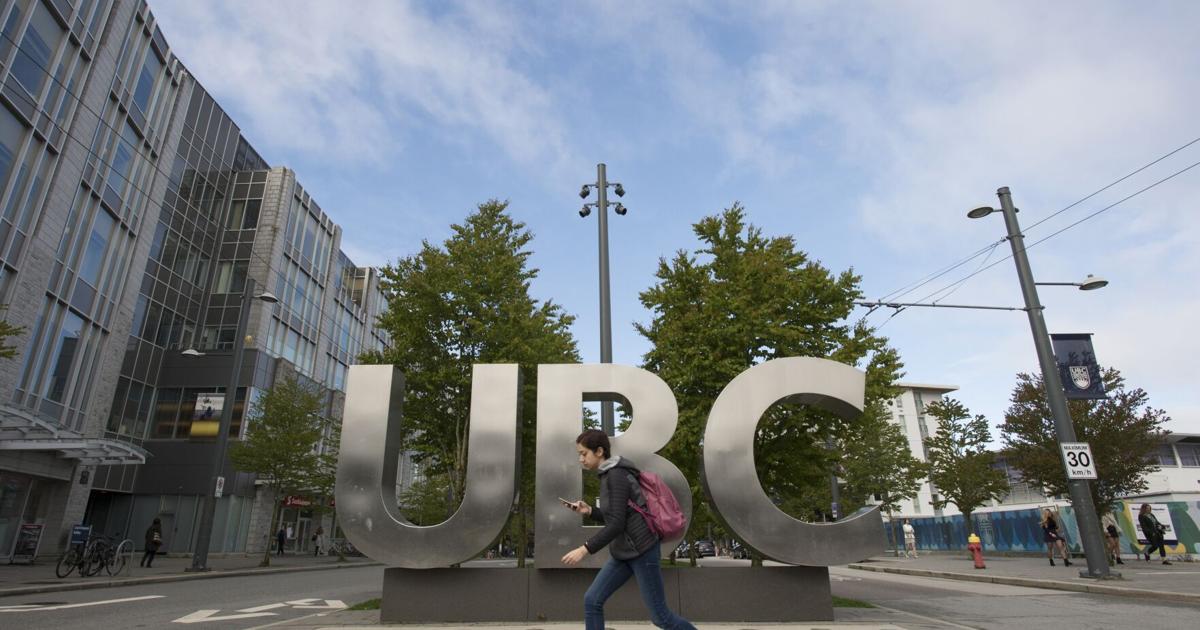
While the University of British Columbia is not on trial in the defamation case of “cancelled” bestselling author and former creative writing chair Steven Galloway, it has found itself under attack from all sides, writes Rosie DiManno.
Rosie DiManno is a Toronto-based columnist covering sports and current affairs for the Star. Follow her on Twitter: @rdimanno.
The creative writing program at the University of British Columbia is the oldest in Canada and of immense prestige. A great many future authors of renown were incubated and nurtured there.
But it is also, on the evidence, a snake pit of hissing rivals, treachery, mean-girl bullying, malign manoeuvring and deception.
While the university is not on trial in the defamation case of “cancelled” bestselling author and former creative writing chair Steven Galloway, it has found itself under attack from all sides. For the institution, the verdict is already in: Guilty.
Galloway had originally sued 25 individuals for defamation, including former fellow professors. With settlements and apologies, that list has been whittled down to four.
Author and former University of British Columbia professor Steven Galloway is seen through a window as he leaves B.C. Supreme Court during a lunch break at his defamation lawsuit, in Vancouver, on Tuesday, Oct. 6, 2026.
Annabel Lyon — successor once removed from Galloway as head of the creative writing department, a colleague at the time that Galloway was suspended and subsequently sacked in 2015 — testified this week that the woman who had accused Galloway of sexual assault was permitted to graduate despite never submitting the required completed thesis.
Framing it as pressure applied by a fellow professor, Lyon said she “signed off” on the half-finished thesis that she barely read. The woman, A.B., received a mark of A-plus, from the other professor.
It was a falsity, a “dirty little secret” as Galloway’s lawyer put it to Lyon on Wednesday, and Lyon didn’t disclose it to the dean until four months later.
“I regret it to this day,” said Lyon.
The regret has been long in coming and doubtless influenced by the settlement agreed between Lyon and Galloway. (The other professor settled as well and retired last year.) But it’s taken more than a decade for us to get here — a trial, the witness stand, klieg lights trained on the university. Years during which the outcast Galloway, so distraught by the accusation made against him that he has been completely incapable of writing anything, has fought to reclaim his good name and character.
Indeed, so maddened by the allegation of sexual assault that, on the day he learned of it — while he was in Ohio to deliver a speech — that he ended up in hospital on a 72-hour psychiatric hold. That episode, after being notified by the university’s dean of arts of the allegation and request that he voluntarily stay away from campus while the matter was being investigated, was triggered by Lyon calling Ohio police, warning that Galloway might take his own life. This, even though Galloway had told Lyon he was “too much of a coward” for suicide.
Cops showed up at his door. And so began the Kafkaesque nightmare that has consumed Galloway ever since.