
Revive textile sector for job creation, economic diversification — Labour - Vanguard News
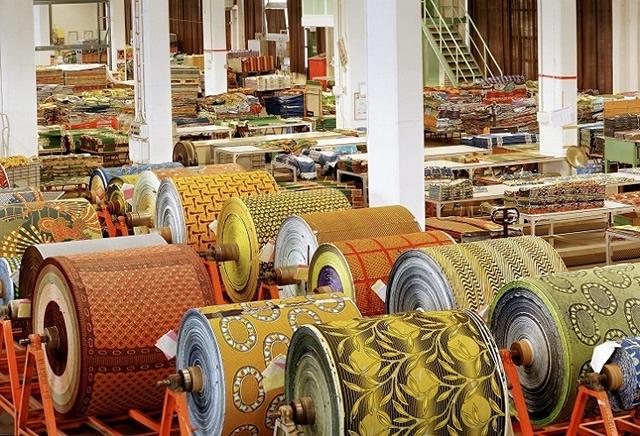
The National Union of Textile, Garment and Tailoring Workers of Nigeria, NUTGTWN, has called on the Federal Government to urgently revive Nigeria’s moribund textile industry, describing the sector as critical to industrialisation, job creation and economic diversification.
The union made the call at the First Abubakar D.O. Abutu Memorial Lecture organised by the Commonwealth Society of Nigeria in Abuja, where it also paid tribute to the late labour leader for his lifelong commitment to workers, organisedlabour and national development.
In remarks delivered at the event, NUTGTWN President, Peters Godonu, said the legacy of AlhajiAbubakarAbutu remained relevant to the struggle for workers’ dignity, social justice and national development.
Represented by the Deputy President of NUTGTWN, Umar Mohammed, Godonustated: “We wish to use this occasion to renew our call for the revival of Kaduna Textile Limited, KTL, which occupies a special place in Nigeria’s industrial history.
“Its revival would therefore not simply be about reopening a factory. It would represent an important statement about Nigeria’s commitment to industrialisation, job creation, local production and economic diversification.
“The textile industry is one of the world’s major labour-intensive manufacturing sectors. At its peak, Nigeria had a significant textile industry that generated employment, developed technical skills and supported communities across Kaduna, Kano, Lagos, Katsina, Zamfara and other parts of the country.
“The decline of the industry has therefore had consequences far beyond the closure of individual factories. It has meant the loss of jobs, skills, industrial capacity, local supply chains and opportunities for young Nigerians.
“Nigeria still possesses many of the ingredients required to rebuild a competitive textile and garment industry: a large domestic market, cotton-growing potential, a substantial labour force, technical knowledge, a vibrant fashion industry, a youthful population and access to the wider African market.”
Comments expressed here do not reflect the opinions of Vanguard newspapers or any employee thereof.


