R45bn copper theft crisis: SAHRC wants scrap dealers to ditch cash - IOL
The South African Human Rights Commission (SAHRC) wants cash payments for copper scrap banned as part of a tougher response to cable theft and the destruction of public infrastructure.
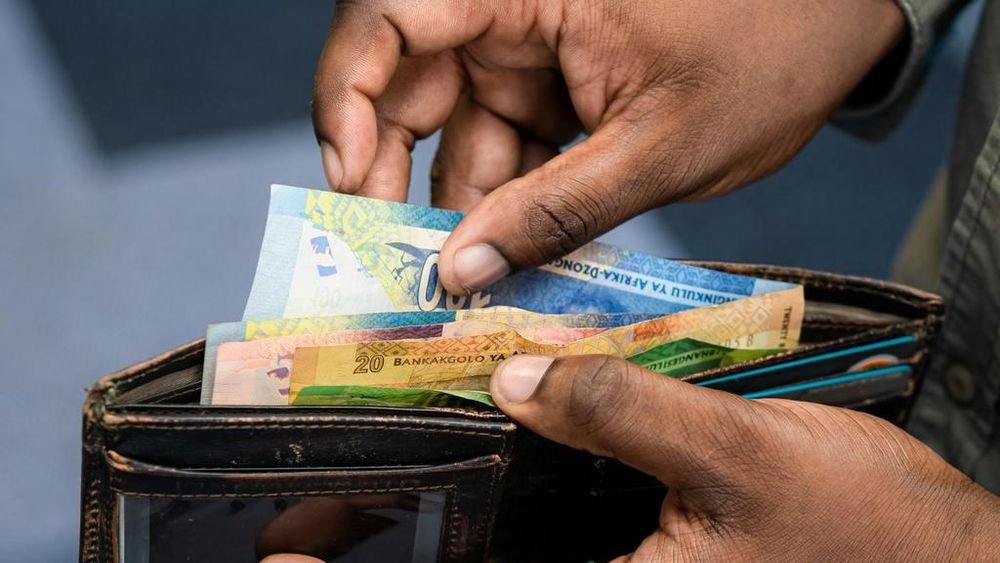
In a newly released policy brief, the SAHRC recommends that all copper scrap transactions be conducted electronically, with records of payments kept for at least five years.
The recommendation comes against the backdrop of an illicit copper trade that costs South Africa more than R45 billion a year, according to research by Genesis Analytics commissioned by the Department of Trade, Industry and Competition.
Transnet has also recorded large-scale losses of railway cable, while Eskom says theft and vandalism continue to threaten electricity supply and public safety.
The SAHRC says cash transactions make it harder to trace where stolen copper comes from and where the money from its sale goes.
It wants electronic payments to create a transaction trail that can be used by regulators and law enforcement to identify suspicious activity.
"Cash transactions reduce traceability and can facilitate the movement of stolen metal through apparently legitimate transactions. The Commission recommends that the SHGA amendments include a mandatory cashless payment requirement for all copper scrap transactions, with electronic records retained for a minimum of five years," the Commission said.
The call comes as the government moves to tighten the regulation of the second-hand goods and scrap-metal industry. Cabinet announced in August that it had approved the Second-Hand Goods Amendment Bill, 2026, for publication for public comment.
The proposed Bill is intended, among other things, to address regulatory gaps linked to infrastructure vandalism, cable theft and the unlawful scrap-metal trade.
The SAHRC said the Bill should be published for public comment without further delay and called for the regulations under the Second-Hand Goods Act to be finalised with a clear implementation timetable by the end of December 2026.