Project seeks greater efficiency in Cerrado coffee farming - Valor International
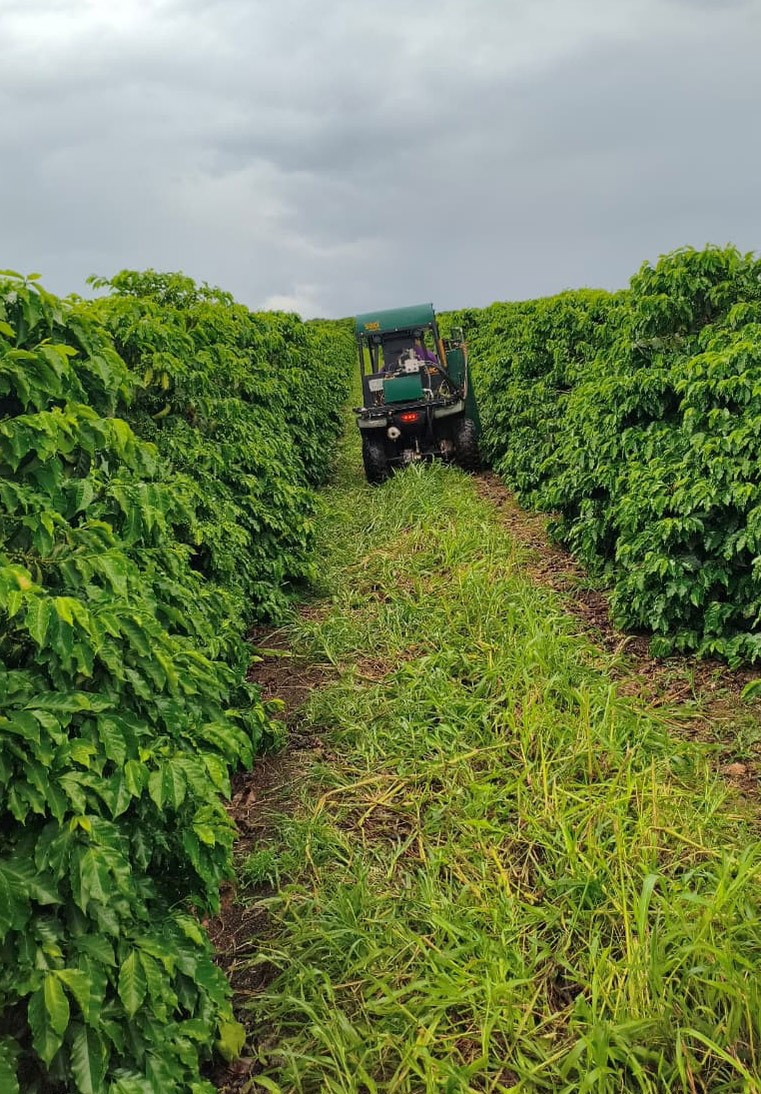
Nestlé, through Nescafé, and the Cerrado Coffee Growers Cooperative (Expocacer) have advanced a project to expand regenerative agriculture in the Brazilian Savanna (Cerrado). Working with research and consulting firm Fronterra Bio, the multinational and the cooperative have introduced a new soil collection and analysis method that promises to improve the efficiency of these coffee farms.
The project is underway at 10 arabica coffee farms in Patrocínio, Minas Gerais, but is expected to expand to arabica plantations in southern Minas Gerais and conilon coffee farms in Espírito Santo.
The initiative uses Embrapa’s BioAS soil bioanalysis methodology, which supplements traditional soil analysis by measuring microbial enzyme activity as a bioindicator of soil health. “BioAS is a methodology that quantifies soil microbiota. Farmers can see the condition of the soil and identify beneficial and harmful microbiota, allowing them to make more informed decisions about fertilizer applications and the possible use of chemical pesticides,” explained Íkaro Almeida, agricultural coordinator for Nescafé Plan Brazil.
One of the project’s technical distinctions is its sampling process, carried out by an all-terrain vehicle equipped with a mechanized, georeferenced collection kit that replaces manual sampling. Teams take samples from two plots on each farm and send them to a laboratory accredited by Embrapa.
Rodolfo Clímaco, agricultural coordinator for the Nescafé Plan program in Brazil, noted that the technology allows teams to return to the same sampling points for annual monitoring through 2030.
“We have a platform that measures reductions in carbon emissions, and this technology provides standardization and allows us to measure increases in soil organic matter very precisely. If the organic-matter content changes, carbon sequestration also changes,” Clímaco explained.
The project began with 10 participating farms, assessing plots under conventional management and regenerative-agriculture practices.
Mechanized collection reduces the work required per farm from two days to one hour and standardizes the volume of soil collected. “Farmers receive high-precision data that allows them to apply inputs more efficiently, increasing productivity and reducing carbon emissions,” Clímaco noted.
“By combining physical, chemical, and biological soil indicators with information about the plants and their management history, we can develop a more complete view of the production system. The project’s greatest value lies in continuous monitoring, which allows us to track changes in soil health and support increasingly efficient and sustainable decisions,” explained Matheus Bento, a partner at Fronterra Bio.
Coffee farmer Karina Seibt of Fazenda Manabuiú in Patrocínio is among the project’s participants. The farm grows coffee on 516 hectares—each equivalent to 10,000 square meters, or about two and a half acres—and harvested 28,000 bags this year. “With a more comprehensive assessment, we can better understand the needs of each plot and manage it more precisely. This has reduced costs through more efficient use of inputs,” Seibt observed.
The farm joined the project in 2025 and received consulting, training, instruction on biological inputs, and a mix of cover-crop seeds to plant between the coffee rows. “You have to understand the soil before selecting the mix. We use buckwheat, sunn hemp, forage radish, and brachiaria grass. These plants help control soil temperature and attract the natural enemies of coffee pests,” the farmer explained.
Clímaco noted that the plan is to extend the project to other farms participating in the Nescafé Plan. In Brazil, the program serves 3,800 farms that practice regenerative agriculture. Nescafé currently buys 53% of its green coffee from farms that follow these practices. Nestlé plans to invest 1 billion Swiss francs, or R$6.5 billion, in the Nescafé Plan worldwide between 2025 and 2030.