Police ministry warns against weaponising disciplinary processes - IOL
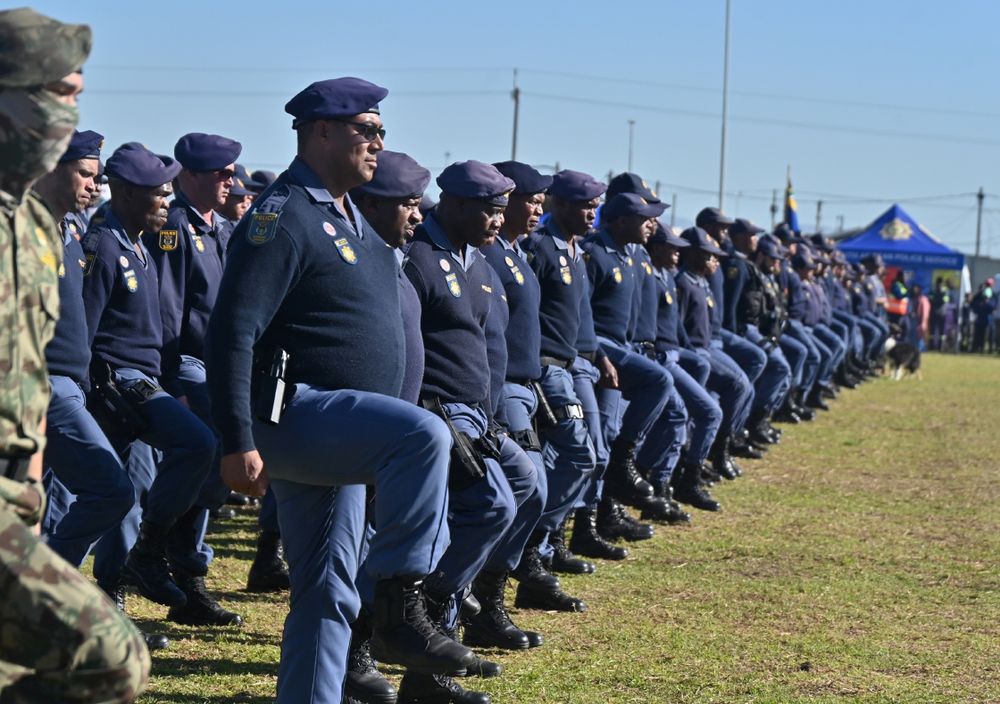
The Police Ministry says investigative and disciplinary processes must be properly grounded in evidence.
The police ministry has expressed concern over the potential abuse of criminal and disciplinary processes within law enforcement, affirming that it will not tolerate the misuse of state machinery to protect individuals or undermine legitimate investigations.
This follows the withdrawal of charges laid by the Investigating Directorate Against Corruption (IDAC) against National Police Commissioner General Fannie Masemola. Masemola had been charged over the alleged irregular awarding of a police health-services contract valued between R228 million and R360m to Medicare24.
Earlier charges of fraud and corruption against Lieutenant-General Dumisani Khumalo and six other senior Crime Intelligence officials, relating to the appointment of an unqualified civilian within the SAPS, were also withdrawn.
Additionally, KZN Hawks Lieutenant Colonel Deenadayalan “Deena” Govender told the Madlanga Commission that suspended Police Minister Senzo Mchunu pushed to implicate KwaZulu-Natal Police Commissioner Lieutenant General Nhlanhla Mkhwanazi in 172 shootings. Mchunu has denied these allegations.
This ignited a debate over whether criminal investigations and disciplinary processes are being weaponised to settle internal rivalries, oust police leadership, or shield criminal syndicates from operational scrutiny.
Acting Police Minister Professor Firoz Cachalia’s spokesperson Kamogelo Mogotsi said the ministry is concerned about any abuse of criminal or disciplinary processes, regardless of who may be targeted or who may benefit. He said the ministry respected the independence of the National Prosecuting Authority and the legal processes governing prosecutions.
Asked whether the ministry will call for a review to determine whether these are legitimate or attempts to protect senior police personnel or relationships with criminal syndicates or political interference, Mogotsi said: “The ministry will not tolerate the misuse of disciplinary or investigative processes to protect individuals, undermine legitimate investigations or interfere with the work of law-enforcement officials. Equally, allegations of political interference or links to criminal syndicates must be substantiated through proper investigative and oversight processes.”
She added that this approach is consistent with the Police Reset Agenda, saying that professional policing requires both accountability for misconduct and protection of officials from processes that are not properly grounded in evidence.
Meanwhile, Portfolio Committee on Police chairperson Ian Cameron explained that a review should establish who initiated proceedings, what evidence existed at the time, whether proper procedures were followed, whether material exculpatory evidence was considered, and whether anybody attempted to influence the process.
“Just as importantly, the review must look in both directions. We must determine whether disciplinary processes have been abused to target officials, but also whether disciplinary processes have been manipulated or deliberately stalled to protect senior officials,” Cameron said.
He added that the country cannot afford factions within law enforcement using criminal investigations or disciplinary machinery against one another. Nor can it allow genuine allegations of corruption to be dismissed simply because some previous cases were badly handled.
Retired Ambassador, security strategist and strategic analyst, Andy Mashaile recommended that a review should examine the evidential basis for each disciplinary charge and whether the relevant investigative and prosecutorial procedures were properly followed.
He said the test should include whether officers were suspended or removed from operational duties before the evidential threshold had been properly tested; if there were unexplained inconsistencies in how comparable cases were treated; whether objecting investigators or prosecutors were faced with pressure or disciplinary action; if there were unusual political or senior administrative interventions; and whether charge withdrawals stemmed from new information or preliminary deficiencies.
“A review should not assume that a withdrawn charge was malicious or illegitimate. A charge can be withdrawn because evidence was insufficient, because procedure was defective, because prosecution policy was not satisfied, or because further investigation is required.
"Equally, repeated failures of this nature can indicate serious weaknesses in the system,” Mashaile said.