PETAN projects 500,000bpd deepwater boost, 2mbpd refining capacity
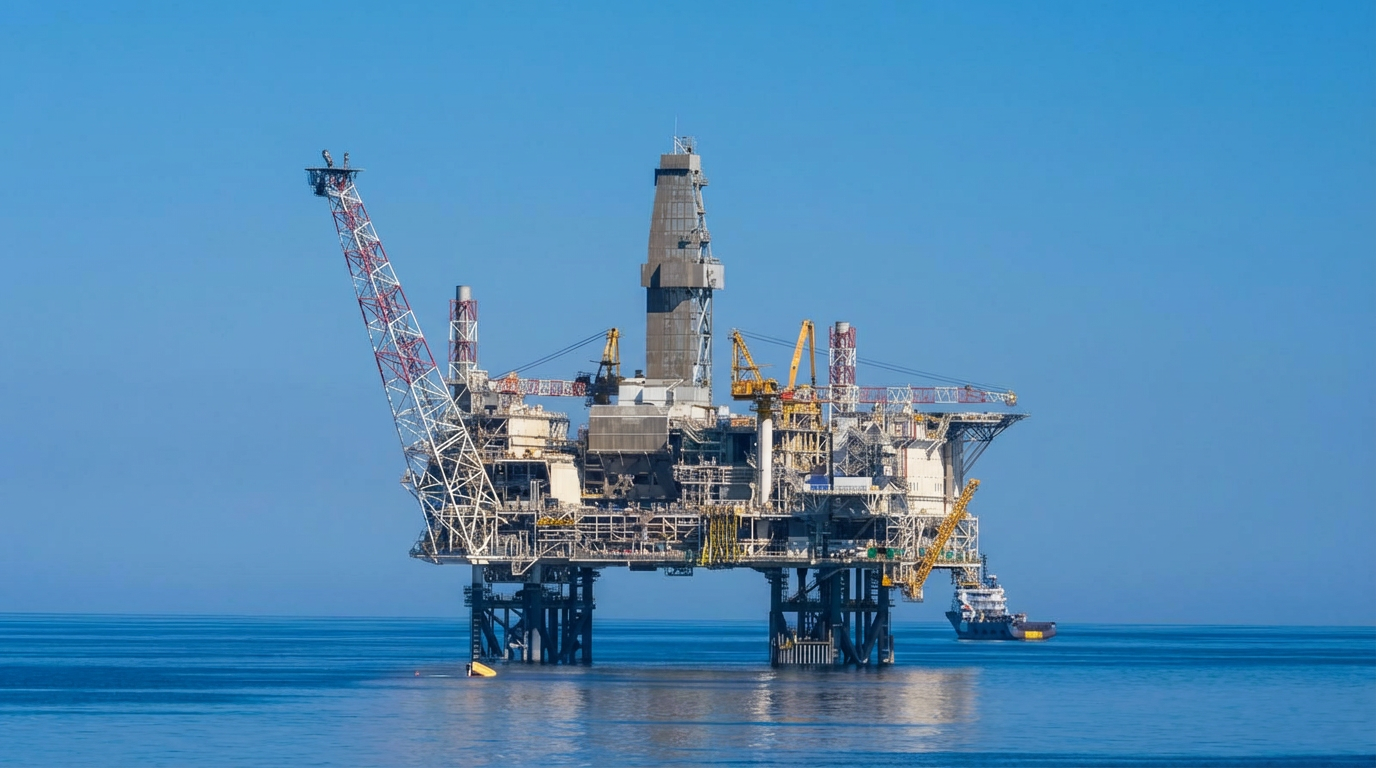
The Petroleum Technology Association of Nigeria (PETAN) has projected up to 500,000 barrels per day (bpd) of additional crude oil production from major deepwater projects expected to commence drilling this year, as the country targets three million bpd by 2030. The PETAN President, Wole Ogunsanya, who disclosed this at the Energy Leaders’ Summit organised by The Energy Year in Lagos, said Nigeria could refine close to two million bpd in the near future while retaining the capacity to export about 1.5 million bpd under its OPEC quota. Ogunsanya said the three million bpd production target, from the current 1.7 million to 1.8 million bpd, was ambitious but achievable, citing increased activity in deepwater, land and swamp areas. “There is a lot of FID in the deepwater; there is a bunch of fields that are being awarded on land and swamp,” he said. He identified ExxonMobil, TotalEnergies and Chevron among major international oil companies expected to commence deepwater drilling before the end of the year, saying the projects could deliver as much as half a million bpd within three to five years. “These are deep-water projects. Most major companies I’ve mentioned, those deepwater projects, at least three of them are starting this year. It will take two to three years. We’re expecting about 350,000 barrels from those projects, even more. I think it will be as much as half a million barrels of oil by the next three to five years from those projects,” he said. However, Ogunsanya faulted the award of some oil assets with significant production potential to operators who, he said, lacked the technical capacity to maximise them. “We have a bunch of assets awarded to companies that do not have the expertise to handle those assets. People raise money; they don’t have what it takes to do it. I always say this, and sometimes I say it the way I see it as much as I can. So, we’ve got assets that have huge potential awarded to people who are not prepared or do not have the expertise to do it. And that’s why we are behind in some of the production,” he said. He called for regulators and the Nigerian National Petroleum Company Limited (NNPCL) to ensure that assets were transferred to operators with the requisite technical and financial capacity where existing operators failed to deliver. “We are going to rely on NNPCL and regulators. Policies are coming up now. If you cannot produce the asset, they are going to take it from you.”
If the regulators are serious about increasing this production, it’s to ensure that the assets will be handed over to the people who have the capacity to do them. “We just did a bid round with a lot of stories around it. Another one is coming. If we truly want to increase oil and gas production in Nigeria, let’s give those assets to people who have the capacity to do them,” he said. Ogunsanya also identified the development of shallow-water assets as another opportunity to raise output, citing Seplat Energy and Renaissance Africa Energy. He said Seplat, which acquired ExxonMobil’s Nigerian shallow-water assets, had access to funding through its London listing and could increase production from the assets. “That asset was producing at a time over 300,000 barrels under ExxonMobil. I think they tried to push about 200,000 barrels a day,” Ogunsanya said.
On gas, the PETAN president called for investment in pipeline infrastructure and greater development of non-associated gas, proposing that gas production be linked to oil output. “In the gas space, we need to find ways to improve our infrastructure. We have issues of pipeline, essentially. And of course, we have to encourage these oil companies to drill those non-associated gas.
What we should do is, for every barrel of oil that is produced, we should mandate the operators to produce a volume of gas,” he said. Meanwhile, Technical Director at Navante Oil and Gas, Emeka Onwuechi, called for greater collaboration between energy producers and indigenous oilfield service companies, saying Nigeria still relies on foreign service centres for some critical equipment. “Currently, there seems to be, in my opinion, a lack of confidence in what we are going to do to oil and gas, or oil and gas service companies,” he said Onwuechi said Nigeria currently lacks in-country capacity to manufacture equipment such as Christmas trees.