Otter ‘Boon Thing’ dies less than three weeks after transfer - Bangkok Post
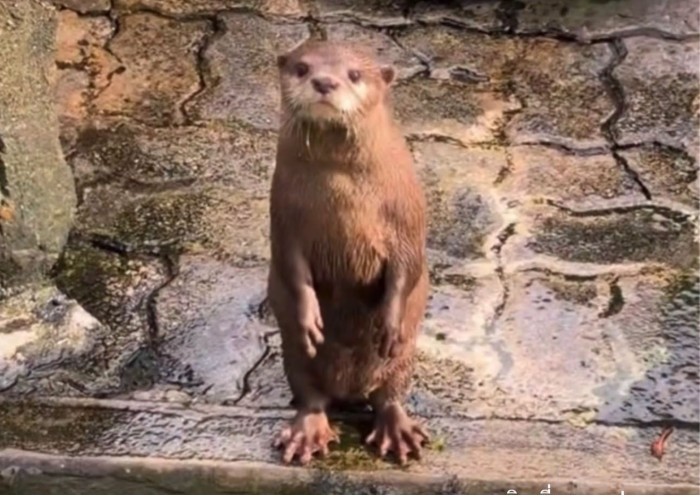
Staff at a wildlife rescue centre in Ratchaburi said that despite close monitoring and care, Boon Thing’s condition failed to improve after it was transferred from a zoo in Nakhon Pathom. (Photo: กินเที่ยวนครปฐม) The death of “Boon Thing”, a beloved otter that had lived with its former caretaker for more than six years, has sparked public debate after it died less than three weeks after being transferred from a small private zoo to a wildlife rescue centre.
The centre said the animal had shown signs of stress, lethargy and a declining appetite before its death, while online posters have renewed criticism of the person who initially raised concerns about its welfare.
The otter had become a familiar attraction at a zoo in Nakhon Pathom province, where its original owner left it more than six years ago, reportedly because they could no longer afford the cost of caring for it.
The zoo continued to look after Boon Thing, who gradually became a favourite among visitors.
However, the situation suddenly changed after a social media user posted a video questioning the otter’s living conditions, including its enclosure and care. The footage prompted public criticism and calls for authorities to investigate.
On Oct 2, 2026, Boon Thing was transferred to Wildlife Rescue Centre 3 (Prathap Chang) in Ratchaburi province and taken into custody as a protected wild animal after authorities found that the original zoo did not hold the required licence to possess wildlife.
The centre subsequently reported that Boon Thing initially appeared frightened and repeatedly vocalised for an extended period after arriving, although it continued to eat normally.
Over time, however, the otter became increasingly withdrawn and stressed, stopped vocalising and began eating less. Despite close monitoring and care from staff and animal keepers, its condition failed to improve.
On Oct 19, 2026, staff found Boon Thing dead. An initial examination revealed no visible wounds or signs of physical abuse.
The centre suggested that stress and depression might have contributed to its death, noting that the otter had spent years living closely with humans and may have lost some of its natural survival instincts.
The sudden change in environment and caregivers could also have made it difficult to adapt, it said.
However, the cause of death has yet to be officially confirmed, pending the results of a post-mortem examination.
Some commenters on social media suggested the person who posted the original video complaint ended up doing more harm than good. If she lacked knowledge about animals’ wellbeing, said one, she shouldn’t use social media to spread her opinions about the zoo.
Some accused the individual of seeking attention or generating controversy, while others defended the decision to report concerns about an animal’s welfare.
They argued, however, that any intervention should prioritise the animal’s well-being and ensure that the transition to a new environment is handled appropriately.
Boon Thing’s case has raised broader questions about the standards of care for confiscated wildlife, the challenges of relocating animals that have become accustomed to human companionship, and how authorities can ensure that rescue and rehabilitation measures meet animals’ natural needs.
The tragedy has highlighted the importance of carefully managed wildlife transfers to prevent similar losses in the future.