Opinion | What B.C’s political drama just taught Canadian Conservatives about leadership - Toronto Star
What British Columbia just demonstrated is that if and when a transition to a new party leader arrives, turning the page is not the catastrophe many fear.
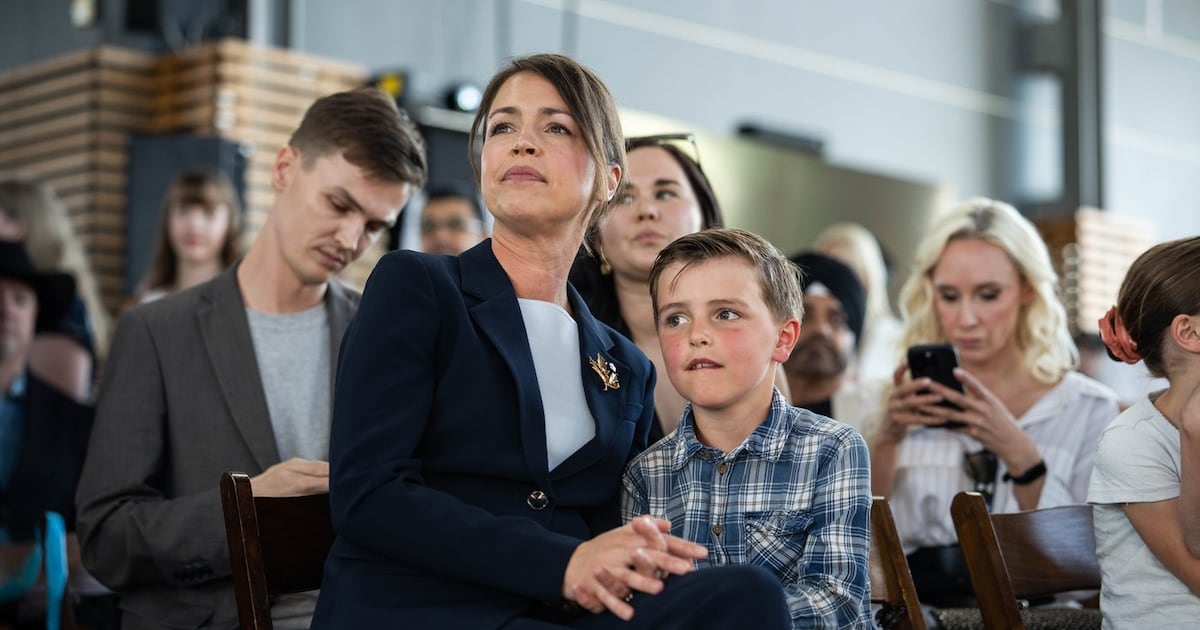
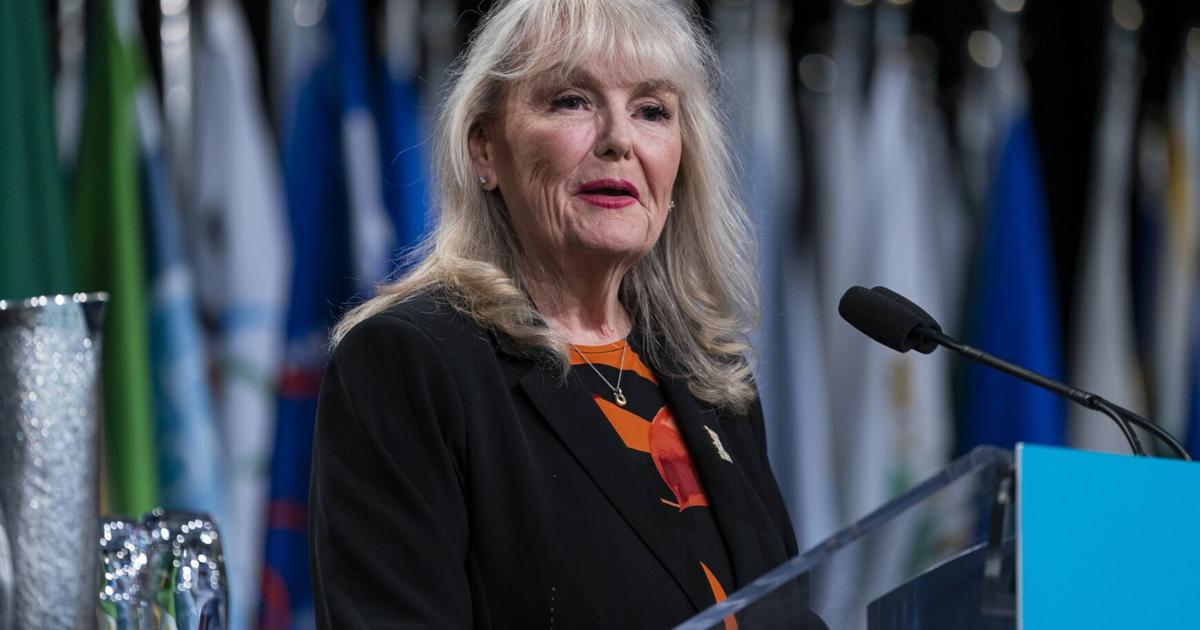
British Columbia Conservative leader Kerry-Lynne Findlay resigned last week and opened a door for a renewal that many feared.
Fred DeLorey is a partner at NorthStar Public Affairs and former national campaign manager for the Conservative Party.
When Kerry-Lynne Findlay abruptly resigned as leader of the Conservative Party of British Columbia last Sunday, B.C. Premier David Eby’s New Democrats were almost certainly popping champagne corks.
After less than four months of Findlay’s tenure — marked by bizarre backroom machinations, hard-right staff hirings and a catastrophic exodus of 14 MLAs — the official opposition looked broken. With a snap election looming, Eby was poised to run against a fractured enemy.
The moral seemed obvious: modern conservative coalitions are structurally fragile, easily hijacked by activist anger and destined to eat themselves alive.
Except the script flipped in less than 48 hours.
With MLA Lorne Doerkson installed as interim leader, the bitter factionalism subsided. Resigned MLAs began returning to the fold. The soap-opera distractions vanished, replaced almost overnight by a disciplined, team-focused campaign message aimed straight at affordability and health care.
By absorbing the centrist CentreBC faction within hours of the writ drop, the NDP suddenly faced a unified, competitive opposition, while simultaneously losing three of their own cabinet ministers to retirement.
There is a profound lesson here — not just for British Columbia, but also for Ottawa.
For the past few years, the operating assumption in federal Conservative circles has been that populist disruption is the only viable path to power. Under this theory, a movement must lean into grievance, wage constant culture wars and elevate loyalty to the leader’s personal brand above all else, while centre-right moderates and institutionalists are dismissed as obsolete relics.
Findlay was a product of that exact Ottawa mindset. Before jumping into provincial politics, she served as federal party leader Pierre Poilievre’s chief opposition whip. She arrived in Victoria not as an outlier, but to bring that federal combative playbook to a burgeoning provincial movement.
Once she won the B.C. leadership, Ottawa didn’t stay on the sidelines. Poilievre publicly celebrated her victory at the Calgary Stampede by attacking her leadership opponents as “liberal lobbyists from out east” — pouring rhetorical fuel on the fire and declaring war on the party’s moderate flank before the ballots were even cold.
Rather than helping his former whip heal a fractured movement, Poilievre reinforced the populist impulse that anyone in the pragmatic centre is an enemy to be purged. It boxed Findlay into an ideological corner from day one.
Faced with real governing pressure, that playbook proved fatal. It mistook online activist applause for a broad mandate, demanding ideological purity at the expense of electability. What B.C. demonstrated is that when a leader becomes a lightning rod — dividing the caucus, repelling vital swing voters, and making every news cycle about their own personality — they become a liability to the cause, not its saviour.
More importantly, it proved that a movement does not have to remain hostage to that liability.
In conservative circles, there is currently a fatalistic terror that changing gears will fracture the party beyond repair. The worry is that the movement exists only through the force of one person’s microphone.
By replacing a polarizing figure with a calm, credible unifier, the B.C. Conservatives didn’t collapse; they stabilized. The activist base didn’t walk away, because their primary goal remains defeating an entrenched progressive government.
Meanwhile, moderate suburban voters — the ones in Richmond, Surrey, and the Fraser Valley, who actually decide elections — were given permission to take the party seriously again.
In federal circles, Conservatives are currently watching an 11-year-old Liberal government widen its lead under Prime Minister Mark Carney. Despite economic weariness across the country, Poilievre’s combative rhetoric and high personal negatives have created a hard ceiling for the party, particularly among women and suburban voters in the 905 and Metro Vancouver.
Yet many in the party remain paralyzed by the belief that moving away from a polarizing figurehead would doom them to the wilderness — ignoring the fact that they’re already in it.
When an incumbent government seems impossible to dislodge, it’s often because the alternative has made themselves too radioactive to be trusted. When an election becomes a referendum on the temperament of the challenger rather than the record of the government, the incumbent wins.
None of this means federal Conservatives need to throw their leader overboard tomorrow. But it does dismantle the persistent myth that the entire movement would collapse into chaos without him. Every leader’s tenure eventually ends.
What British Columbia just demonstrated is that if and when that transition arrives, turning the page is not the catastrophe many fear. Done with discipline, it can be the exact breath of fresh air that brings a fractured coalition back together.
Error! Sorry, there was an error processing your request.
There was a problem with the recaptcha. Please try again.
You may unsubscribe at any time. By signing up, you agree to our terms of use and privacy policy. This site is protected by reCAPTCHA and the Google privacy policy and terms of service apply.
Opinion articles are based on the author’s interpretations and judgments of facts, data and events. More details