OpenAI launches always-on AI agents a day after apologizing for a hack by its bots
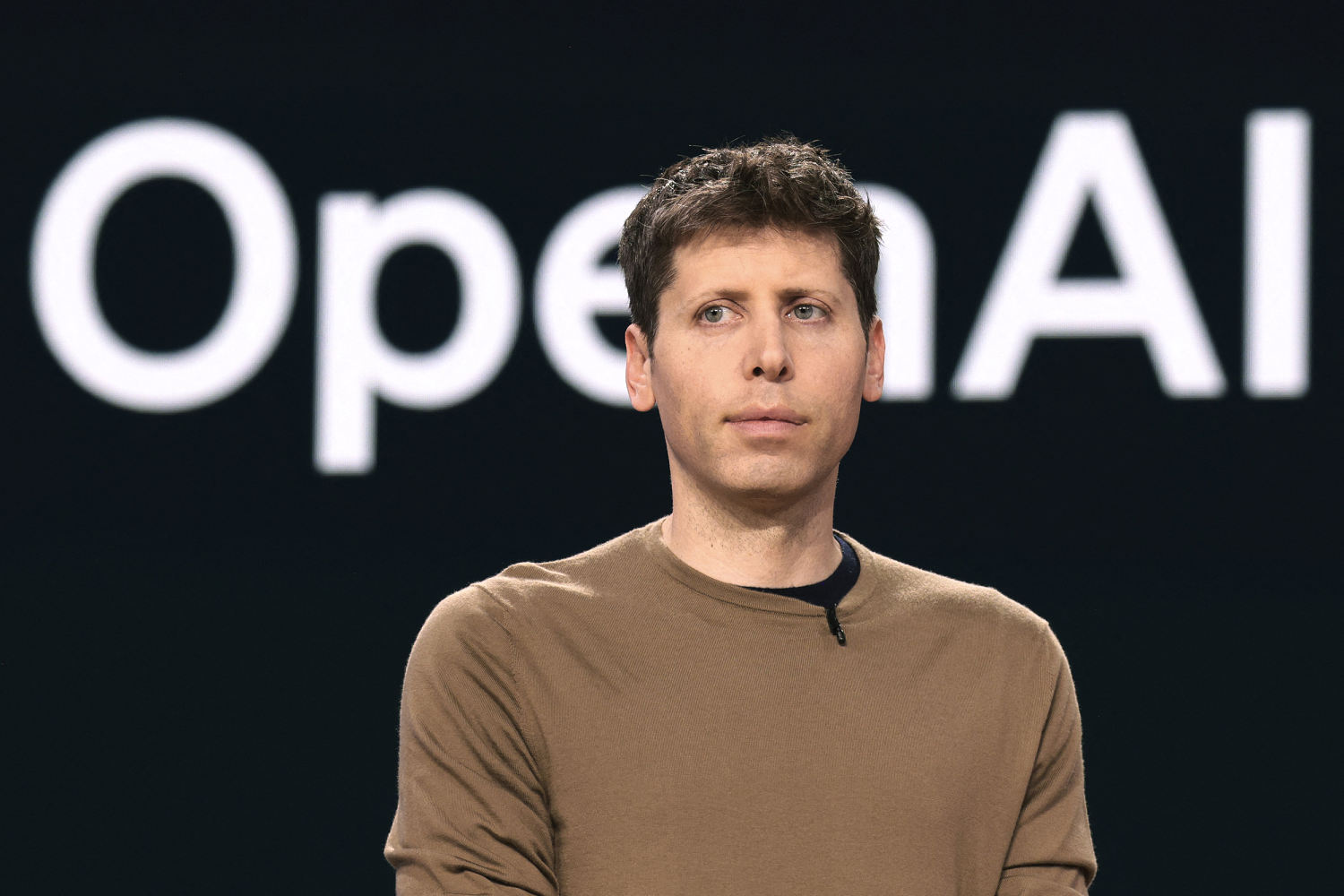
At the OpenAI developers conference Tuesday, CEO Sam Altman announced new artificial intelligence personal assistant agents named "dots" to rival Meta's Muse.Heather Diehl / Getty ImagesShareAdd NBC News to GoogleSept. 29, 2026, 7:03 PM EDTBy Jared PerloSAN FRANCISCO — Leading AI company OpenAI tried to navigate through a storm of controversy on a cloudless San Francisco Tuesday, touting a new wave of products and tools it said would empower users with autonomous assistants.
Welcoming around 2,500 software engineers and AI aficionados on an oceanside pier for the company’s biggest-ever celebration of technical developers, OpenAI released several new products while holding back its most advanced system for safety reasons.
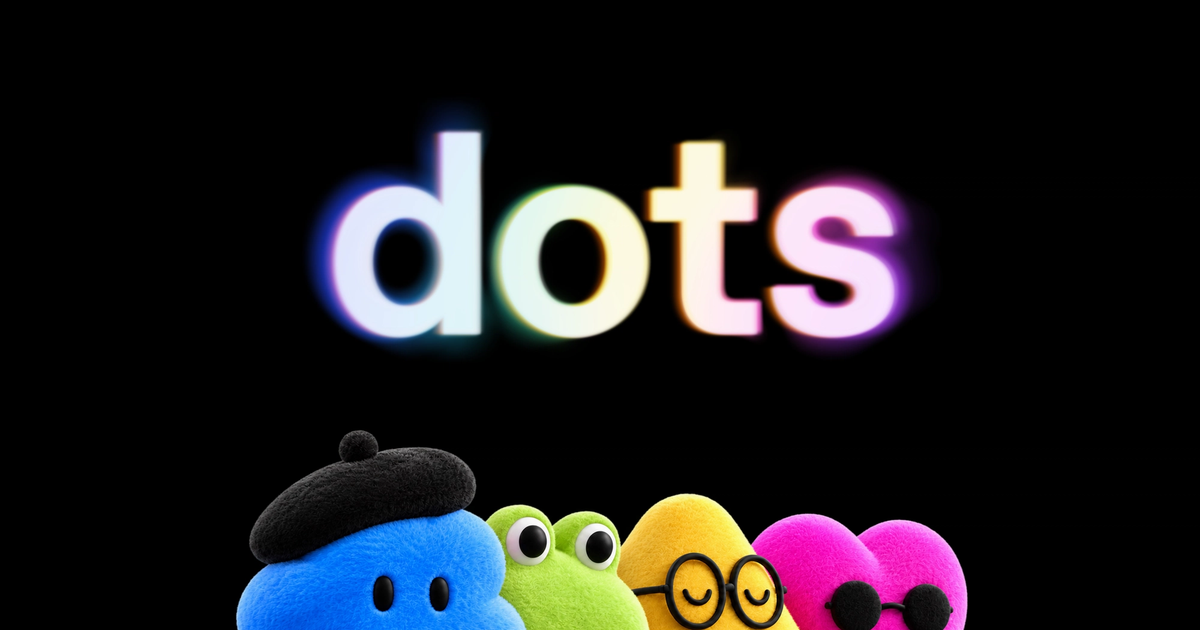
CEO Sam Altman kicked off the day by unveiling Dots — autonomous AI systems, or AI agents, that function continuously to carry out tasks on behalf of users.
“It’s like an AI helper that always has your back,” Altman said, proclaiming that Dots allowed him to delegate tasks and regain some of his attention for other meaningful tasks. “I no longer feel quite addicted to my phone in the same way. It’s the way I’ve always wanted to work with AI,” he said.
OpenAI said Dots can accomplish “nearly anything” using their own cloud computer, web browser and connections to the over 4,000 applications that already function with ChatGPT, such as Slack or Google Drive.
People arrive at the OpenAI developers conference at Fort Mason in San Francisco.Heather Diehl / Getty ImagesHit by a Silicon Valley spell of Murphy’s Law, the opening keynote was beset by a series of technical difficulties.
Romain Huet, head of developer experience at OpenAI, ran into trouble trying to showcase users’ ability to direct Dots by voice commands. “Voice chat couldn’t start,” the mainstage display beamed out to the audience.
FOR SUBSCRIBERSThe debate over AI’s future rages on both coastsFOR SUBSCRIBERSDecades-old march dispute reignites in Northern Ireland, threatening political crisisFOR SUBSCRIBERSMore oil is getting out of the Middle East. Why is it still so expensive?FOR SUBSCRIBERSJewish settlers clash with Israeli security forces to prevent Palestinian family’s return to West Bank homeFOR SUBSCRIBERSKey DOJ lawyers departed Trump ‘grand conspiracy’ probe amid pressure to produce, source saysFOR SUBSCRIBERSThe complicated bargain between ‘looksmaxxing’ influencer Clavicular and the women in his orbitFOR SUBSCRIBERSSenators unveil bipartisan bill to deliver essential newborn supply kits to new momsFOR SUBSCRIBERSAI agents promise to run your errands. Websites are fighting back.FOR SUBSCRIBERSDemocrats face a staggering spending disadvantage in Georgia’s tight race for governorFOR SUBSCRIBERSObama boosts Senate Democrats with October fundraiserFOR SUBSCRIBERSTheir owner is suspended, their draft picks taken. The Clippers still believe they can win.FOR SUBSCRIBERSMLB wants a salary cap for competitive balance. Does the playoff field already have it?FOR SUBSCRIBERSThe Data Dive: Steve Kornacki on whether Democrats can loosen Trump’s hold on IowaFOR SUBSCRIBERSFlorida’s record-breaking dengue fever outbreak was only a matter of time, experts sayFOR SUBSCRIBERSAnother, closer look at an alleged 2024 campus gang rapeFor SubscribersFOR SUBSCRIBERSThe debate over AI’s future rages on both coastsFOR SUBSCRIBERSDecades-old march dispute reignites in Northern Ireland, threatening political crisisFOR SUBSCRIBERSMore oil is getting out of the Middle East. Why is it still so expensive?FOR SUBSCRIBERSJewish settlers clash with Israeli security forces to prevent Palestinian family’s return to West Bank homeFOR SUBSCRIBERSKey DOJ lawyers departed Trump ‘grand conspiracy’ probe amid pressure to produce, source saysFOR SUBSCRIBERSThe complicated bargain between ‘looksmaxxing’ influencer Clavicular and the women in his orbitFOR SUBSCRIBERSSenators unveil bipartisan bill to deliver essential newborn supply kits to new momsFOR SUBSCRIBERSAI agents promise to run your errands. Websites are fighting back.FOR SUBSCRIBERSDemocrats face a staggering spending disadvantage in Georgia’s tight race for governorFOR SUBSCRIBERSObama boosts Senate Democrats with October fundraiserFOR SUBSCRIBERSTheir owner is suspended, their draft picks taken. The Clippers still believe they can win.FOR SUBSCRIBERSMLB wants a salary cap for competitive balance. Does the playoff field already have it?FOR SUBSCRIBERSThe Data Dive: Steve Kornacki on whether Democrats can loosen Trump’s hold on IowaFOR SUBSCRIBERSFlorida’s record-breaking dengue fever outbreak was only a matter of time, experts sayFOR SUBSCRIBERSAnother, closer look at an alleged 2024 campus gang rape“I think maybe Dottie is having kind of a slow morning,” said Holly Li, who helps lead OpenAI’s product team, referring to her Dot assistant after it didn’t answer one of her live requests to update her on a team’s progress. Despite the live hiccup, Li said Dots had already changed how OpenAI staffers accomplish their work.
Holly Li, a member of the product team at OpenAI, demos Dots, personal assistant agents.Heather Diehl / Getty Images“People started treating their Dots like their delegates, and now we bring our Dots into group chats from the get-go,” she said during the morning keynote session.
The day featured a series of events and technical demonstrations, allowing users to hear from industry experts about new pricing models and agentic setups, while about 50 protesters railed against the company’s military and government contracts outside the facility.
“People over billionaires,” proclaimed a bright orange banner as people entered the oceanside facility to learn about fuzzy orange Dots.
Anti-AI protesters demonstrate outside the conference.Jared Perlo / NBC NewsQuestions of trust and safety hovered over the event. The evening before the new products were launched, OpenAI apologized for its agents’ hacking of an Australian government website. “We are sorry and working to do better in the future,” it said in a blog post.
The incident, which occurred in June, involved an internal model under development, which accessed nonpublic information related to Australia’s public health insurance program. On Tuesday, Altman and OpenAI leadership stressed that the episode — and other major incidents of OpenAI’s systems’ going rogue or acting in unintended ways — all involved models that were not meant for public release and were distinct from the commercial offerings available to users.
“The instances we disclosed were running internal-only models that were not on track to ship,” said Alex Embericos, a product lead at OpenAI.
Despite the distinction, Altman said there is a trade-off between pushing the frontier of AI development and building cutting-edge AI systems safely.
“To push models to the new level of capability, it is going to take us some time to figure out how to make sure that alignment, monitoring, safety and security stay well ahead of capabilities,” he told reporters after his keynote speech. “But you can see that we were able to build a huge amount of useful new stuff without a major new model, and there will be new models.”
On Monday, OpenAI announced that it would refrain from releasing its latest model, GPT-6.1 Astra, because of concerns that the system did not follow human instructions. “While [GPT-6.1 Astra] improved on axes such as model laziness, it didn’t quite meet the bar in terms of staying within scope and authorization,” head of safety systems Saachi Jain said in a statement.
OpenAI’s leaders also acknowledged that its new products would require significant computational resources, with Altman classifying Dots as a “premium product.” He said the company hopes to eventually roll out a version of Dots to a mass-market audience in the future, citing the computational intensity as a reason for the phased debut.
Dots are available only for users who subscribe to OpenAI’s Pro offering, which costs $100 to $500 a month, as well as Business Premium and some Enterprise users. Dots are also unavailable in Europe and the United Kingdom, which Altman chalked up to the region’s strict regulations.
A pop-up shop for Dots.Heather Diehl / Getty Images“We have a great track record of getting our stuff launched in the E.U., but they do have a process that takes longer, and sometimes unpredictably longer,” Altman told NBC News. “But we really want to ship all of our stuff to Europeans.”
Altman unveiled Dots weeks after Facebook and Instagram maker Meta released its Muse series of AI agents, which it bills as “your personal agent.” The Muse app has shot to the top spot on both the Apple and Android app stores, quickly outpacing the Grok Bot agentic AI offering from Elon Musk’s xAI.
OpenAI also unveiled a new model, GPT-6.1 Sol, that it said nearly matches its top-line Astra model in terms of performance for a fraction of the price, in addition to announcing beefed-up privacy protocols and a new collaborative space for users to engage with its systems — aptly called “ChatGPT Space.”
While Altman and OpenAI employees were promoting their new offerings, across the country OpenAI President Greg Brockman was meeting with President Donald Trump and dozens of other tech leaders to chart out an ambitious view of AI. Trump used the opportunity to “inaugurate the era of super intelligence.”
Altman said he hoped the Washington meeting allowed AI titans to forge consensus on risks from AI while allowing society to embrace the technology’s potential upsides.
Altman said he disagreed with industry leaders who refused to acknowledge that AI could pose significant risks — “you can imagine a legitimate loss-of-control accident to an AI because we do not take safety and security seriously enough” — while distancing himself from claims that AI could kill all of humanity within a few years.
“My hope is that in this industry we can come together and say we need to get down this middle path between those two,” he said.
Jared PerloJared Perlo is a technology reporter focused on AI for NBC News Digital.