
Ole Miss College Newspaper Names Two Students Found Dead - Newsweek
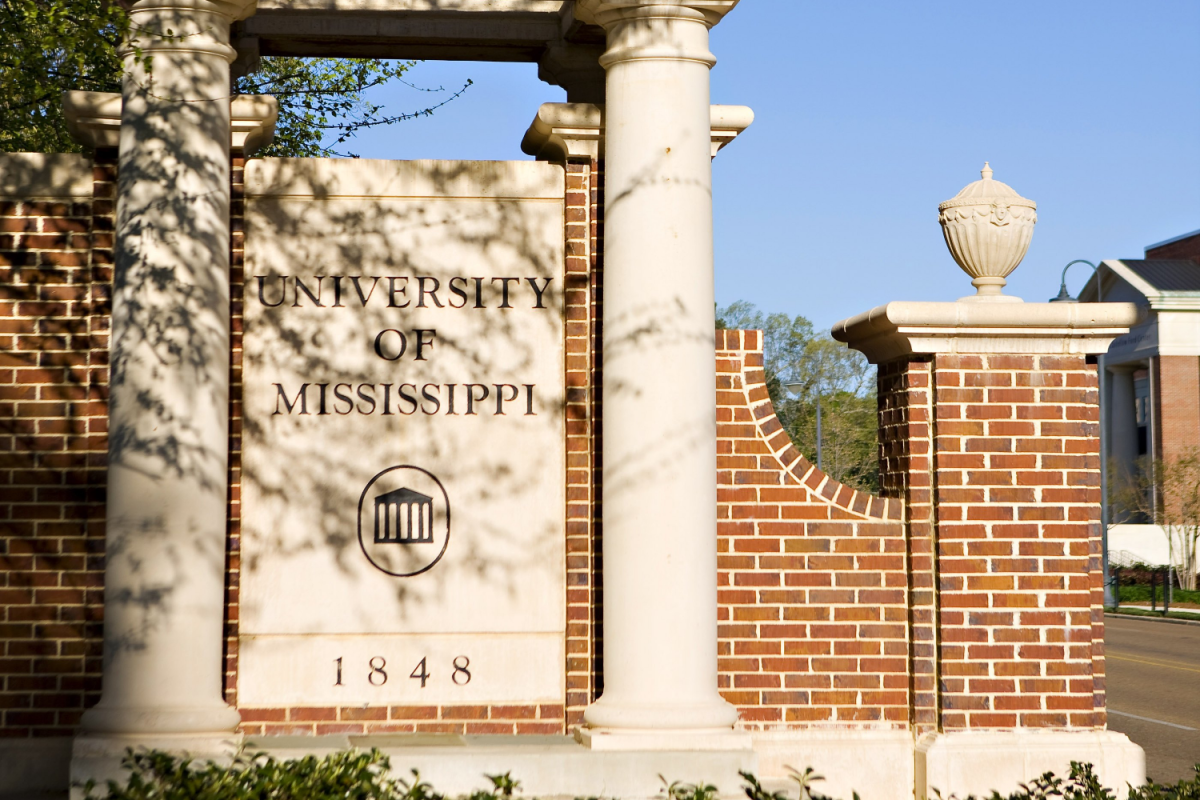
Two University of Mississippi students who were found dead this week have been named by a college newspaper.
Law enforcement were called to Stewart Hall on the Oxford campus on Monday, where one man was found dead. A second man was later found dead at an off-campus residence, according to the student newspaper The Daily Mississippian.
Olivia Claire Williford, the student body president at the University of Mississippi, told Newsweek: "Students have really leaned on one another during this incredibly difficult time. I see students checking in on their friends, supporting those who are grieving, and being very intentional about looking out for each other."
She added that student safety is "one of our highest priorities," and that the events of this week had encouraged important conversations among the student body about taking care of themselves and others.
Newsweek reached out to the Oxford Police Department via email for comment and is awaiting a response.
While the university has not publicly identified the students, The Daily Mississippian reported that they were 18-year-old Aidan Hamilton from Colorado and 20-year-old Robert Strang from Atlanta.
Strang was photographed in December 2025 on the Instagram page for Phi Delta Theta, a men's fraternity at the University of Mississippi known on campus as Phi Delt.
In the post he was pictured alongside six other students with the caption: "We are pleased to introduce our 2026 Rush Chairmen. Congratulations Men!"
Newsweek reached out to the Phi Delta Theta chapter via email for comment.
The University of Mississippi told Newsweek that it is not releasing the names of the students at this time. It also said it had circulated details of student counseling resources.
Dr. Shawnboda Mead, the vice chancellor for student affairs, wrote on X: "The University is heartbroken by the recent loss of two students and extends our condolences to their families, friends and loved ones during this difficult time.
"We are aware that considerable unverified information is circulating on social media and in the community regarding these recent student deaths. The Coroner's Office has confirmed two student deaths, and University Police are not aware of any additional student deaths. University Police remain in contact with local and state law enforcement and the causes of the two deaths are still under investigation."
She added: "We encourage our community not to speculate about the circumstances or repeat information that has not been officially confirmed. We appreciate your understanding and support for our campus community during this difficult time."
Williford said: "More than anything, I want people to remember that behind the headlines are students, friends, classmates, and families who are grieving. This has been difficult for our student body, but I have also seen tremendous compassion, kindness, and support throughout our community."
The deaths occurred following a busy weekend for the college as the Ole Miss Rebels beat LSU Tigers 32-24 on Saturday night. The Oxford Police Department released a statement on Monday afternoon that crowds had been "well behaved" and the weekend a success.
While the cause of the deaths has not yet been confirmed, authorities have been urging people to avoid an herbal extract found during their investigations.
"At this time we have no confirmed evidence indicating that the two deaths are connected. However, packaged kratom sold from a retail store was found during both investigations," Lafayette County Metro Narcotics said in a statement.
While not confirming a link between kratom and the deaths, the statement urged people to avoid it and "any other medication or substance that was not prescribed to you or obtained from a trusted, regulated source."
Mississippi Gov. Tate Reeves said in a statement on Wednesday that "Mississippi is praying for the families and friends of the two Ole Miss students during this incredibly difficult time," before adding that "illegal drugs are a serious problem at colleges and universities throughout the country."
"Please talk to your children about this situation and the dangers associated with taking illegal drugs," he said. "There has never been a more dangerous time to be a young person in American society."
Last week a "One Pill Can Kill" event spearheaded by Attorney General Lynn Fitch took place at the campus, providing students with information about drugs and training to administer Narcan in the event of overdose.
Kratom is an herbal substance made from the leaves of a tree native to Southeast Asia. It is sold in the U.S. and elsewhere as powders, capsules, extracts, drinks, and teas.
In lower doses, it can produce a stimulant-like effect, while higher doses can cause opioid-like sedation or drowsiness.
The FDA has not approved kratom for any medical use, and while not illegal in Mississippi, Oxford banned the sale of kratom products in 2019, while Lafayette County followed suit two years later.
"The use, purchase, possession, distribution, sale or offering for sale of kratom and other synthetic opioid products has been illegal throughout Lafayette County since January 2021," read a statement from Lafayette County shared on September 23.
Dean Francis, president of End Kratom Addiction, told Newsweek consumers are often unaware that compounds in kratom can have opioid-like effects and argued that the substance poses addiction and overdose risks, particularly when combined with other drugs. "Without proper clinical safety trials and regulatory evaluation, people are at great risk," he said.
Kratom advocates and some researchers argue the substance may have harm-reduction potential for people with opioid use disorder. The National Institute on Drug Abuse says people report using kratom to manage drug withdrawal and cravings, while noting that serious adverse effects have also been reported.
In March this year, the CDC reported a surge in poisoning cases related to kratom. Analysis of 2015–2025 National Poison Data System data found a roughly 1,200 percent increase in kratom-related exposure reports.
Most reports involved males and young adults aged 20 to 39, and most serious clinical outcomes were related to multiple-substance use involving addictive substances and antidepressants.
Symptoms of kratom overdose include nausea, tachycardia, agitation or irritability, seizure and coma. In 2025 more than 40 percent of calls to poison centers linked to kratom were serious of life-threatening situations.
Update 9/24/26, 9:49 a.m. ET: This story was updated with comment from the University's student body president.
Update 9/24/26 10:48 a.m. ET: This story was updated with additional information.


