Old-ball problem: How an ODI rule change has exposed India’s pacers - The Indian Express
ODI batting has been caught in a silent paradox since the Covid-19 pandemic: it has become faster but less productive.
In 2023, teams scored 102,185 runs across 218 men’s ODIs, the first calendar year to cross 100,000. The scoring rate rose to 5.54 runs per over. Run rates have remained above 5 since, but batting averages have fallen from the 2015-2019 World Cup cycle.
With a year left to the next World Cup in Africa, batters have lost their overwhelming edge somewhere along the way. The International Cricket Council’s (ICC) rule tweak last year took some sheen off the batters, tightening the parity between bat and ball.
On July 2, 2025, the ICC stipulated that only one ball would be used after 34 overs, allowing it to age up to 33 overs and potentially helping bowlers generate reverse swing. A version of the rule existed between 2007 and 2011.
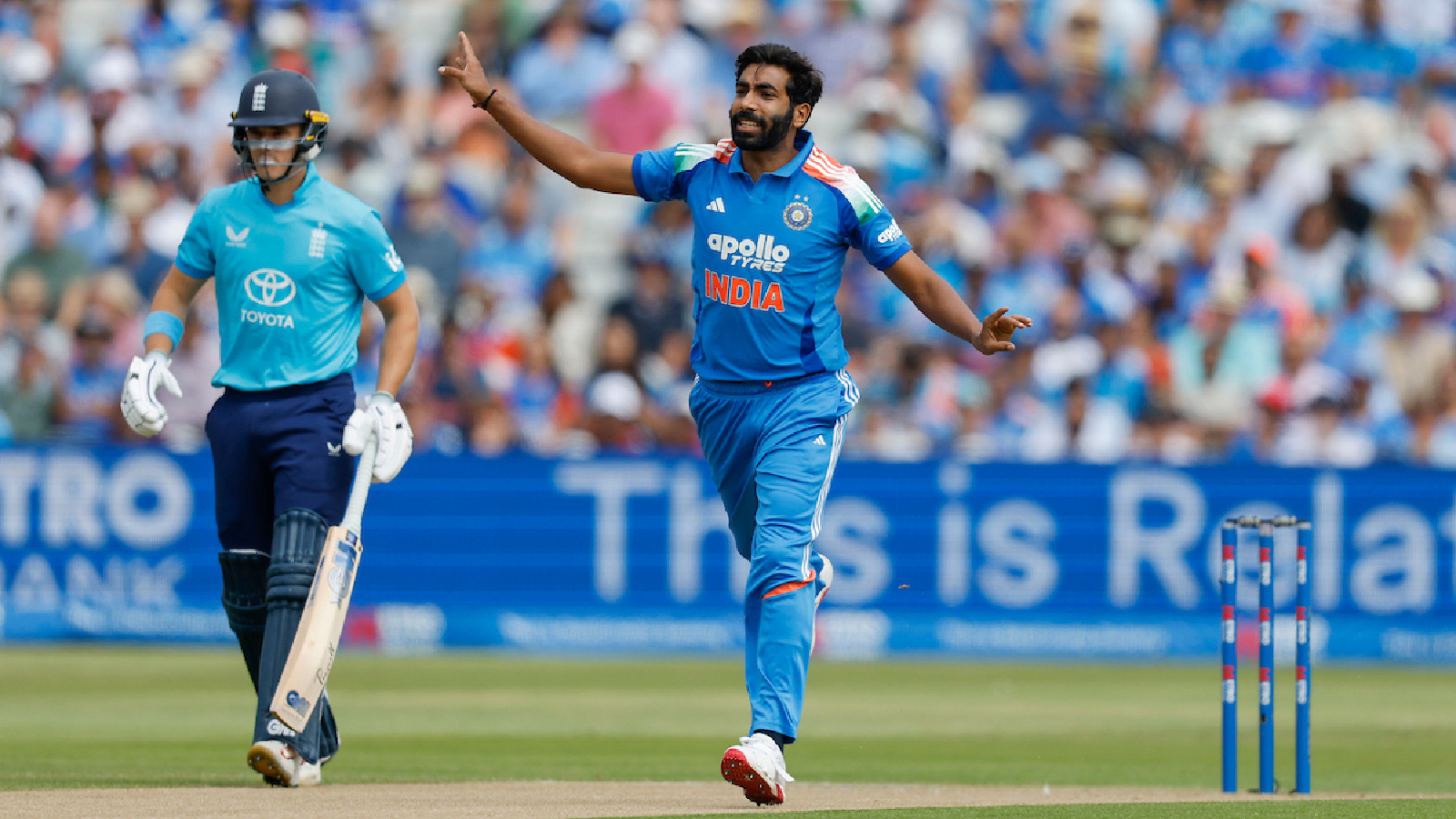
For India, the shift has exposed a more specific chink: their pacers have struggled to exploit the older ball. With the three-match ODI series against the West Indies beginning Sunday, India enter the last 12 months before the 2027 World Cup still searching for clarity in the phase.
India have played 15 ODIs since the rule change, with neither their batting nor bowling among the best in overs 35-50.
There is a reasonable explanation for the rise in batting averages across the three World Cups before 2023 — from 29.97 in 2011 to 32.91 in 2015 and 33.36 in 2019. The subsequent drop-off is harder to explain.
Since 2021, ODI batters have averaged 28.23, identical to the 2007-10 era when they collected 28.24 runs per wicket.
One explanation was the changing behaviour of the white Kookaburra ball, with batters experiencing tougher starts against pace in the first Powerplay.
Since the change, teams have scored 80.20 runs per innings in overs 35-50, down from 86.14 between 2012 and 2020.
According to Cricket-21 data, pacers from the top-10 ODI nations now average 24.8 in overs 35-50, compared to 26.3 before the change.
The broader trend has not translated to the 2023 World Cup finalists. While pacers from the top 10 ODI nations have improved their returns with the older ball since the rule change, India’s fast bowlers have gone sharply the other way. Their average in overs 35-50 has risen from 23.5 to 32.1, while their economy rate has climbed from 6.9 to 7.9.
Pacers in ODIs (Top 10 teams) between Jan, 2021 and July 1, 2025 (from Cricket-21) Wkts – 1103, Econ – 7.5, Avg – 26.3, Balls/Wkt – 21.2 Indian pacers in ODIs between Jan, 2021 and July 1, 2025 Wkts – 119, Econ – 6.9, Avg 23.5, Balls/Wkt – 20.4
Pacers in ODIs (Top 10 teams) since July 2, 2025 Wkts – 236, Econ – 7.2, Avg – 24.8, Balls/Wkt – 20.6 Indian pacers in ODIs since July 2, 2025 Wkts – 27, Econ – 7.9, Avg – 32.1, Balls/Wkt – 24.4
They have also lacked a settled bowling group capable of exploiting the old ball.
India have deployed nine seamers in 15 matches in this phase, yielding 27 wickets, without settling on their strongest attack.
Jasprit Bumrah has played two matches without a wicket in the old-ball phase. Mohammed Siraj has three wickets in four games. Harshit Rana and Gurnoor Brar have averaged over 40, leaking above eight runs per over. Arshdeep Singh has fared better with six wickets at a sub-7 economy. Prasidh Krishna leads the group with eight scalps, though his economy of 8.78 raises questions over consistency.
There is still time to correct course. With 14 ODIs in the next four months, India have a window to establish plans and personnel for their old-ball problem before the World Cup.
Lalith Kalidas is a Deputy Copy Editor with the sports team at The Indian Express (digital), where he specializes in cricket coverage. Based on his profile and recent work, here are the key details about him: Professional Background Role: He works with the online sports desk, focusing primarily on the happenings in the cricket world, with a specific interest in India's domestic cricket circuit. Expertise: He is known for data-driven stories and statistical analysis. He writes a weekly stats-based column titled 'Stats Corner'. Experience: He has over five years of experience in sports journalism. Before joining The Indian Express in February 2024, he worked for Sportstar (part of The Hindu group). Education: He holds a Bachelor of Journalism degree from Madras Christian College. Sports Background: He is a former cricketer who represented Kerala in state-level tournaments, which often informs his technical analysis of the game. Notable Recent Work & Beats Series Coverage: He has been extensively covering the India vs. South Africa series (2024–2025), including tactical breakdowns of players like Yashasvi Jaiswal, Shivam Dube, and Abhishek Sharma. Investigative Journalism: He recently authored a major investigative series for The Indian Express regarding the Cricket Association of Puducherry (CAP), exploring issues like "short-cuts" to the big leagues, dodgy records, and how a private firm took over the association. Major Events: He was part of the team that covered the 2023 ODI World Cup held in India. IPL Analysis: He provides in-depth coverage of the IPL auctions and the rise of uncapped players. You can follow his latest articles and updates on his Indian Express profile page or via his social media links (X/Twitter and LinkedIn) listed there. ... Read More
Stay updated with the latest sports news across Cricket, Football, Chess, and more. Catch all the action with real-time live cricket score updates and in-depth coverage of ongoing matches.