Nolan Wells’ Mom Questions Grand Jury Report: ‘No Explanation’ - Newsweek
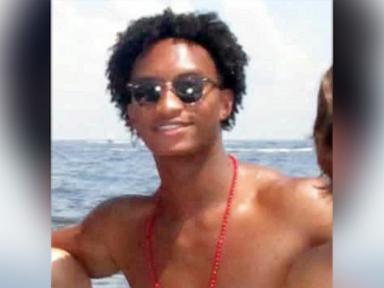
The mother of Nolan Xavier Wells, an 18-year-old college football player whose body was found on Mississippi's Horn Island in July, said there are more questions after an independent autopsy concluded that his cause and manner of death should remain "undetermined" and identified unexplained blunt-force injuries to the back of his head and body.
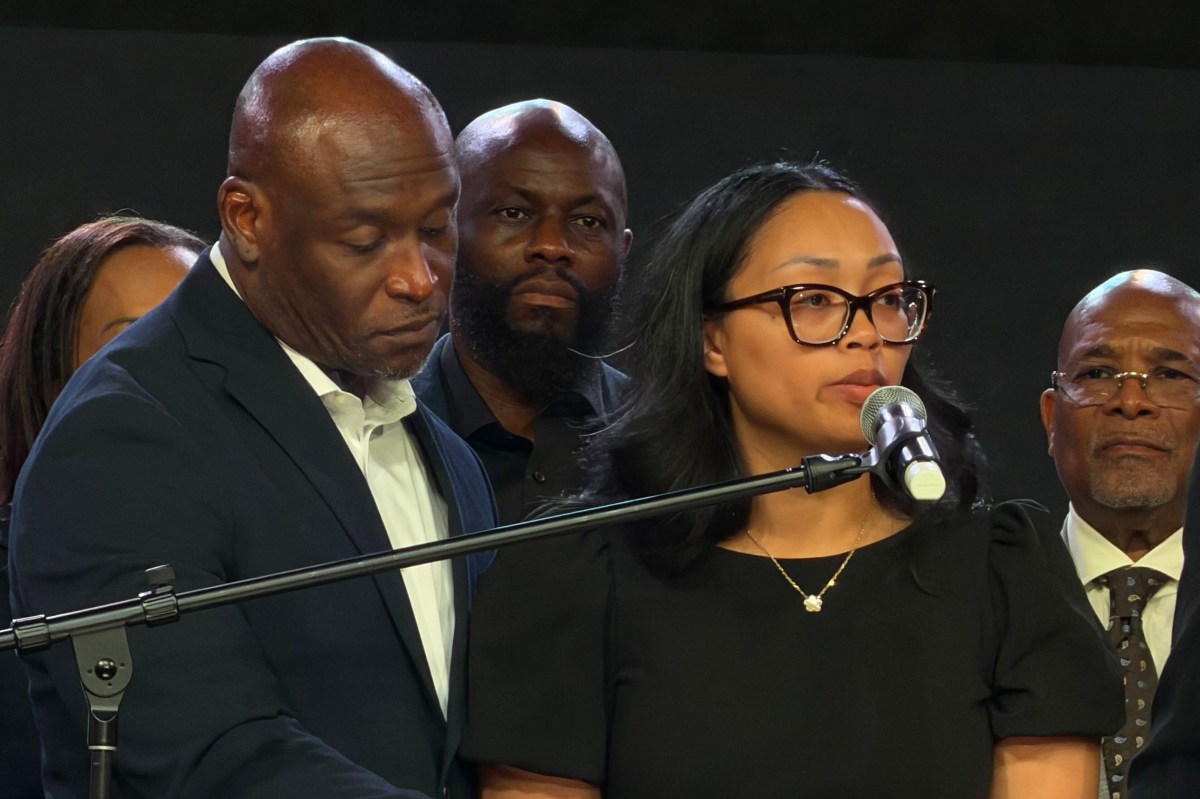
Speaking at a news conference alongside civil rights attorney Benjamin Crump, Christine Wonsley, Wells' mother, questioned the conclusions reached during the investigation and criticized a grand jury's decision not to bring charges.
Wonsley said she learned of the release of the grand jury documents through a text from Angel Myers McIlrath, district attorney for Mississippi's 19th Circuit Court District, shortly before seeing a video from McIlrath on Facebook.
"Last night at 7:54 p.m. I received a text message from the DA informing Elmore and I that the grand jury report had been filed earlier in the day. Shortly after this text message, she released information via Facebook," Wonsley said through tears, adding, "To me, that action showed a lack of empathy and a need to get this case done and over with."
"Elmore and I have read through the report page by page more than once. What we have learned is that we still have no answers, and the report reinforced the fact that Nolan was not given a thorough, transparent, and honest investigation," Wonsley said. "There is no explanation as to how the bruising on his body and the blunt force trauma to the back of his head occurred. Please remember that both medical examiners, as well as his death certificate, states that the cause and his death is undetermined.
"So my question is: How can a jury come to the conclusion of drowning, despite knowing that there was trauma to his body, and despite hearing many inconsistencies, Elmore and I do not believe that Nolan simply and accidentally drowned, and nobody saw anything, and no one knows anything," Wonsley continued through sobs, "Last night was a reminder that our son's life does not matter to those who hold positions that are supposed to serve and protect the public."
The case has drawn national attention because of lingering questions surrounding how Wells died during a Fourth of July weekend outing with friends on Horn Island. While authorities presented evidence to a Jackson County grand jury, the panel ultimately declined to indict anyone in connection with the death, according to the county's released report.
Questions about race surfaced early in the case, with attorneys for Wells' family arguing that authorities moved too quickly to characterize the death as an accidental drowning and later accusing investigators of failing to fully pursue unanswered questions surrounding the death of the 18-year-old Black college athlete who traveled to the island with his White friends.
At the news conference, Crump said the family was seeking the same commitment to finding the truth that has been afforded in other high-profile cases involving young people, while also noting that he could not say whether race directly contributed to Wells' death.
The family's legal team argues significant questions remain unanswered about injuries identified during both the state and independent autopsies. They contend those findings warrant continued scrutiny rather than closing the case.
During the news conference, Crump said authorities were effectively asking the public to accept three words: "We'll never know."
"But I say there are three different words which should come to the front of your mind when you think of Nolan Xavier Wells, and those three words are blunt force trauma," he said.
A final report prepared by forensic pathologist Dr. Roger Mitchell Jr. found that Wells "sustained recent unexplained blunt-force injuries to the back of the head and additional areas of his back." The report concluded that both the cause and manner of death should be classified as "undetermined."
According to Mitchell, an area previously described as a "red discoloration" was later confirmed to be blood, consistent with bruising to the back of Wells' head.
The report states that the original Mississippi forensic pathologist had also documented two scalp contusions during the first autopsy.
The independent autopsy further identified what Mitchell described as probable bruises on Wells' lower back and upper back that were visible in autopsy photographs but were not documented in the original autopsy report.
Mitchell wrote that investigators focused heavily on drowning as a possible explanation for Wells' death but emphasized that "drowning is a 'diagnosis of exclusion,'" meaning other potential causes must first be ruled out.
The report states that available evidence does not definitively establish Wells' condition before entering the water, whether he entered voluntarily or was forced, whether he was conscious or impaired, or why he was unable to get out of the water despite reportedly being able to swim.
Mitchell also questioned the interpretation of toxicology results, noting that ethanol testing was conducted on decomposition fluid rather than blood and therefore could not reliably determine Wells' blood-alcohol concentration before death.
In explaining the significance of the injuries, attorney Lisa Park said at the news conference that the bruising appeared to have occurred shortly before Wells died.
"What Dr. Mitchell found... is that he then had access to the first medical examiner," Park said. "Now we know it was blood."
She added: "We know, because there are no white blood cells, that this injury happened within about four hours of his death."
According to the Jackson County grand jury report, jurors concluded that the condition, location and circumstances under which Wells' body was discovered were consistent with drowning.
The independent autopsy report notes that the original Mississippi medical examiner officially certified both the cause and manner of death as "undetermined."
Crump argued that unanswered questions surrounding the blunt-force injuries should have remained central to the investigation.
"The grand jury left us with questions," he said. "Nolan's family deserves answers."
He repeatedly pointed to what he described as unexplained injuries identified by both pathologists.
"What caused recent blunt force trauma to his head?" Crump asked. "Did it contribute to his death?"
Neither the independent autopsy nor remarks from the family's attorneys identified a definitive cause of death or alleged who, if anyone, may have been responsible. Instead, they argued the evidence remains inconclusive and requires further investigation.
The NAACP is now urging the U.S. Department of Justice to open an independent federal investigation into Wells' death, arguing that significant questions remain unanswered despite the grand jury's decision.
Speaking at the news conference, Kristen Clarke, former assistant attorney general for the Justice Department's Civil Rights Division and now general counsel for the NAACP, said the organization was bringing "the full breadth of our resources" to the case and vowed, "We are not going anywhere."
She added that "every family in our country deserves answers when a loved one dies under suspicious circumstances. Period. Nolan's family is no different."
Clarke criticized the handling of the case and called for greater transparency, saying: "Your job is not done. This is not over. You have a duty to press forward in pursuit of the truth."
Noting that the grand jury report referenced federal involvement, she questioned what role federal authorities had already played and echoed the Congressional Black Caucus' call for "a full and independent Justice Department investigation."
Clarke argued that because Horn Island is managed by the National Park Service, "there is a reason for this government, our government, to commit more resources to providing answers to this family."
She said the NAACP would continue supporting the Wells family "until we find out what happened to Nolan Wells."
A spokesperson for the DOJ told Newsweek in an email Tuesday that no evidence was found to indicate a crime or foul play. They noted that the FBI agreed with that assessment after assisting in the investigation.
Following the grand jury's decision, District Attorney McIlrath defended the investigation and said authorities found no evidence supporting criminal charges.
In remarks shared after the grand jury's findings were released, McIlrath said an "exhaustive investigation" included "132 subpoenas, 43 sworn witness testimonies, extensive digital forensics, and independent pathology reviews." She said investigators found "no evidence of foul play or criminal conduct" connected to Wells' death.
McIlrath said in the video the evidence presented to the grand jury supported its conclusion not to indict anyone, characterizing the inquiry as one of the most comprehensive investigations her office has handled. According to the district attorney, prosecutors and investigators reviewed witness statements, forensic evidence, cellphone data and pathology findings before presenting the case to jurors.
The family's attorneys have strongly disputed that conclusion, arguing that unexplained blunt-force injuries identified by both the state and independent pathologists warrant additional investigation.
At a news conference, attorney Crump questioned whether the inquiry was truly exhaustive, saying: "Was it exhaustive, or were they just exhausted?" while urging authorities to continue investigating the circumstances surrounding Wells' death.
This disagreement over whether the evidence has been fully examined has become the central divide between prosecutors, who say the investigation found no basis for criminal charges, and Wells' family, who maintain significant unanswered questions remain.
The Wells family's legal team says its investigation will continue despite the grand jury's decision.
Mitchell recommended that the case remain open while investigators continue examining the circumstances surrounding Wells' injuries, movements before entering the water, witness accounts and any additional evidence that could clarify what happened.
"The investigation should remain open and active until the circumstances surrounding the blunt-force injuries, the events immediately preceding entry into the water, the decedent's level of consciousness and functional capacity, witness observations and timeline, and any potential intervening non-accidental factors can be definitively established," Mitchell wrote.
At the news conference, Crump announced additional public presentations of evidence, including a planned review of cellphone extraction data.
"We're very encouraged by the young people saying, 'No, we just got to know the truth of what happened,'" Crump said. "We'll never stop until we find out the truth."
The family, backed by supporters and clergy leaders, has pledged to continue seeking answers about the circumstances surrounding Wells' death while pressing authorities to keep the investigation active.
Newsweek’s reporters and editors used Martyn, our AI assistant, to produce this story. Learn more about Martyn here. Contact Newsweek editors on this story: Samantha Beech and Gray R. Thomas