Mumbai: India’s vibrant city of dreams - IOL
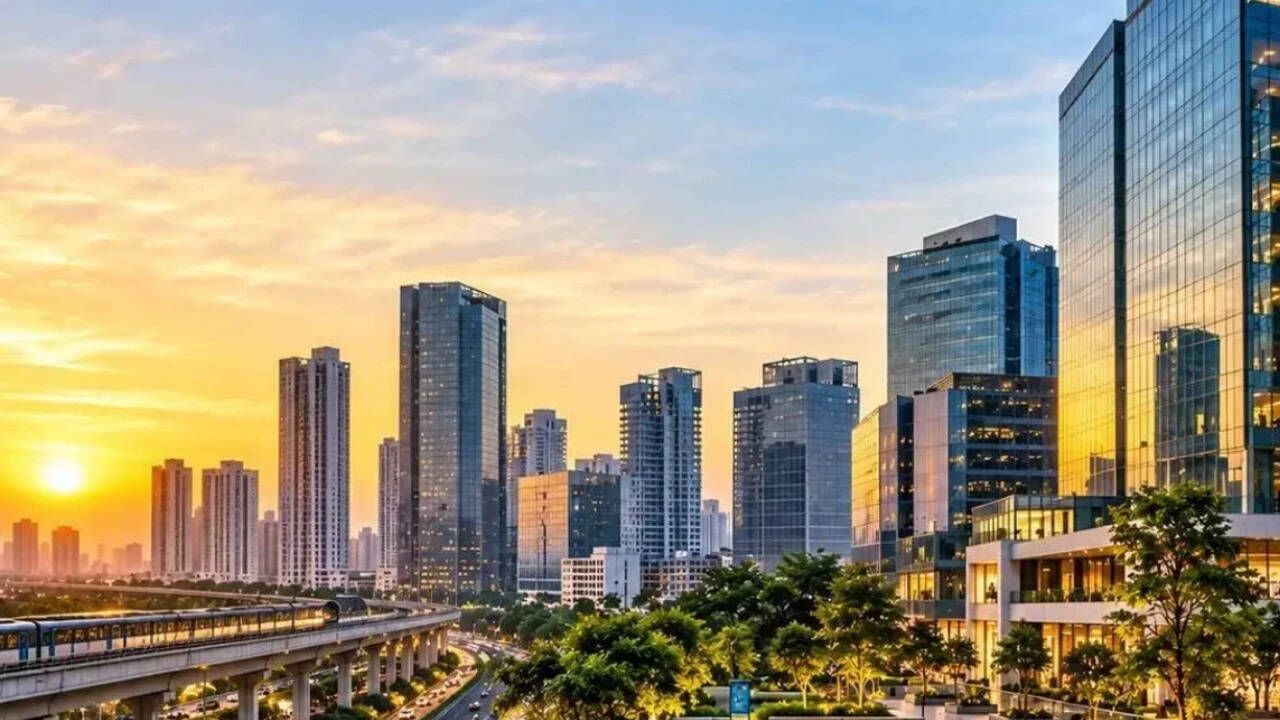
For most people, the phrase “the city that never sleeps” conjures up images of New York. But 12 500 kilometres away, another city has earned the same nickname: It is Mumbai, India’s largest city, with a population of more than 21 million.
It is a teeming, pulsating metropolis where shanty towns dot the coastline and the poor live cheek by jowl with the rich. Luxury high-rise buildings tower over blue canvas-covered shacks, and the contrast seems as natural as breathing to Mumbaikars.
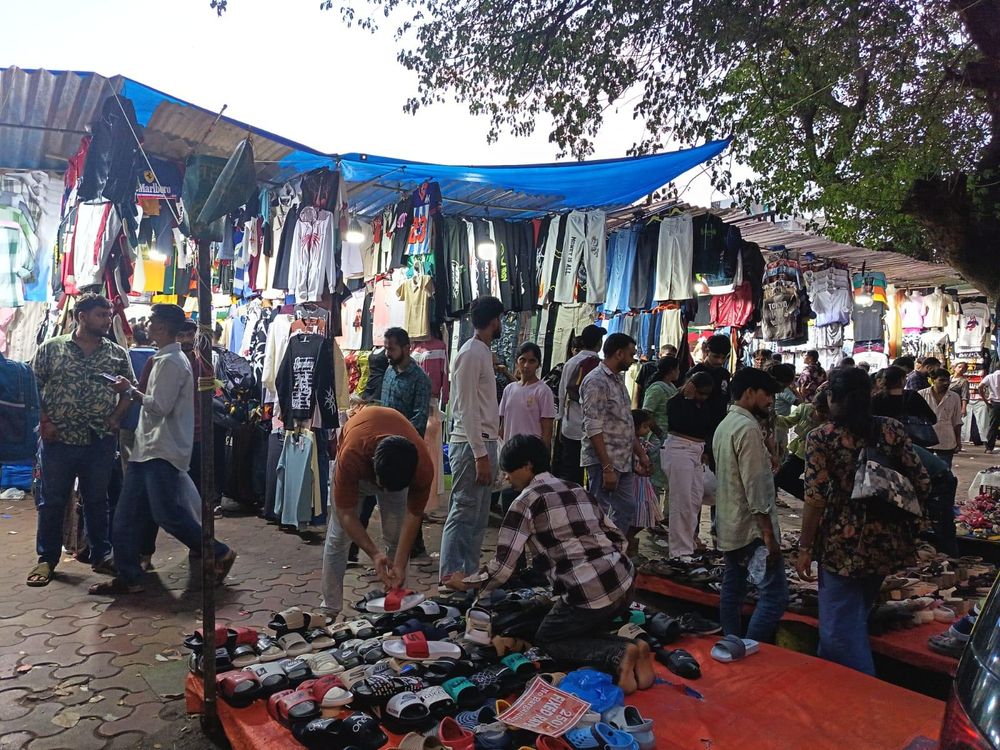
For a group of foreign journalists who visited Mumbai after covering the 18th BRICS Summit in New Delhi, courtesy of India’s Ministry of External Affairs, the sight of makeshift shops virtually at the doorstep of our luxury five-star hotel, The St Regis, was something of a shock to the system.
But we were soon overtaken by a sense of awe as we caught a glimpse of the real Mumbai – colourful, chaotic, entrepreneurial, diverse, and exhilarating.
The city, a composite of seven islands on India’s western coast along the Arabian Sea, is the country’s financial heart. People from across India flock to Mumbai in search of economic opportunities, many hoping to make it big in the multibillion-dollar film industry for which the city is famous. Little wonder, then, that the city that never sleeps is also known as the “City of Dreams”.
Home to Asia’s oldest stock exchange, the Bombay Stock Exchange, as well as the Reserve Bank of India, Mumbai is India’s richest city and boasts the country’s highest concentration of millionaires and billionaires.
Colonised by the Portuguese and later the British, Mumbai’s colonial legacy is evident in the architecture of many of its public buildings, including the magnificent Municipal Corporation building.
One of the city’s most iconic tourist attractions, the Gateway of India, is also a legacy of British rule. Located on the waterfront of Mumbai Harbour, it was built by the British Raj to commemorate the 1911 visit of King George V and Queen Mary. It later became a powerful symbol of the end of British rule: the last British troops to leave India after independence passed through the gateway, with a 21-gun salute marking their departure.
A ferry trip to the Elephanta Caves, east of the Gateway of India, offered another reminder of India’s extraordinary artistic talent and rich cultural heritage.
Perched atop a hill, the ancient cave temples required a climb of 120 steps to reach. Dedicated to the Hindu god Shiva, the 5th - 7th-century rock-cut temples were brought vividly to life by our guide, Dilshaad Modak, who explained the history behind the remarkable complex.
It is difficult to imagine that the massive, awe-inspiring rock sculptures, with their intricate details, were painstakingly carved by hand by local artisans using simple tools such as iron chisels, hammers and wedges. The artistry is breathtaking.
A visit to Mumbai’s Film City provided a welcome opportunity for the tired journalists to let loose. We wandered through sets where popular Bollywood films and game shows such as Kaun Banega Crorepati, featuring larger-than-life Bollywood icon Amitabh Bachchan, have been filmed, and where generations of India’s most celebrated actors have worked.
The highlight was getting the chance to don the glamorous costumes worn by Bollywood stars – a moment of pure fun after days of intense BRICS coverage.
Of course, no visit to Mumbai would be complete without exploring its bustling markets and bazaars, where beautiful Indian garments, colourful kurtis, saris and handmade shoes are sold at remarkably affordable prices.
Equally alluring are the city’s high-end shopping centres, offering international and local designer brands at competitive prices. Armed with some rands, the three South African journalists in the BRICS contingent hit the shopping scene.
I soon discovered an impressive talent for bargaining, went a little over budget and returned home with considerably more shopping bags than I had planned.
All in all, Mumbai was fascinating. The few days we spent in India’s City of Dreams turned out to be among the most memorable of my overseas trips.
Fawzia Moodley is a freelance journalist/editor/communications specialist with vast experience in print and broadcast media.