MK Party wants answers over delayed election results in KwaZulu-Natal - IOL
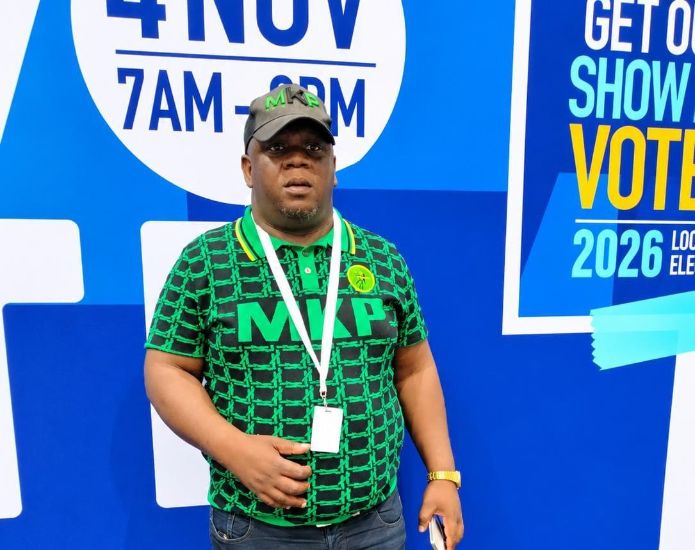
MKP representative Mlengane said they were concerned that results from several wards where its volunteers and party agents believed it had secured strong support had not yet reflected on the Independent Electoral Commission's (IEC) results system.
The uMkhonto weSizwe Party (MKP) in KwaZulu-Natal says results from wards where it expects strong support have not yet appeared on the IEC system, but has not lodged a formal appeal or made widespread allegations of wrongdoing.
MKP representative Mlengane said they were concerned that results from several wards where its volunteers and party agents believed it had secured strong support had not yet reflected on the Independent Electoral Commission's (IEC) results system.
“We are worried about the slow capturing of the results, particularly in municipalities where we know we did very well in KZN. There are wards where we are very sure, through our volunteers and party agents, that we have done well, and those results are yet to come through,” he said.
Mlengane said the party's concerns were partly informed by its experience during the 2024 elections, when it questioned whether the final results reflected what it had expected.
He said the party had raised the matter with the IEC but had not lodged a formal appeal.
Asked whether the delays were administrative, Mlengane said the party would leave it to the commission to explain.
“Yesterday they told us it was because of the length of the ballot paper, particularly in eThekwini, which makes it a bit strenuous for them because it takes longer to capture the results,” he said.
However, he said the explanation had not completely addressed the party's concerns, adding that its supporters were eager to see the party's performance in the province.
Mlengane said the party had not made widespread allegations about the process and wanted the IEC to provide a satisfactory explanation for the delays.
He said it was up to the commission to clarify whether the slow pace of capturing could have any bearing on the overall results.
At the time of the interview, with approximately 70% of results captured in KwaZulu-Natal, the MKP was polling at 34.40%, had been allocated 221 wards and was in control of three councils.