Midterm Voters Live in Trump’s Two Economic Realities - Newsweek
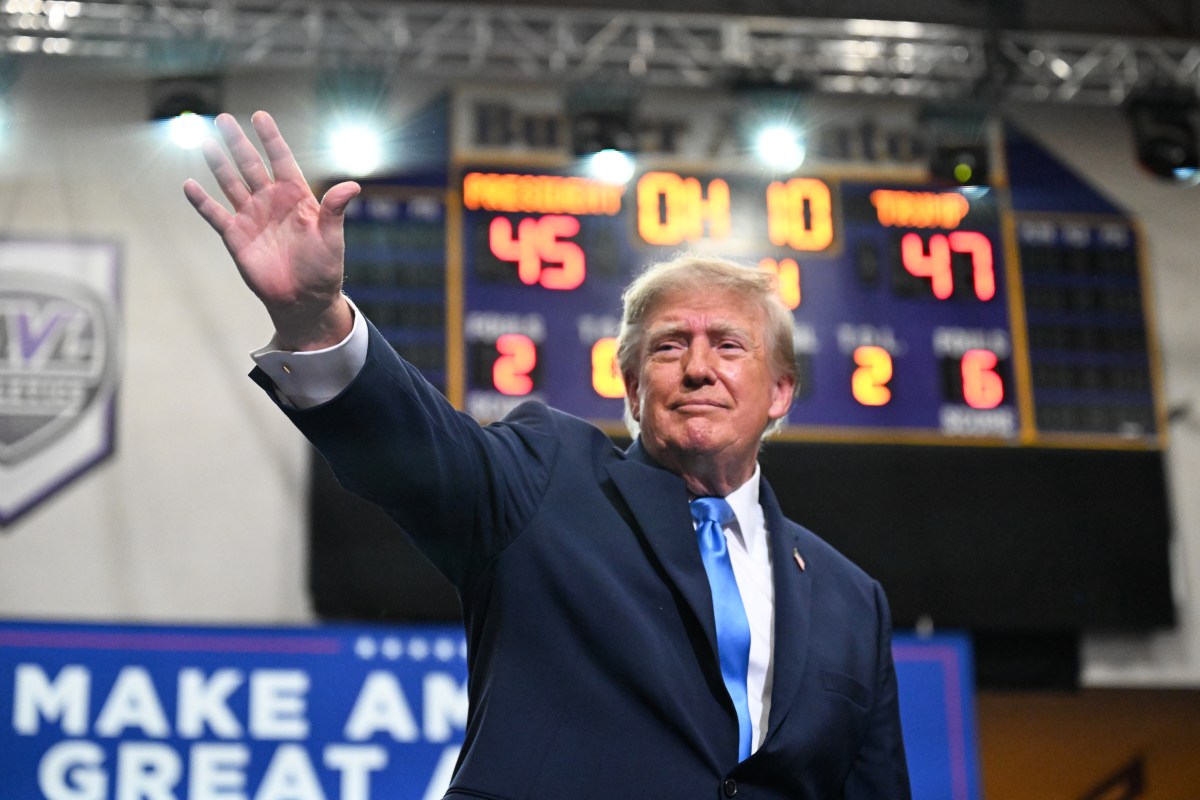
Donald Trump’s administration has been stacking up some economic wins as of late as his Republican Party candidates prepare for the midterms.
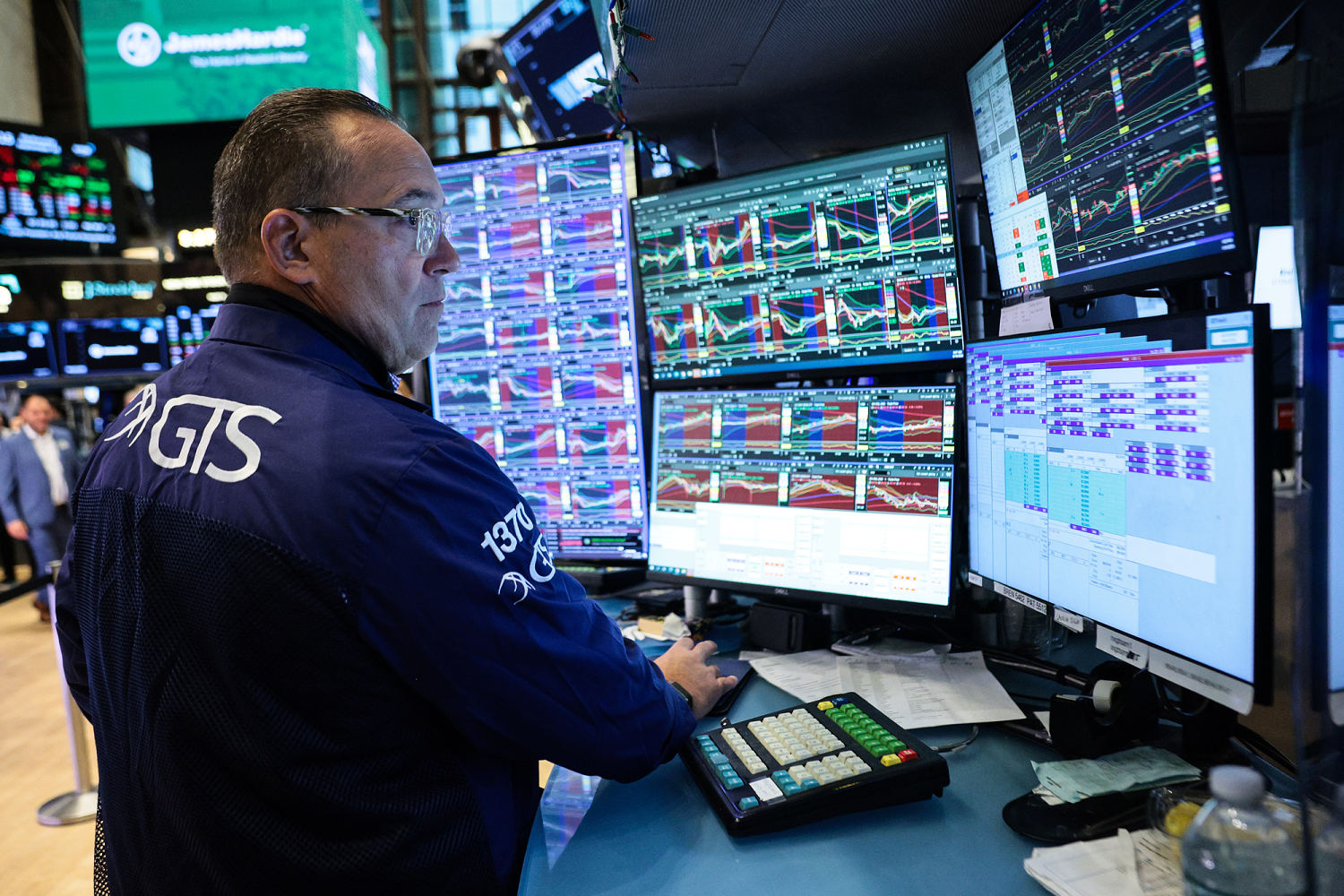
GDP grew at a 2.2 percent annual rate in the second quarter and is on track for more growth in Q3, and the labor market is holding firm. Wall Street is also enjoying itself—the S&P 500 ended Friday up 12.8 percent this year and less than 1 percent below its record. The Nasdaq is up 17 percent.
And yet, the latest polls suggest most Americans couldn’t care less. A poll published last week by the AP-NORC Center for Public Affairs Research found 26 percent of Americans approve of the U.S. president’s handling of the economy overall. That number falls to just 17 percent for Trump’s handling of the cost of living—a record low across both of his presidential terms.
That’s because the economy is doing well—for people like Donald Trump. Most Americans are not like Donald Trump, and his administration’s impressive growth statistics and booming corporate profits are not the kind of numbers most Americans encounter on a daily basis. Those are found on the sign outside the gas station and at the bottom of the grocery receipt.
The president and some of his officials appear confused and thoroughly upset as to why a large portion of the electorate doesn’t seem to appreciate the administration’s hard work.
National Economic Council director Kevin Hassett complained on CNN Sunday, "If I say, ‘oh, people are wrong, the economy is great,’ then it looks like I’m insensitive," he said. "And if I then go into why the economy is great, then it looks like I’m insensitive." Hassett nevertheless argued that strong consumer spending figures suggested the polls were misreading how Americans actually felt about the economy, eventually telling Jake Tapper flat out: ‘I would say the pollsters are wrong.’ "
Trump himself has lamented his administration's "bad public relations job" on the economy. Speaking at a celebration of Hispanic Heritage Month at the White House on September 30, he admitted that he had done "a very bad job of explaining" how well the country is doing—then immediately followed that admission with, "We’re doing better than any country in the world economically…Even President Xi, the first thing he said to me, ‘Wow, you’ve done a good job.’ "
To get people to the polls and ensure they check the right box, the president has promised a $5,000 "Trump dividend" to every adult American citizen if Republicans retain both the House and Senate in November. The payouts, which Trump says would be financed by tariff revenue, would cost roughly $1.2 trillion according to AP estimates.
But that marketing tactic seems to have failed, judging by the AP-NORC research, because there are two realities when it comes to the American economy.
Not only do most citizens experience the version that Trump—thanks to his family background and career—has been insulated from, but the president has spent months dismissing their basic concerns.
The latest figures released by the Energy Information Administration put regular gasoline at $4.47 a gallon, $1.35 higher than a year ago. Diesel is $6.38, an extraordinary $2.63 higher than this time last year. Grocery prices remain higher, too: the Agriculture Department’s September update says food-at-home prices are 2.2 percent higher than last year; restaurant food is up 3.4 percent
Yet Trump has repeatedly treated those complaints as something to be argued away.
When gasoline hit $4 a gallon in August, Trump told Americans, "You have to pay a tiny bit more" to stop Iran from getting a nuclear weapon. "I’ll never apologize. I did the right thing," he concluded.
By September, Trump was attacking the language itself. He called "affordability" a word Democrats had "made up"; days earlier he had described the affordability argument as "fake." And at the Republican convention in Dallas, he mimicked voters complaining about gas prices, saying, "Guys come up, you know, ‘I wish you didn’t do that war in Iran, gasoline’s up, ba, ba, ba.’"
Even last week, after weeks of polling showed growing dissatisfaction with the economy, Trump told supporters in Alabama: "You’re paying a price, but boy, is that a small price" compared with allowing Iran to acquire a nuclear weapon.
If the White House really wants Americans to judge the economy—and the Republican candidates running for office next month—by GDP growth, the state of the markets, and investment, then Trump is absolutely correct when he says he’s done a bad job of communicating with the public.
The Federal Reserve’s latest distributional data show the richest 10 percent of households in America own around $57 trillion in corporate equities and mutual-fund shares. The bottom half own $370 billion. That sounds like a lot, but it equates to roughly 0.6 percent of the total.
A roaring stock market looks like great news on paper, but its rewards are simply concentrated among people who own lots of stock. Unfortunately, voters are more likely to judge the economy and the candidates running for office on what is left in their wallet after they have filled the car and bought dinner.