Midterm shockwave - tech, oil, and the great rotation - The Business Times
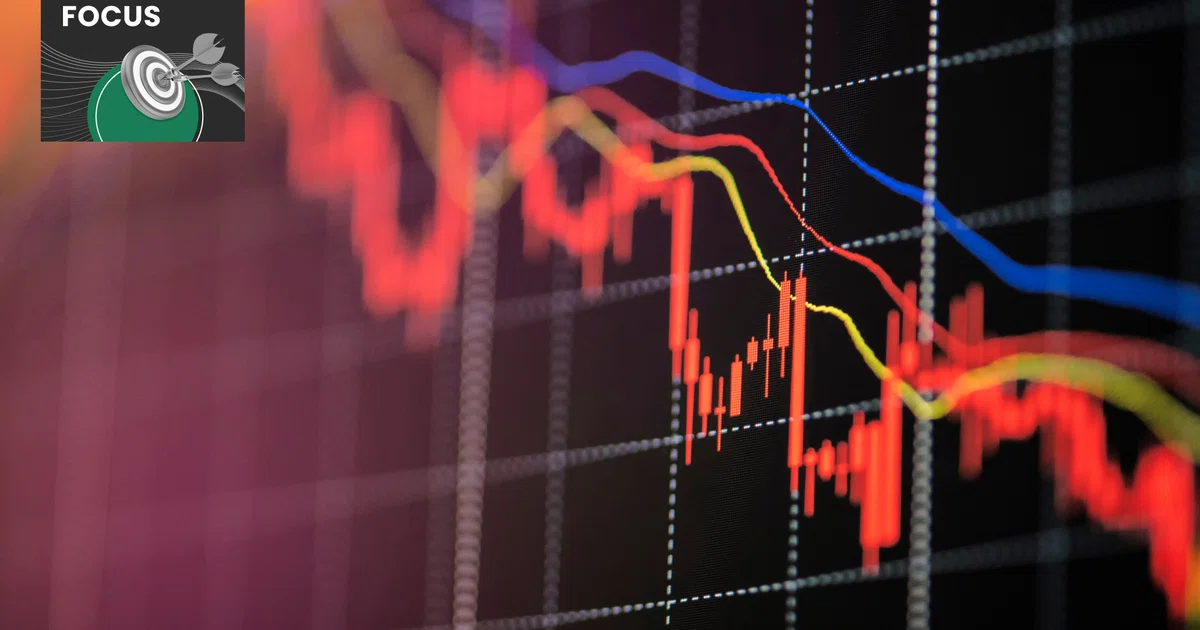
Trillions wiped overnight. Gold at US$4,000. Markets reeling from a Democratic sweep. Howie Lim and Saxo's Charu Chanana decode the chaos and what comes next.
The political earthquake of the US midterm elections has sent immediate, violent shockwaves across global markets. With Democrats capturing majorities in both the Senate and the House, investors are abruptly reassessing the future of aggressive AI capital expenditures, soaring energy demands, and stringent regulatory scrutiny. Trillions have been wiped from tech-led indexes, leaving major Asian markets tumbling and investors scrambling for safety. Is this merely a temporary correction, or a fundamental reset of the entire tech-driven cycle?
In this week’s episode of Market Focus Weekly, a podcast by The Business Times, Howie Lim sits down with Charu Chanana, chief investment strategist at Saxo.
Chanana has advice on how to identify true defensive pillars, and position your portfolio for what comes next. Listen now.
Discover more episodes at bt.sg/podcasts. Got feedback? Email us at btpodcasts@sph.com.sg.
Written and hosted by: Howie Lim (howielim@sph.com.sg)
Do note: This podcast is meant to provide general information only. SPH Media accepts no liability for loss arising from any reliance on the podcast or use of third party’s products and services. Please consult professional advisors for independent advice.
BT Money Hacks at: bt.sg/btmoneyhacks
Decoding Asia newsletter: your guide to navigating Asia in a new global order. Sign up here to get Decoding Asia newsletter. Delivered to your inbox. Free.
Market Focus Weekly distils the week’s key market moves and economic drivers across Singapore and the region. Hosted by Emily Liu, it delivers expert analysis and forward-looking insights every Friday. It is perfect for investors who want an audio briefing on the week’s investment landscape and what could move markets next.
China Investment Corp, PGIM’s 50% stake in Nex mall up for sale; asking about S$1.2 billion
Higher rates, weaker spending: Is the Philippines entering stagflation?