
Manga master Tetsuya Chiba dies aged 87 - Bangkok Post
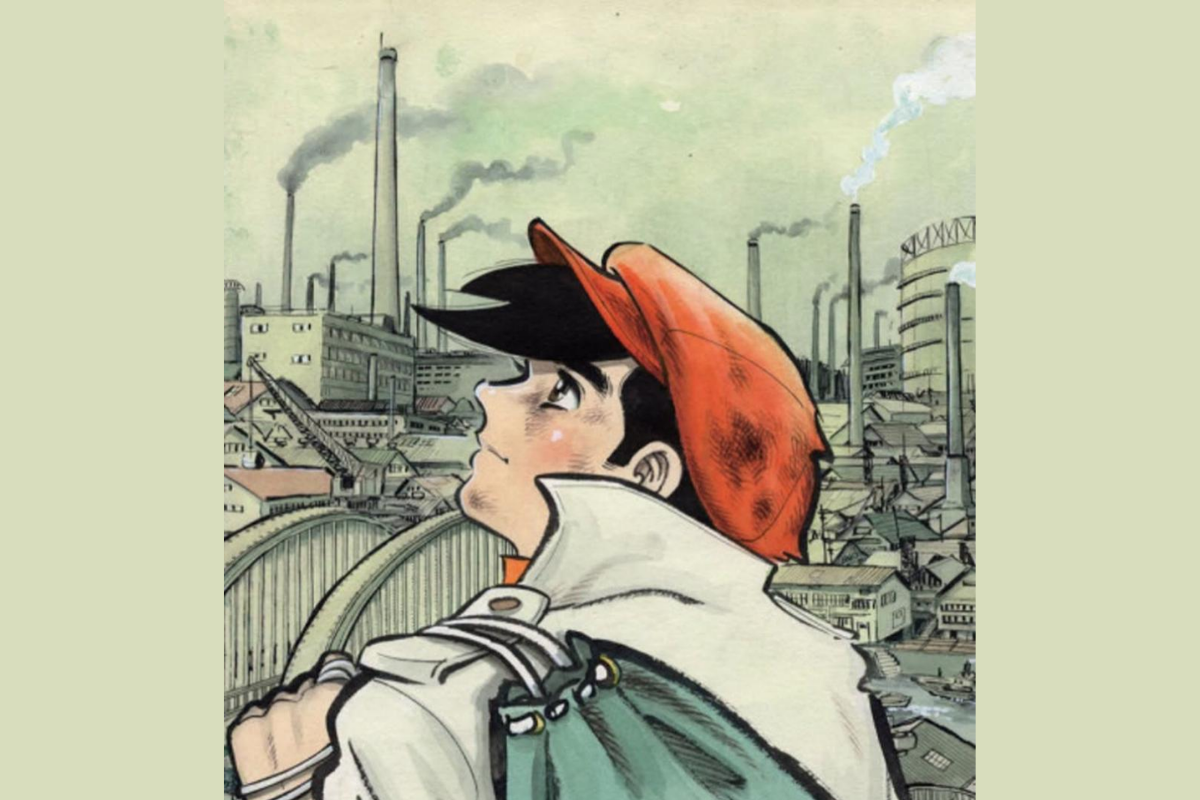
The manga world has lost one of its most influential storytellers. Tetsuya Chiba, the celebrated Japanese artist best known for the iconic boxing manga Ashita No Joe (1970), has died at the age of 87.
His death marks the end of a remarkable career spanning seven decades, during which he helped establish sports manga as a powerful storytelling form, combining physical struggle and personal ambition with a profound understanding of human nature.
Born in Tokyo in 1939, Chiba spent much of his early childhood in the Korean Peninsula and Japanese-controlled Manchuria, now part of northeastern China. His family returned to Japan in 1946, following the end of World War II.
He developed an interest in drawing manga during his childhood and began his professional career in 1956, at just 17. Initially creating comics for girls, he later turned to stories aimed at boys, gradually establishing himself as a distinctive voice in Japan's expanding manga industry.
Chiba's breakthrough came with Shidenkai No Taka (1963), a story about a wartime fighter pilot, followed by Harris No Kaze (1965), a sports-themed series that became a popular television anime.
However, his most enduring achievement arrived in 1968, when he collaborated with writer Asao Takamori, better known by the pen name Ikki Kajiwara, on Ashita No Joe (Tomorrow's Joe), which ran until 1973.
The series followed Joe Yabuki, a rebellious young orphan who discovers boxing and dedicates himself to becoming a professional fighter. More than a tale of sporting triumph, it explored poverty, rivalry, sacrifice and the determination to rise above one's circumstances.
Chiba's expressive artwork brought the bruising intensity of the boxing ring to life while capturing the vulnerability beneath his characters' toughness. The manga became a national sensation, so powerful that fans even held a mock funeral for one of its fictional characters.
Its influence extended beyond entertainment, making Joe an enduring symbol of youthful defiance and aspiration in postwar Japan.
Chiba continued exploring competition and personal growth in other popular works, including Ore Wa Teppei (1973), a well-known manga among Thai readers, about a spirited young kendo practitioner, and Notari Matsutaro (1973), which centred on the world of sumo wrestling. The former ran until 1980, while the latter continued, with a break, into the late 1990s.
Chiba's stories demonstrated that sport could serve as a vehicle for examining character, relationships and the complexities of everyday life. Through their emotional depth and lively visual storytelling, his works influenced generations of manga artists and helped shape the development of the genre.
His contribution received historic recognition in 2024, when he became the first manga artist to receive Japan's prestigious Order of Culture, one of the country's highest cultural honours. The distinction acknowledged not only his individual achievements but also manga's place as an important part of Japan's cultural heritage.
Chiba also devoted himself to supporting the next generation of creators, including through the award bearing his name, established to encourage emerging manga talent.
Tetsuya Chiba leaves behind a body of work that transcended the boundaries of sports and popular entertainment.


