Making Democracy Work: Every Sector, Every Citizen - IOL
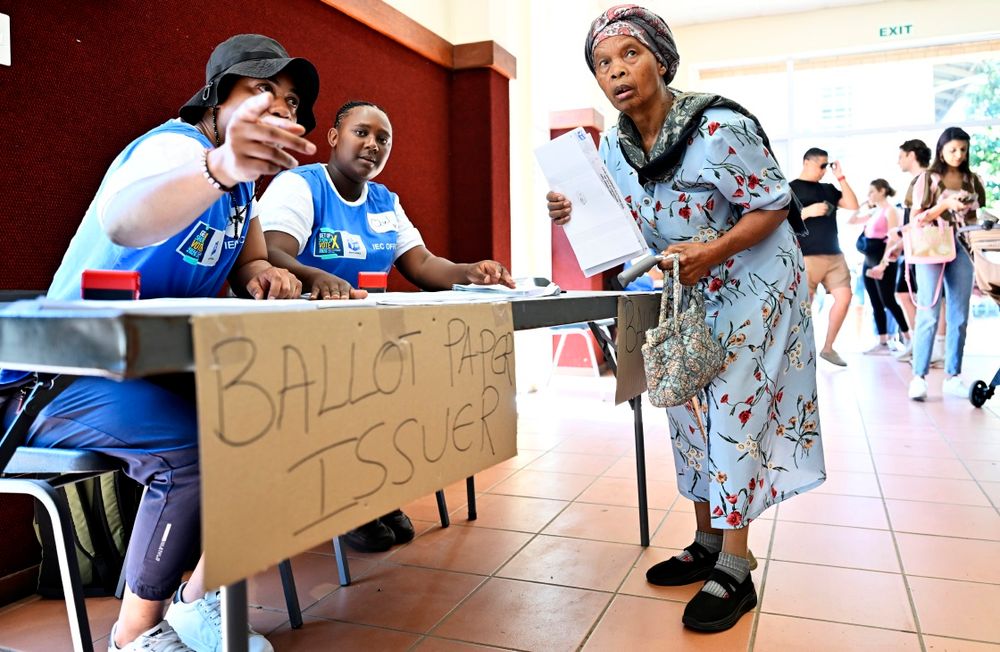
Citizens cast their vote at the Hyde Park High School, Johannesburg, during the 2026 Local Government Elections. South Africa’s democratic promise depends on ethical leadership, capable municipalities, sound finances and citizens who participate in public life, writes Abu Karolia
The elections are over. The responsibility to deliver begins.
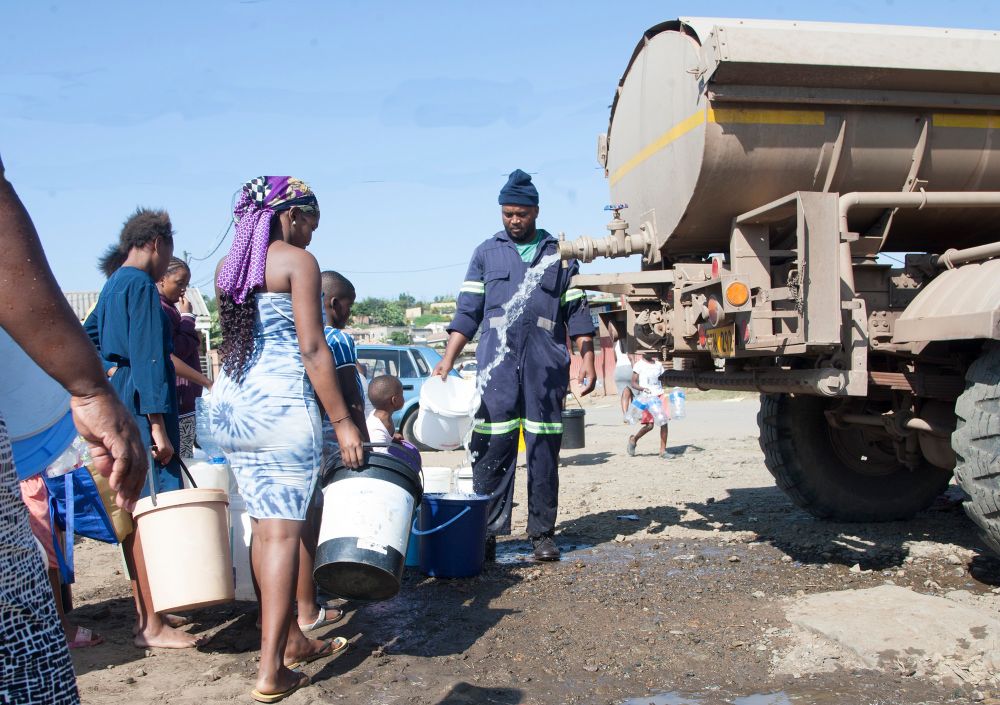
South Africa’s democracy should be judged by what it changes in people’s lives. The right to vote matters, but democracy becomes meaningful when people have access to reliable water and electricity, effective refuse removal, functioning roads, maintained infrastructure, and communities where businesses can invest, operate and grow.
The real test of democratic leadership is whether electoral mandates translate into better living conditions, economic opportunities, and human dignity. Following the local elections, attention now shifts from political competition to cooperation, responsible leadership, and effective service delivery. This responsibility extends beyond municipalities to every sphere of government and every sector of society.
The Constitution provides the foundation. It establishes the values governing public life, defines the responsibilities of government and provides the framework for accountability. The challenge is to give practical effect to these commitments in the daily lives of citizens.
Sections 1 and 2 establish the Constitution’s founding values and supremacy, including human dignity, equality, non-racialism, non-sexism, the rule of law and accountable government. Chapter 7 defines local government. Section 151 recognises municipalities as a distinct sphere, while sections 152 and 153 set out their objectives and require planning, budgeting, and administration to prioritise community needs and development.
National government establishes policy, legislation and the broader framework for resources and development. Provincial government supports municipalities, monitors performance, and strengthens capacity. Local government delivers services, promotes development, and facilitates community participation. Cooperation depends on each sphere fulfilling its responsibilities.
Section 154 provides for national and provincial support, while section 195 sets standards for public administration, including professional ethics, efficient use of resources, impartiality, accountability, and transparency. Section 139 provides for provincial intervention when a municipality fails to fulfil an executive obligation. These provisions strengthen municipal capacity and accountability without removing the responsibilities of each sphere.
Within this framework, municipal leadership and administration have distinct but complementary roles. Councillors represent the entire community, including residents who did not vote for them. They listen to residents, identify priorities, facilitate public participation, scrutinise budgets and Integrated Development Plans, and oversee implementation. Ward committees and public meetings give communities channels to raise concerns and contribute to local planning.
The mayor provides political leadership, supported by the relevant executive structure, whether a mayoral committee or an executive committee. Council remains the principal decision-making body. The municipal manager, as accounting officer, leads the administration; officials manage departments, finances, procurement, and technical implementation. Council committees scrutinise performance, and ward councillors bring residents’ concerns to council.
These roles depend on political leadership respecting professional administration and officials responding to legitimate oversight. Councillors provide direction and accountability; officials bring the expertise and capacity to implement council decisions. Clear responsibilities, competent staff, adequate resources, and measurable performance are essential.
Where election results produce a hung council, establishing a stable governing arrangement becomes particularly important. Under the existing Local Government: Municipal Structures Act, the municipal manager is required to call the first meeting of a newly elected council within 14 days after the council has been declared elected. This calls for political parties to negotiate in good faith and place residents’ interests above narrow party considerations.
Coalition agreements should be based on a shared programme of service delivery, with clear priorities, responsibilities, ethical standards, and accountability. Positions should not become the primary purpose of negotiations. Capable people should be selected on merit, and misconduct addressed regardless of political affiliation.
Working together to serve every ward, every community and the country is transformation in practice. It means moving beyond party competition to shared responsibility, combining strengths, and directing collective effort towards people’s needs. Political differences remain, but the public interest provides common ground. The measure of cooperation is whether residents experience meaningful improvements in their daily lives.
The first 100 days offer an opportunity to assess finances, infrastructure, staffing, contracts, and service backlogs, and agree on realistic priorities. Council and the administration can publish a programme with responsible leaders, budgets, deadlines, measurable targets, and reporting arrangements, so residents know what has been prioritised and how progress will be assessed.
Six-month priorities can include critical repairs, billing and revenue systems, refuse collection, water interruptions, and maintenance. At 12 months, progress should be measured against the initial assessment and reflected in the budget and Service Delivery and Budget Implementation Plan. A 24-month review can evaluate whether improvements are sustained and projects reach communities fairly.
The 48-month objective is a municipality with reliable services, sound finances, maintained infrastructure, capable administration, and meaningful public participation. National and provincial governments can align their support and investment with municipal needs. Long-term planning, sound project preparation, partnerships, and maintenance are essential; progress is measured by lasting improvements, not announcements or construction alone.
Engineers, planners, financial specialists, and project managers provide the expertise needed to maintain infrastructure and support development. External expertise and public-private partnerships can contribute, but cannot replace capable public institutions or remove public accountability. Technical solutions, funding mechanisms, and institutional systems matter, but their value depends on leadership that turns plans and resources into results.
The Auditor-General’s 2024/25 outcomes show that only 39 of 257 municipalities achieved clean audits, underlining the need for financial discipline, transparent procurement, and consequence management.
Public resources are held in trust for communities. Public office carries responsibilities, not privileges. Patronage, corruption, favouritism and political interference weaken institutions and public confidence. Appointments should reflect merit, competence, and integrity, while procurement and contract awards should be fair, transparent, and free from political interference. Internal controls, independent oversight, and timely investigations protect public money. Accountability should apply regardless of political affiliation.
Municipal financial sustainability also depends on a fair relationship between services provided and contributions collected. Residents, businesses, and property owners have a responsibility to pay legitimate municipal rates and service charges based on accurate billing and fair tariffs. However, poverty, unemployment and rising living costs leave some households unable to meet these obligations. Targeted indigent support and affordable payment arrangements can protect people in genuine need, supported by clear eligibility criteria, proper verification, and regular review. Accessible processes are also needed to resolve incorrect bills and genuine disputes.
This financial responsibility is reciprocal. Municipalities are accountable for reliable services, infrastructure maintenance, and transparent use of revenue. They are equally responsible for honouring their own financial obligations by paying Eskom, water boards, and other service providers, just as residents and businesses are expected to settle their legitimate accounts. Failure to pay these providers threatens the continuity and reliability of essential services. Contractors and suppliers should also be paid promptly for verified work, while contracts should deliver value for public money.
Municipal renewal cannot be achieved in isolation. National and provincial executives are responsible for policy, oversight, funding, coordination, and support. Public entities and state-owned companies need to deliver reliable services within their mandates. Businesses contribute investment, employment, skills, and innovation; labour brings knowledge and productive capacity; and schools, colleges and universities develop the skills on which the country’s future depends. Civil society, faith communities, and traditional leaders also strengthen participation and social cohesion.
Citizens contribute by participating in ward committees and development planning, reporting leaking pipes, illegal dumping, vandalism and damaged infrastructure, protecting public facilities and engaging elected representatives constructively. Paying legitimate charges and questioning poor performance are both part of responsible citizenship. Cooperation with the state strengthens democracy; citizens can work with the state, but cannot become the state. Shared responsibility does not release government from its constitutional obligations.
These contributions require an accountable system of political oversight, professional administration, technical capacity, sound fiscal management, transparent procurement, planning, internal audit, and community participation. Independent oversight and law-enforcement institutions protect public resources and investigate wrongdoing without fear or favour.
Transformative Consciousness begins with individuals and finds its earliest expression in families and communities. It is shaped by how people are raised, the values they practise, the responsibilities they accept and the way they treat others. At its foundation is a recognition of the value and sanctity of human life, respect for the dignity of every person, the rule of law, and an understanding that every life matters. Families, schools, workplaces, and community organisations all have a role in nurturing compassion, integrity, ethics, morality, responsibility, respect for the law and service. These values provide the foundation for a more humane, cohesive, just, and responsible society.
The Movement for a United South Africa (MUSA) advances Transformative Consciousness as an inclusive civic foundation for national renewal. It extends beyond party-political allegiance or uniformity of belief and applies to every sphere of society, including the Legislature, Executive and Judiciary, government, business, labour, civil society, faith communities, and citizens. Everyone, particularly those entrusted with authority or influence, has a responsibility to serve the people and advance the common good.
At its heart, Transformative Consciousness encourages a shift from apathy towards participation, dependency towards capability, self-interest towards service, patronage towards merit and fragmentation towards cooperation. These are not simply ideals; they should inform everyday conduct, public decisions, the exercise of authority and the use of resources.
Personal development and institutional reform are inseparable. Ethical individuals strengthen institutions, while capable institutions create conditions for responsible conduct. Character without competence is insufficient, just as good intentions without effective systems cannot deliver lasting results. Respect for the rule of law, constitutional accountability and equal justice are essential to building public confidence and protecting human dignity. Technical solutions and financial resources depend on mature leadership, thoughtful decisions, and disciplined execution. Political, business, community and technical leaders share a responsibility to function as trustees of the public interest, mobilise resources and partnerships, and pursue development with a long-term perspective.
The Second Republic offers an opportunity to renew democratic institutions and improve the relationship between government and society. It does not reject the constitutional foundations established in 1994; it calls for their promise to be realised in functioning institutions, respected public resources, and visible community progress.
Councils can set community priorities, adopt realistic budgets, and monitor performance. Administrations can concentrate on competent implementation, infrastructure maintenance, and financial discipline. National and provincial governments can provide effective support and oversight, while communities and businesses contribute to development. The task is to align these efforts around a shared purpose and sustain them beyond electoral cycles.
The elections are over. The responsibility to deliver begins. Making democracy work is a collective undertaking, but responsibilities are not interchangeable. Government is accountable for governing and service delivery; councillors for representation and oversight; officials for professional administration; businesses for responsible contribution; and citizens for participation and meeting their obligations.
South Africa’s renewal depends on a shared commitment to service. It begins with individuals, finds expression in ethical leadership, strengthens institutions, and becomes visible in people’s lives. Our democracy should offer dignity, opportunity, and a better future for all, including generations to come.
* Abu Karolia holds an MA from the University of Johannesburg and is a founder member of the Movement for a United South Africa (MUSA). He writes on South Africa’s democratic development, ethical leadership, governance, and social transformation.
** The views expressed do not necessarily reflect the views of IOL.