Major Immigration Changes Happening in October - Newsweek
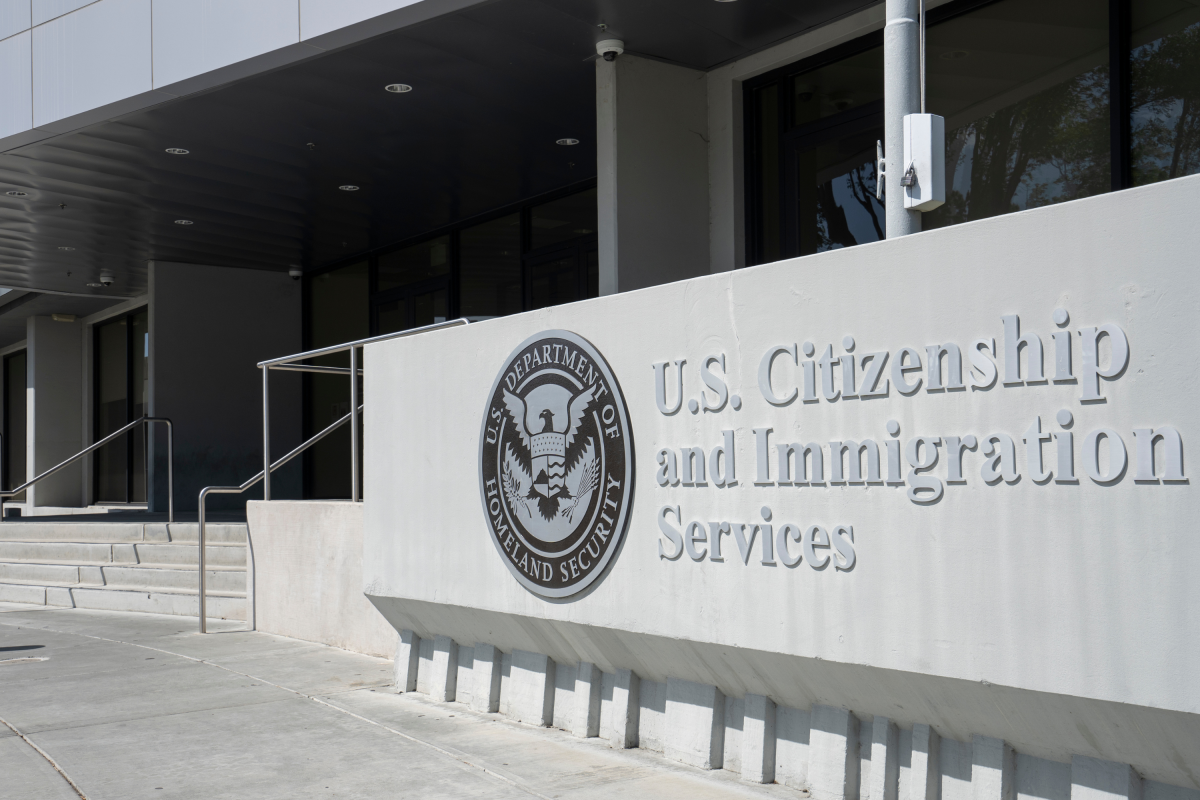
The new federal fiscal year begins October 1 with reopened green card categories, tighter Medicaid eligibility for some immigrants, and expanded social media screening of visa applicants.
The changes affect whether some immigrants can advance long-standing applications, retain health coverage, or face additional scrutiny.
Indian employment-based green card applicants, some noncitizens receiving Medicaid or CHIP, foreign journalists, and certain Canadian and Mexican professionals are among those affected.
October’s most closely watched immigration update is the State Department’s October 2026 Visa Bulletin.
The monthly bulletin sets the dates that determine when many family-sponsored and employment-based green card applicants can submit documents or receive final approval.
Two employment-based categories for Indian applicants that had no visas available in September reopen as new visa numbers become available for the 2027 fiscal year.
India’s EB-2 category, for workers with advanced degrees or exceptional ability, has a Final Action Date of November 1, 2013. That means applicants with an earlier priority date may be eligible for a visa to be issued or their green card application to be approved.
India’s unreserved EB-5 category, for immigrant investors who are not applying through one of the program’s specially protected investment categories, reopens with a cutoff of December 1, 2023.
The date for EB-1 India, which covers priority workers such as people with extraordinary ability, leading professors or researchers and some multinational executives, also advances from October 15, 2022, to February 1, 2023.
China sees particularly large changes in the Dates for Filing chart, which determines when applicants may be allowed to submit their paperwork even if their green card cannot yet be approved.
China’s EB-3 filing cutoff, covering skilled workers, professionals and some other workers, advances from January 8, 2022, to April 1, 2024. The country’s unreserved EB-5 filing date for immigrant investors moves from March 1, 2017, to March 1, 2021.
The EB-2 Final Action Date for most countries, Mexico and the Philippines, changes from “Current,” meaning no cutoff applied, to January 1, 2025.
EB-3 for most countries and Mexico moves backward from September 1 to May 15, 2024.
This backward movement is known as retrogression and means fewer applicants are immediately eligible for approval.
The State Department said it moved some employment-based dates backward to keep the number of visas issued within quarterly and annual limits.
Family-sponsored applicants see more broadly favorable movement.
F2A, covering spouses and unmarried children under 21 of lawful permanent residents, advances by one month to September 22, 2026, for most countries.
Mexico’s F2A date moves forward by seven months to March 22, 2026.
F2B Mexico, covering unmarried sons and daughters aged 21 or older of lawful permanent residents, advances to May 15, 2010.
The Philippines’ F4 date, covering brothers and sisters of adult U.S. citizens, moves to May 15, 2008.
The practical effect depends on which of the bulletin’s two charts an applicant is allowed to use.
A Final Action Date determines when an immigrant visa may be issued or an application to become a permanent resident from inside the United States may receive final approval.
A Date for Filing may allow applicants to submit their documents earlier, before a visa is ready to be issued.
People applying for permanent residency from inside the United States must check which chart U.S. Citizenship and Immigration Services (USCIS) has authorized for October.
Ricky Murray, a former senior USCIS official, said the bulletin’s late release created an immediate problem for people trying to file before the end of September.
“That is unreasonable and in most cases impossible,” Murray told Newsweek, noting that USCIS must receive the documents by the deadline, rather than applicants simply placing them in the mail.
Still, Murray identified “decent changes” in several employment categories, describing the overall picture as a mixture of “the bad,” “the good” and “the curious.”
“The curious is the entire DV section is missing on the October bulletin,” he said, referring to the Diversity Visa program, which makes immigrant visas available to people from countries with historically low rates of immigration to the United States.
Murray cautioned that the omission does not establish what will happen to the Diversity Visa program but added that it “cannot make those filing for the DV lottery comfortable that it will be around in 2027.”
Adam Klein, a former Department of Homeland Security official and co-founder of Globali.ai, also pointed to the bulletin’s timing and the different treatment of individual visa categories.
“What stands out is both how late it arrived and how uneven the movement is,” Klein told Newsweek.
He added that the bulletin by itself does not determine whether people applying for permanent residency from inside the United States can submit their applications during October.
USCIS makes a separate decision about which chart those applicants may use.
Starting October 1, federally funded Medicaid and CHIP eligibility will generally be limited to lawful permanent residents, Cuban and Haitian entrants, people residing in the United States under Compacts of Free Association, and lawfully residing children or pregnant immigrants in states using the relevant coverage option.
The change removes eligibility from several other lawfully present groups, including some refugees and asylees who do not have green cards.
Emergency Medicaid remains available to people who meet its other requirements, while states may use their own money to provide broader coverage.
The Congressional Budget Office estimated that the Medicaid and CHIP restrictions would reduce federal spending by $6.2 billion and leave an additional 100,000 people uninsured by 2034, according to KFF.
Beginning October 1, the State Department will extend its online-presence review to I visas for foreign media representatives, TN visas for qualifying Canadian and Mexican professionals, and TD visas for their dependents.
Applicants in those categories are instructed to set every social media profile to “public” or “open.”
The department said it uses available information to assess eligibility and identify possible national security or public safety concerns.
Contact Newsweek editors on this story: Tobias Meyjes and Dave Siminoff.