List of Stores Closing This Fall - Newsweek
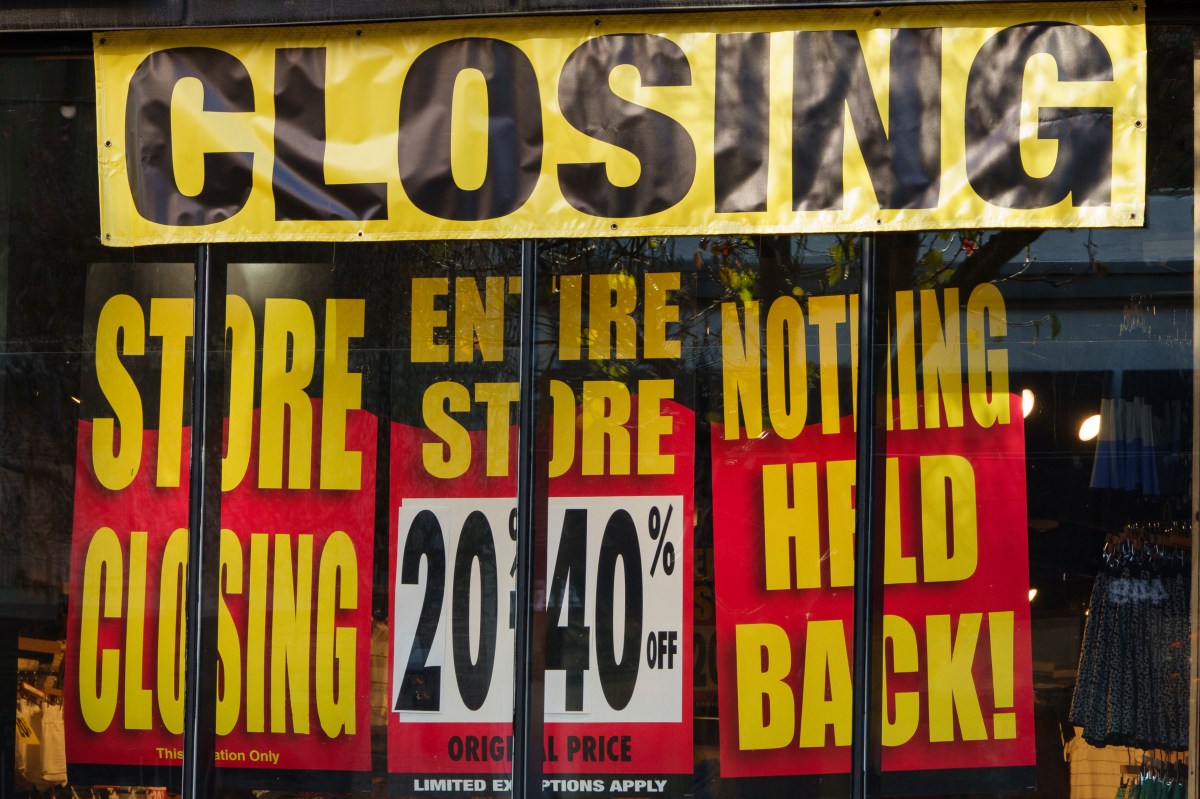
Even as the United States economy continues to add jobs, hundreds of retail locations are expected to close this fall as major chains continue restructuring.
Store closures this year have generally remained below the levels seen during recent retail downturns, but a growing number of stores are still shrinking their physical footprints in response to changing shopping habits.
This, plus higher operating costs and competition from e-commerce, has sparked what will likely be thousands of store closures this year, according to Coresight Research.
For shoppers, that means familiar stores may vanish from their local shopping centers this October and through the fall.
The latest round of closures reflects a major shift in American retail.
Many chains are no longer pursuing growth through their sheer store count. Instead, retailers are focusing on their most profitable locations while investing more heavily in e-commerce and loyalty programs.
On a larger scale, this mirrors the current economy. While overall employment remains positive, hiring has increasingly shifted toward health care and hospitality. White-collar sectors and traditional retailers, meanwhile, have struggled with slower growth.
Macy’s is continuing its multi-year "A Bold New Chapter" turnaround plan, which calls for closing about 150 underperforming stores by the end of 2026. The company has already completed dozens of closures, but there will be additional locations across multiple states.
The retailer is currently investing in its higher-performing stores and luxury brands, according to executives.
"In executing our strategy, we continue to review our portfolio and make careful decisions about where and how we invest, including closing underproductive stores and streamlining operations," CEO Tony Spring said earlier this year. "These decisions are not made lightly."
The pharmacy chain previously announced plans to close up to 1,200 underperforming locations over several years. While the pace of closures has slowed following ownership changes, stores will continue to close in multiple states this fall.
“We are prioritizing closing locations that are cash flow negative, underperforming stores where we own the locations and ones where the lease expirations are coming due in the next few years,” former CFO Manmohan Mahajan said in a prior earnings call.
Starbucks also said it plans to close about 250 underperforming North American cafes as part of its ongoing turnaround strategy in an announcement this month.
“We have carefully reviewed our North America coffeehouse portfolio and identified locations where we do not believe we can consistently deliver the experience we want for customers and partners or where we don’t see a path to acceptable financial performance,” Mike Grams, Starbucks chief operating officer, wrote in a letter to employees.
Kroger said last year it would shut dozens of underperforming grocery locations by the end of 2026 following strategic reviews of its portfolio. The company will close 60 stores across several states by the end of the year, so several stores are slated for this fall.
“As a result of these store closures, Kroger expects a modest financial benefit,” Kroger said in a release last year. “Kroger will offer roles in other stores to all associates currently employed at affected stores.”
So far, 2026 has not shaped up to be the worst year for retail closures.
According to Coresight Research data, U.S. retailers are on pace for fewer closures than in 2025. Through the first half of the year, approximately 3,321 store closures had been tracked, down more than 40 percent from the comparable period a year earlier.
This is likely because many struggling retailers already downsized significantly following the pandemic-era shift toward online shopping. That means today's closures are more likely targeted strategic decisions than widespread retail collapses.
The larger retail picture remains mixed.
While some legacy chains are still downsizing, other retailers are expanding aggressively. This could mean the industry's future includes fewer traditional department stores but remains strong overall.
Contact Newsweek editors on this story: Jason Lemon and Sam Wilson.