Lavrov rejects German warning at UN, accuses Berlin of fuelling escalation

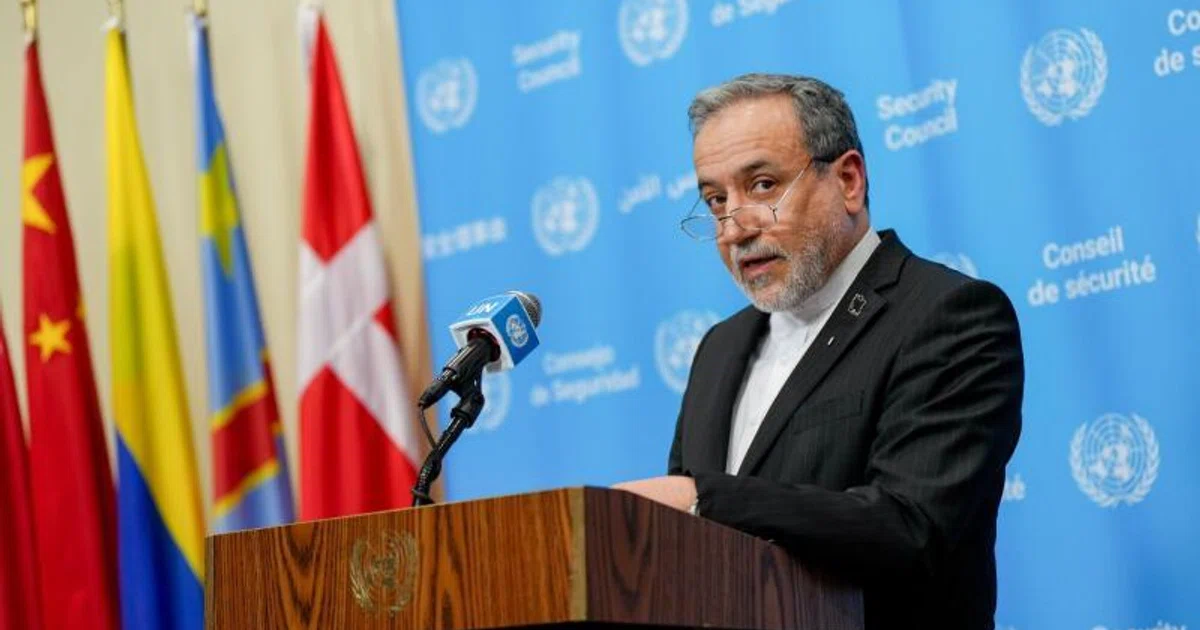
Russia's Foreign Minister Sergey Lavrov used his address to the UN General Assembly to reject German calls for Moscow to step back from what Berlin called a "dangerous path of escalation". Instead, he accused Germany of being Ukraine's main sponsor and of seeking to become a leading military power in Europe.
The remarks came after Lavrov and German Foreign Minister Johann Wadephul held what is believed to be their first face-to-face meeting since Russia's full-scale invasion of Ukraine in 2022. Lavrov also criticised Japan's military direction and said Russia would veto any attempt by Germany and Japan to secure permanent seats on the UN Security Council.
In his speech, Lavrov asked: "Does Berlin understand what this could lead to?" He added: "Didn't they not learn the lessons of World War II?"
Lavrov was dismissive about his meeting with Wadephul, which took place at the German minister's request on the sidelines of the UN gathering. "He simply reiterated his official public position condemning Russia," Lavrov said. "You can judge for yourself whether that counts as dialogue or not." Later, at a UN news conference, he said "nothing new came from that initiative of the foreign minister".
A German delegation official said Wadephul told Lavrov to abandon Russia's "dangerous path of escalation" towards Germany, Europe and the NATO alliance. According to the official, Wadephul also said he was open to a better relationship, but that this would require a genuine willingness from Russia's leadership to end the war in Ukraine.
Ties between Russia and Germany have worsened in recent weeks after an attempted drone attack last month at Leipzig airport, which Germany blamed on Russia, and the tit-for-tat responses that followed. Lavrov dismissed the allegation, calling it "an unclaimed drone" that Germany immediately said was Russian. He also challenged Germany to name one commercial vessel in the Black Sea that had been damaged or targeted by Russian strikes, saying "there are no such cases".
In his speech and at the press conference, Lavrov denounced the West, saying it "aspires to inflict strategic defeat on Russia - but these aspirations will result in the warmongers being led into a strategic dead end". He also said, "The US has destroyed the European security system and created a Russophobic regime in Kyiv."
Referring to last year's 80th anniversary of the Allied victory "over German Nazism and Japanese militarism" in World War II, Lavrov sharply rejected the idea of Germany or Japan becoming permanent members of the Security Council. The United States has long backed permanent seats for both countries and for India. Responding at the end of the assembly meeting, Japan's deputy UN ambassador Mikanagi Tomohiro said Japan is "peace-loving" and that "freedom, democracy and fundamental human rights remain unshakable foundations of Japan's every decision and action".
Lavrov also said Russia believes an agreement on ending the war in Ukraine had been reached at the August 2025 meeting in Alaska between Donald Trump and Russian President Vladimir Putin, adding that Moscow "continue to remain ready to return to it". He said that "a fairer, multipolar world order is emerging before our very eyes" and pointed to BRICS and other groupings which he described as more constructive.
Moscow has repeatedly tried to underline that it remains a strong global player despite its 4-year war on Ukraine and its isolation from the West. Foreign Ministry spokesperson Maria Zakharova wrote on her personal Telegram channel that "tens of diplomats" had come to meet Lavrov to "shake his hand and thank Russia".
Wadephul, in his own address to the General Assembly on Saturday, said: "Russia's war targets the lives of millions of innocent people, the existence of the Ukrainian state and culture and the European peace order," and urged Moscow to negotiate to end the fighting. An overwhelming majority of UN member states have repeatedly condemned Russia's invasion of Ukraine.
Lavrov's speech came as the aerial war intensified. With front-line positions largely unchanged since last year, Russia has hit Ukraine in recent months with cruise and ballistic missiles, glide bombs and jet-powered drones, while Ukraine's long-range drones have targeted Russian oil refineries and businesses. Ukrainian officials said Russian attacks killed four people on Saturday, while Russian authorities said a Ukrainian drone attack killed three.
Since the war began, which Moscow describes as a "special military operation" to ensure Russia's security and the rights of Russian speakers, Western analysts have estimated that more than 500,000 Russian troops have been killed. Ukraine has recorded more than 500,000 military casualties, including up to 140,000 deaths, though neither side discloses its own casualty figures. Overall, Lavrov used the UN stage to defend Russia's position, attack the West, dismiss Germany's outreach and restate Moscow's objections to any expanded permanent role for Germany and Japan on the Security Council.