
Lake Powell Water Crisis Sees Emergency Water Releases Continue - Newsweek
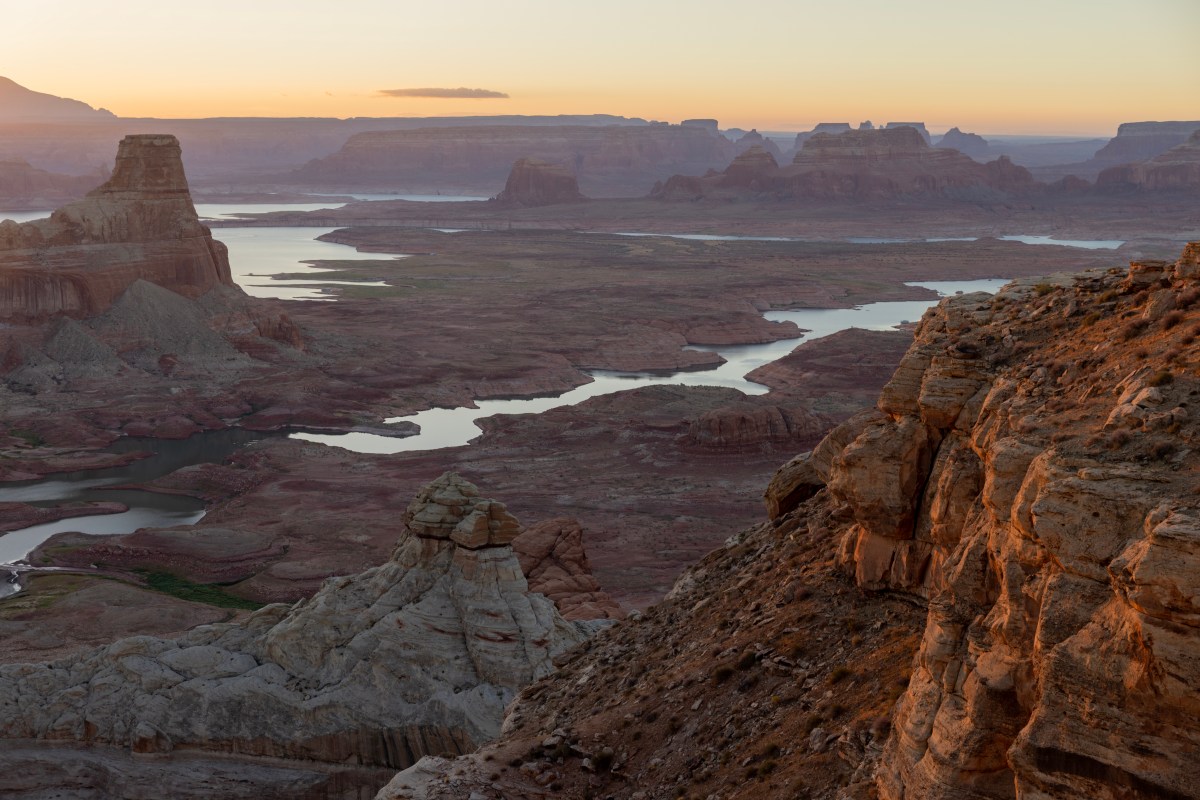
Officials in the Upper Colorado River Basin have agreed that emergency releases from Flaming Gorge Reservoir should continue through April 2027 to support critically low water levels at Lake Powell, according to The Colorado Sun.
The newspaper reported that the Bureau of Reclamation has released about 450,000 acre-feet from Flaming Gorge since April. Officials plan to release another 550,000 acre-feet by April, bringing the total to 1 million acre-feet, according to the outlet.
According to the report, the releases were intended to keep its surface above 3,510 feet while Glen Canyon Dam continues sending between 6 million and 7 million acre-feet downstream annually.
A spokesperson for the Bureau of Reclamation, which manages the reservoir, told Newsweek that the releases are a continuation of the drought responses announced in April.
Emergency releases in the Upper Colorado River Basin can help manage reservoir levels, protect downstream infrastructure, and address urgent water-supply needs, but they can also create significant local trade-offs. At Flaming Gorge, for example, changes in reservoir levels or release patterns may disrupt marina operations, boat access, fishing, and other recreation-dependent businesses and activities. These short-term economic and recreational impacts need to be weighed alongside the broader benefits of emergency water management, including downstream protection and regional water-supply needs.
In April, the Bureau of Reclamation announced plans to move between 660,000 and 1 million acre-feet from Flaming Gorge through April 2027. The agency said the releases from Flaming Gorge, together with reduced releases from Lake Powell, were intended to add up to approximately 2.48 million acre-feet to Lake Powell and help protect the Colorado River system.
Jen Valdez, owner of Buckboard Marina at Flaming Gorge, said in April 2026 about the releases, "Of course, we’re concerned," explaining that falling water would mean an increasingly long distance between the marina and the water's edge for launching boats.
The Colorado River is about 1,400 miles long and its basin covers approximately 250,000 square miles. The river supports water supplies, hydropower, recreation and wildlife habitat across seven U.S. states and Mexico.
According to the Bureau of Reclamation, approximately 40 million people depend on the river for municipal water, while it sustains 5.5 million acres of farmland. The agency says the river’s hydroelectric facilities produce more than 8 billion kilowatt-hours annually, enough to meet the needs of approximately 700,000 homes.
The Bureau of Reclamation said Lake Powell and Lake Mead—the largest reservoirs in the U.S.—both reached record-low elevations in August. Their combined contents were lower than at any point since before Lake Powell began filling following the closure of Glen Canyon Dam’s gates in 1963.
Federal officials attributed worsening basin conditions partly to the lowest observed snowpack on record during the winter of 2025-26, alongside a multidecadal drought, historically low runoff and continuing water demands.
As of Sunday, Lake Powell was just 21 percent full, with 5,088,570 acre-feet of water in storage, according to Bureau of Reclamation data. Lake Mead, meanwhile, was 26 percent full.
"Lake Mead’s record low is discouraging but not surprising," Sarah Porter, director of the Kyl Center for Water Policy at Arizona State University, told Newsweek previously.
"The reservoir will likely recover at least a little this winter, and with very heavy snowpack it could recover a lot, but levels at both Lake Mead and Lake Powell have ratcheted down over the last quarter century and one good winter won’t be enough to stabilize the system over the long term."


