Knew he was the problem: JD Vance says Flydubai co-pilot should not have flown
The Flydubai co-pilot Hamam al-Hammami, who attacked Captain Smit Machchhar, had already been flagged as a potential problem before he took control of a passenger jet. US Vice President JD Vance is now questioning how he was ever allowed back into an aircraft cockpit.
Vance's remarks came after reports that authorities in Oman had previously flagged concerns about al-Hammami's behaviour and removed him from flying duties. Despite that, he was later hired by Flydubai and assigned to passenger flights, including the Dubai-Tel Aviv route.
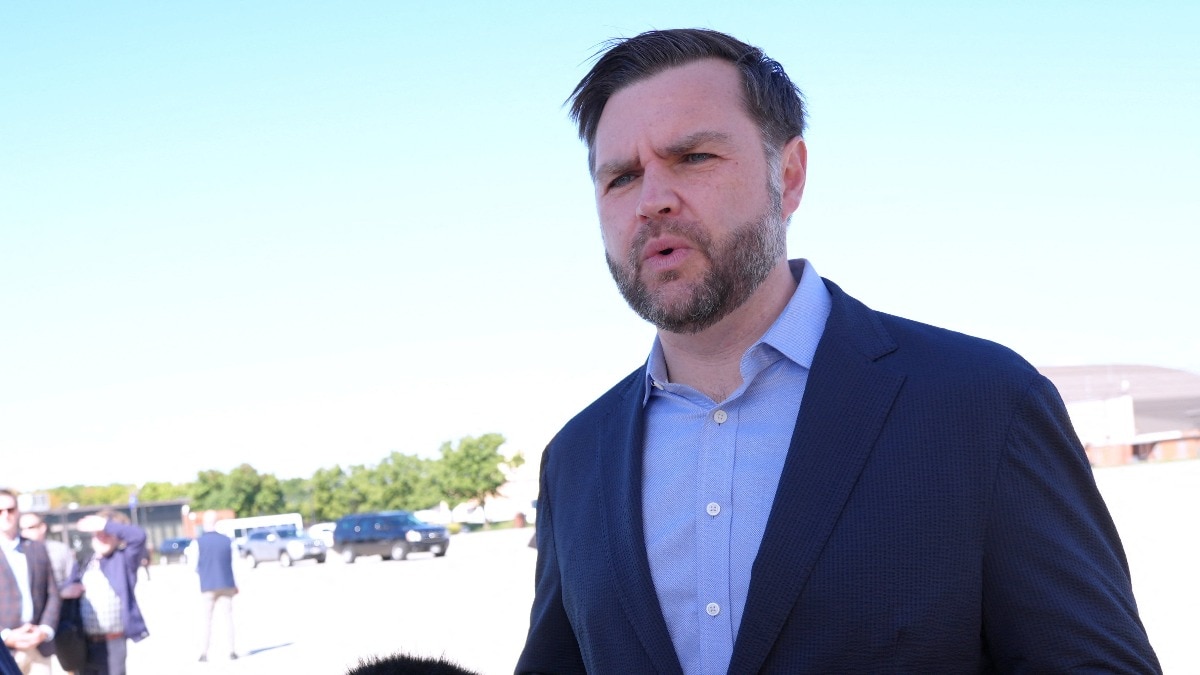
"The interesting thing about that story is we knew that guy was a problem -- meaning not United States intelligence -- but if you look historically, that person should not have been flying an airline," Vance told reporters before leaving for Alaska on Monday.
According to The Wall Street Journal, Omani authorities had previously scrutinised the 29-year-old's online activity and concluded that his interest in radical ideology raised concerns about his suitability to fly for Oman Air, where he had worked. Al-Hammami was subsequently banned from flying and put through a deradicalisation programme before being moved to a desk job, the newspaper reported, citing people familiar with the matter.
But those concerns apparently did not follow him when he moved to another airline.
People familiar with the matter told the WSJ that Oman did not share its concerns about al-Hammami with other authorities or airlines. When Flydubai hired him in February this year, the airline apparently did not contact Oman to check his previous employment history.
Vance said the incident had prompted the US administration to look closely at its own aviation security procedures, particularly how authorities determine whether someone is fit to operate a passenger aircraft.
"We're certainly looking at our procedures within the US to make sure that people who are obviously flight risks are not getting behind the wheel of an airplane," he said.
Asked about foreign pilots operating in the US, Vance said authorities needed to pay close attention to people entering the country and assess whether they could pose a security risk. He also drew a comparison with the September 11 attacks, saying the US had previously allowed people into the country who "shouldn't have been here and certainly shouldn't have been flying planes".
Addressing questions about a possible Iranian role in the Flydubai incident, Vance said he had not seen any conclusive evidence and would defer to US intelligence officials.
"In terms of involvement with Iran, that's something I defer to John Ratcliffe and some of the intelligence folks on," Vance said. "I don't want to get ahead of any announcements there. It's certainly something we're looking at, but I wouldn't say I've seen anything conclusive just yet."WHAT HAPPENED ABOARD FLYDUBAI FZ1073?
The security questions follow a major incident aboard Flydubai Flight FZ1073 on September 30.
The Boeing 737 MAX 8 was flying from Dubai to Tel Aviv when al-Hammami attacked Captain Smit Machchhar inside the cockpit. Israeli and UAE authorities later described the incident as an attempted terrorist attack.
Al-Hammami used the cockpit's emergency crash axe during the struggle and attempted to seize control of the aircraft.
The confrontation sent the plane into a steep descent. The aircraft lost more than 16,000 feet in just over 30 seconds before recovering and issuing emergency signals indicating a general emergency and unlawful interference.
There were 174 people aboard, most of them Israeli passengers.
Machchhar was wounded during the attack but managed to open the cockpit door. Passengers then rushed forward and helped overpower al-Hammami. Two off-duty Flydubai pilots who were travelling on the same flight subsequently took control of the aircraft and landed safely at Tabuk airport in Saudi Arabia.- Ends