Jesse Kline: Don't panic — we're talking about deeper ties with Paris, not Moscow - National Post
French President Emmanuel Macron, right, and Prime Minister Mark Carney shake hands during a press conference in Paris on June 12. Photo by POOL/AFP via Getty ImagesArticle contentJudging by the reaction within some conservative circles to news that Prime Minister Mark Carney has spent months laying the groundwork for deeper integration with the European Union, one would think he was trying to revive the old Warsaw Pact and cozy up to the despot in Moscow, rather than improve relations with our liberal-democratic allies.
While skepticism of the EU’s crushing bureaucracy and lax immigration policies, as well as Carney’s ability to follow through on his ambitions, is certainly warranted, this has the potential to be a huge benefit to Canada.
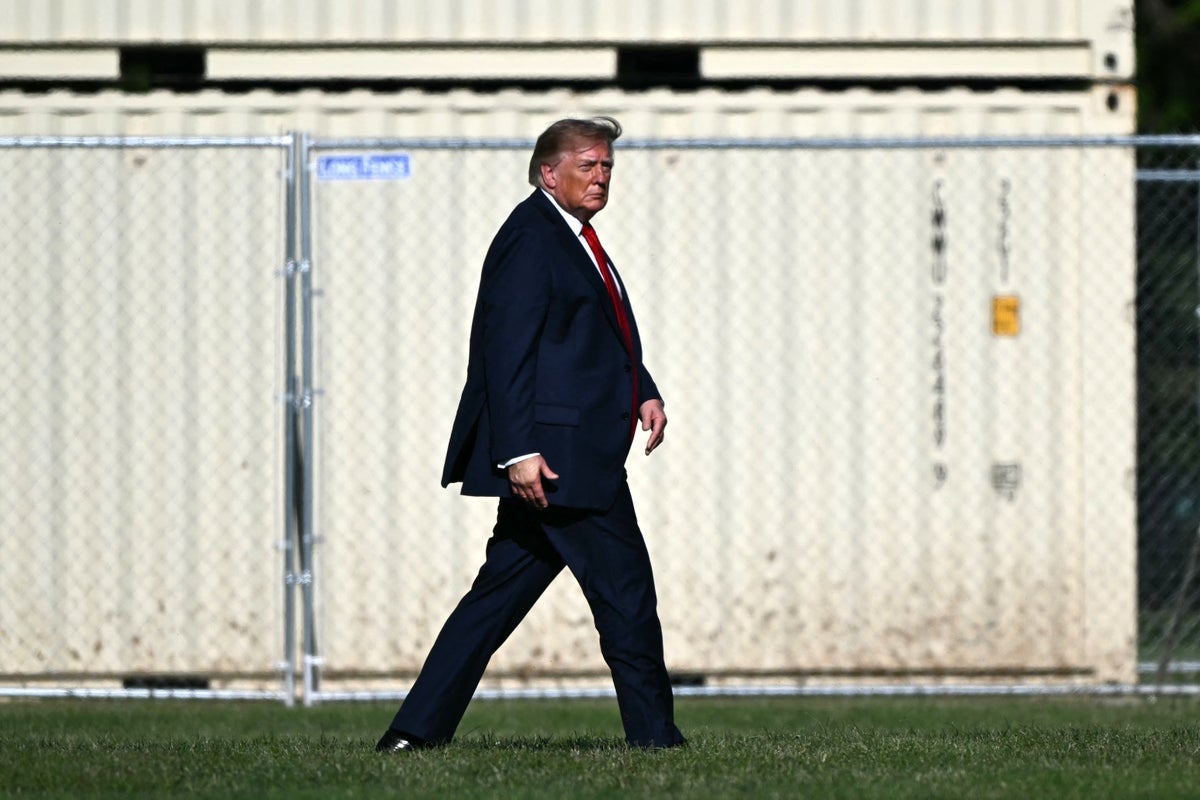
Regardless of whether you think Carney could have done more to secure a deal with the United States, the fact remains that Canada is now locked into a trade war. U.S. President Donald Trump has shown himself to be an unpredictable and unreliable negotiating partner, violating the agreement he signed during his first term and upending nearly four decades of free trade.
Columnist Jesse Kline keeps you up to date with what’s happening in Israel and the effects of antisemitism on life here in Canada. Friday mornings.
A welcome email is on its way. If you don't see it, please check your junk folder.
The next issue of Channel Israel will soon be in your inbox.
We encountered an issue signing you up. Please try again
We should all hope that this is merely a temporary blip in our bilateral relationship. But in the meantime, the correct strategy is to diversify our trading relationship with the rest of the world, so Canadians have access to a wider array of goods and services, and our businesses have the ability to export to other jurisdictions.
At the moment, around two-thirds of our exports head south, a level of concentration that has always posed a risk. Courting the Europeans does not prevent us from rekindling our relationship with the Americans, as international trade and co-operation are not zero-sum games. But it could open a world of possibilities for Canadian governments, businesses, consumers and students, while providing the impetus this country needs to build much-needed infrastructure.
The devil, of course, will be in the details. The EU is a notoriously bureaucratic institution that imposes a high regulatory burden. But the Canadian government is also famous for its bureaucratic inefficiency and overabundance of regulations and red tape. The idea that we’re some sort of bastion of free markets attempting to hold the line against hordes of European socialists is simply unfounded.