
Is China’s new local surtax a game-changer, or a bureaucratic tweak? - South China Morning Post
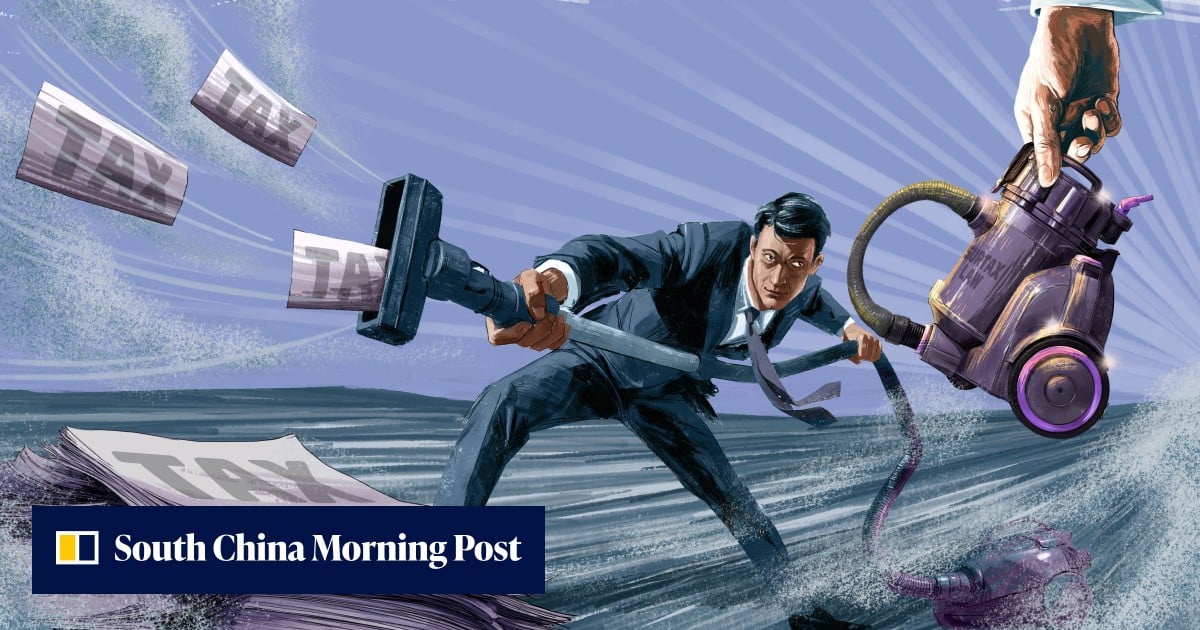
Ji Siqiin BeijingandEmma Main ShanghaiPublished: 6:00am, 16 Sep 2026Updated: 6:14am, 16 Sep 2026As even China’s wealthiest provinces continue to run deficits and rely on the central government to make ends meet, Beijing is loosening the reins on the country’s highly centralised fiscal system, with legislation for a new tax category – the local surtax – under way.
Late last month, the Ministry of Finance unveiled a draft local surtax law for public consultation. The proposed tax would merge three existing levies – the urban maintenance and construction tax, education surcharge and local education surcharge – and would be charged on value-added tax (VAT) and consumption tax payments. Provincial governments would be allowed to set rates within an 11 to 13 per cent range.
“It appears that the top leadership has heard the calls [for fiscal reform] and is aware that many localities, including coastal regions, are becoming cash-strapped,” said a frontline official with a local finance department in Zhejiang. Although the eastern province is among China’s most financially self-sufficient, it still posted a fiscal deficit of 360.6 billion yuan (US$53.8 billion) in 2025.


