
Investigators recover cockpit recorder from Ontario air ambulance that crashed off Massachusetts coast - Toronto Star
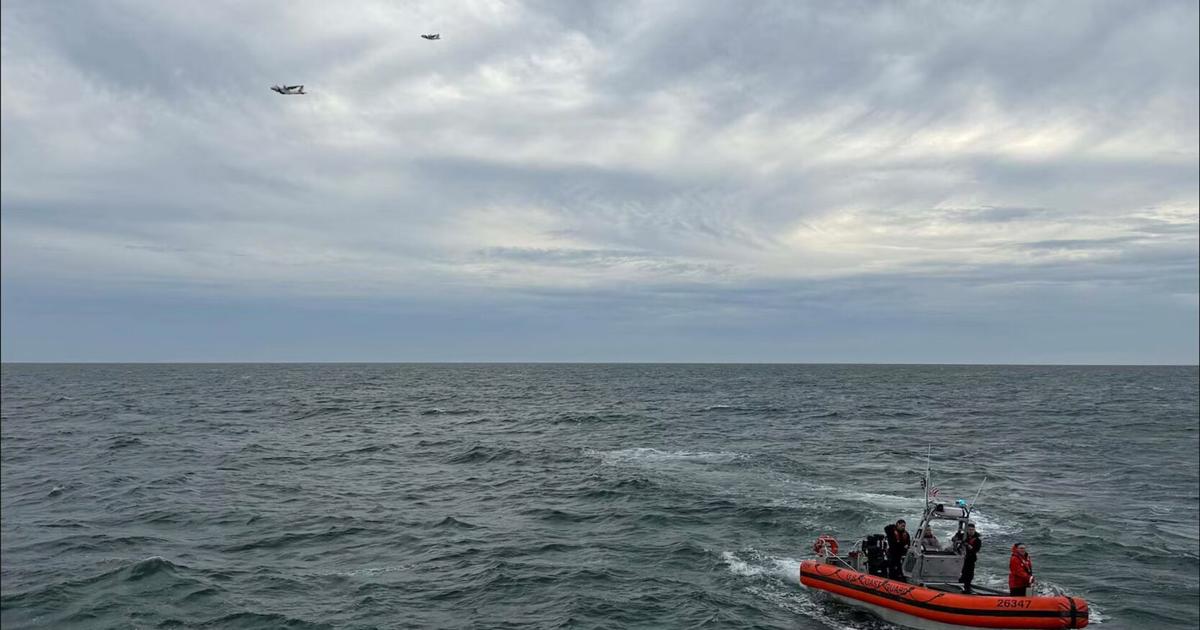
The early October flight, which went down off the coast of Nantucket, Mass., after departing Bermuda, was carrying six people, including four Canadian crew members.
The U.S. Coast Guard searched for the missing Latitude Air Ambulance plane that went missing off the coast of Nantucket. The search has been called off.
Transportation Safety Board (TSB) investigators have recovered the cockpit voice recorder and other parts of Heartbeat 104, the Latitude Air Ambulance jet that crashed in early October, killing all six people on board, including four Canadian crew members.
The Ontario-based company’s flight — a Gulfstream G100 aircraft numbered C-GRJP — was carrying a patient and her son, en route to Boston, in the early morning hours of Oct. 3.
The Canadian TSB has been leading the investigation and working with their U.S. counterparts and Massachusetts authorities to recover the plane and investigate why it went down.
“The TSB, working in co-ordination with the Royal Canadian Mounted Police and the Canadian Coast Guard, has recovered the upper third of the occurrence aircraft’s cockpit, as well as the cockpit voice recorder. Both will be transported to TSB’s Engineering Laboratory in Ottawa for further examination,” said a statement issued by the organization on Monday morning. “The investigation is ongoing.”
Latitude Air Ambulance captain Philip Childerhose, left, and first officer Thomas Farquhar are among the missing after the jet crashed over the Atlantic Ocean en route to Boston from Bermuda.
The tragic flight left Bermuda at 11:42 p.m. Oct. 3, and reported apparent problems at 12:46 a.m. Oct. 4 as it approached Nantucket, Mass., with the pilots telling air traffic control they were “coming in blind,” according to audio posted online.
“Roger, you said you’re coming in blind, is that what you said?” a New York-based air traffic controller asks, according to recordings from the website liveatc.net. “Are you declaring an emergency or no?”
The crew response is inaudible but the controller replies: “You declared an emergency and I missed the last part,” adding the audio was “broken up.” After the controller tries and fails to get a response, he asks the pilot of another plane “to see if you can see an aircraft out there.”
After its departure from Bermuda, Flight Aware data shows the plane climbing for 10 minutes to 24,000 feet at 11:51 p.m., and remaining at that altitude until 1:04 a.m. The jet then apparently descends over several minutes to 11,000 feet and continues there until it disappears.
After the U.S. Coast Guard called off the search and rescue — which took days and spanned more than 60,000 square miles, or about 155,400 square kilometres — the TSB took over the investigation because the aircraft was Canadian.
At the start of the investigation, Craig Johnston, the TSB’s director of air investigations, told the Star that they were looking to hire a boat for the investigation.
Hamilton-based Latitude Air Ambulance’s Gulfstream G100 jets. The U.S. Coast Guard is searching for jet C-GRJP, second from the bottom.
“Given the time of year, the sea state and the sea conditions are not great, we need a fairly large vessel to handle the ocean,” Johnston said. “Ideally, we want to get out sooner rather than later. The evidence is perishable and things degrade in salt water, so we always like to find it as soon as we can.”
The goal of the investigation was to find the jet’s black boxes — the flight data recorder and the cockpit voice recorder — and now the latter is in the hands of officials, who may be able to discover exactly what happened in the flight’s final minutes.
