
Indonesia Confirms Mandatory Halal Certification to Take Effect October 18 - Tempo.co English
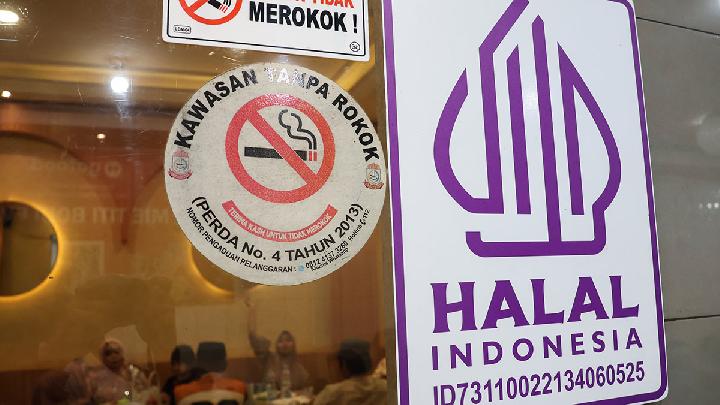
TEMPO.CO, Jakarta - The Indonesian government has affirmed that the mandatory halal certification requirement (Wajib Halal) must be implemented on October 18, 2026, in accordance with the mandate of Law Number 33 of 2014 concerning Halal Product Assurance.
"The implementation of the halal mandate is set for October 18, 2026, as a statutory mandate that must be carried out," said Popy Rufaidah, Acting Deputy II of the Executive Office of the President (KSP), in an official statement by the Halal Product Assurance Organizing Agency (BPJPH) in Jakarta on Thursday.
Furthermore, Popy stated that coordination across ministries and agencies is intended to strengthen cooperation and synergy in ensuring that all necessary steps are completed prior to the implementation date.
"This is to ensure that all ministries and agencies linked to the halal mandate can execute the necessary measures," she said.
In addition, Popy emphasized the need to consider the readiness of imported products and raw materials regarding the halal mandate's implementation, given that these goods and materials entering Indonesia originate from various countries.
Therefore, she continued, it is essential to ensure the availability of information and a clear understanding of the halal product conformity assurance mechanisms, starting from the country of origin.
"Information dissemination is also crucial for Indonesian representatives abroad. This is necessary so that information regarding the halal mandate and product conformity assurance can be conveyed to relevant parties in the countries of origin," she said.
Meanwhile, the Principal Secretary of BPJPH, Muhammad Aqil Irham, expressed appreciation for the support provided by ministries and agencies in overseeing the implementation of the halal mandate for October 2026.
According to him, this coordination is vital to ensure effective implementation while anticipating potential obstacles.
"We appreciate the support and synergy of the ministries and agencies in overseeing the halal mandate. We are incorporating and acting upon the various inputs received to strengthen implementation, ensuring that this policy optimally provides certainty for the business sector while offering protection to the public," said Aqil Irham. Mamat S. Burhanudin, Deputy for Halal Registration and Certification at BPJPH, stated that ensuring halal product compliance is a regulatory mandate necessary to provide certainty for the public and business operators.
“The implementation of Halal Product Assurance is based on the principles of protection, fairness, legal certainty, independence, transparency, legitimacy, credibility, and professionalism,” said Mamat.


