
Incoming House majority leader Katherine Clark stresses Democratic unity
Wait Wait...Don't Tell Me! Fresh Air Wild Card with Rachel Martin It's Been a Minute Machine Gods Get NPR+ More Podcasts & Shows Search Newsletters NPR Shop Get NPR+ Tiny Desk New Music Friday All Songs Considered Music Features Live Sessions About NPR Diversity Support Careers Press Ethics Katherine Clark stresses unity among House Democrats As Democrats prepare to take control of the House, incoming majority leader Katherine Clark discusses the party's ambitious agenda and divisions within its ranks. National Incoming House majority leader Katherine Clark stresses Democratic unity Updated November 19, 20269:00 AM ET Originally published November 19, 20266:20 AM ET Heard on Morning Edition By
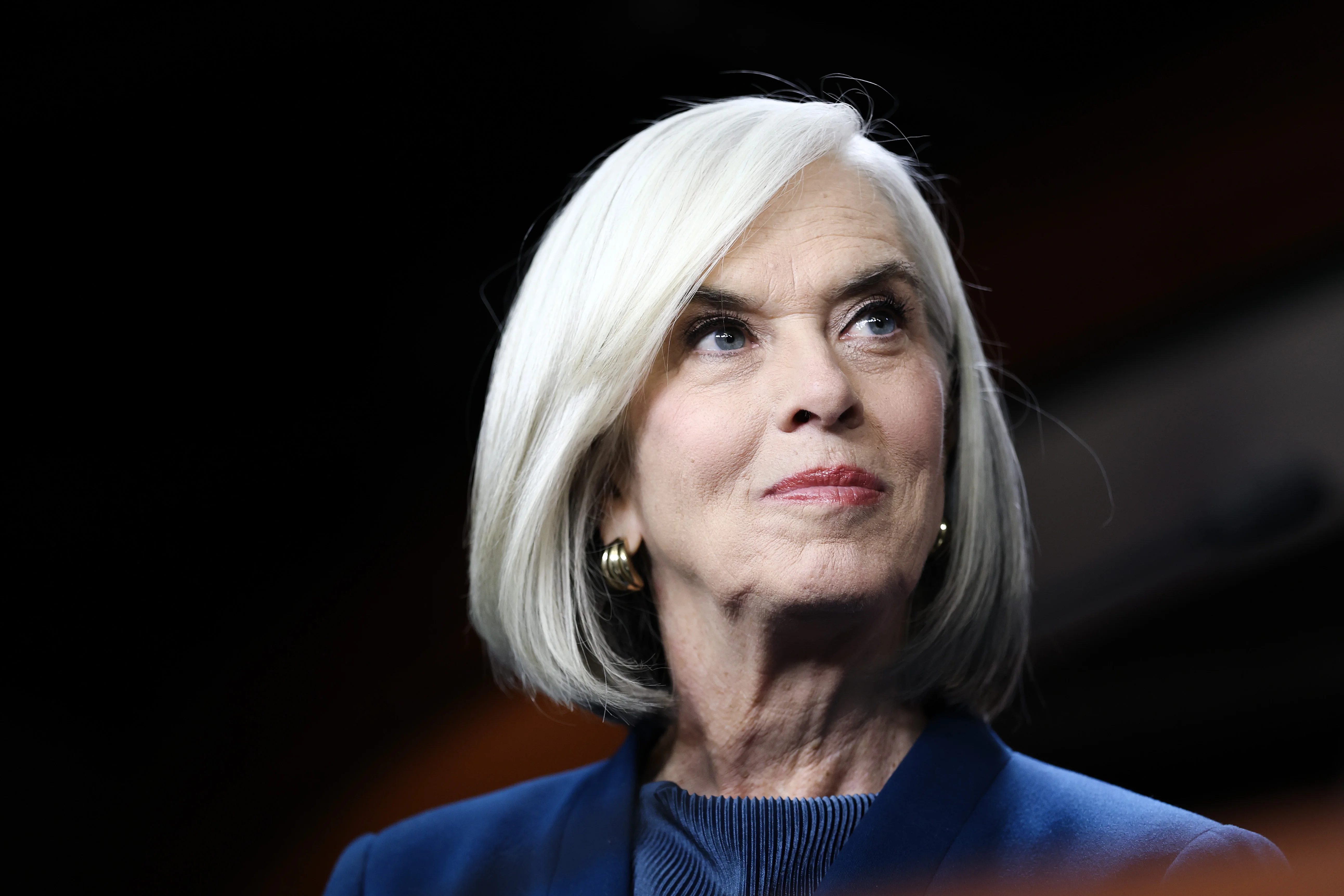
Rep. Katherine Clark, D-Mass., after House Democratic leadership elections Wednesday on Capitol Hill in Washington. Anna Moneymaker/Getty Images hide caption
Congress Democrats formally nominate Hakeem Jeffries for speaker of the House House Democrats needed a bigger room Wednesday to accommodate their newly expanded caucus, according to Rep. Katherine Clark of Massachusetts. Nominated to become the first woman to serve as House majority leader next year, Clark reflected on the moment in an interview with Morning Edition on Thursday,
"It was really looking at the diversity of that caucus, people who have been sent to Congress from all walks of life, that gives me the optimism and the energy that we can really deliver for the American people," she said.
Clark, who is currently the House minority whip, was nominated for House majority leader by a unanimous voice vote. Democrats also nominated Hakeem Jeffries for speaker and Pete Aguilar for majority whip.
The incoming leadership faces the challenge of lowering living costs while investigating alleged corruption in the Trump administration.
"Of course we can," she said when asked whether Democrats could accomplish both. "That's our responsibility."
She also called President Trump's description of himself as "Mr. Veto" a "stunning statement," expressing hope for bipartisan cooperation on healthcare.
But Democrats face divisions within their own ranks.
Jeffries won his nomination 251-11. Opposition came from incoming progressives including Darializa Avila Chevalier of New York and Adam Hamawy of New Jersey. They have pressed for Medicare for All, immigration enforcement reforms and an end to the war in Gaza.
The two leaders have differed over U.S. aid to Israel. In July, Clark voted for a Republican amendment that would have cut aid to Israel, while Jeffries opposed it.
Despite that disagreement and concerns among other Democrats about Jeffries' leadership, she emphasized party unity when asked whether the 11 votes against him could complicate Democrats' agenda.
"We are having conversations with every part of our new caucus, and they are united behind making life better for working people," she said.
Listen to the full interview by clicking on the blue button above.
The digital version was edited by Suzanne Nuyen.
NPR does not offer or accept money for coverage or interviews. Anyone who makes such an offer or request is not an NPR employee and does not represent NPR.


