I'm haunted by what I did when my mom died. So I made my son a promise - Newsweek
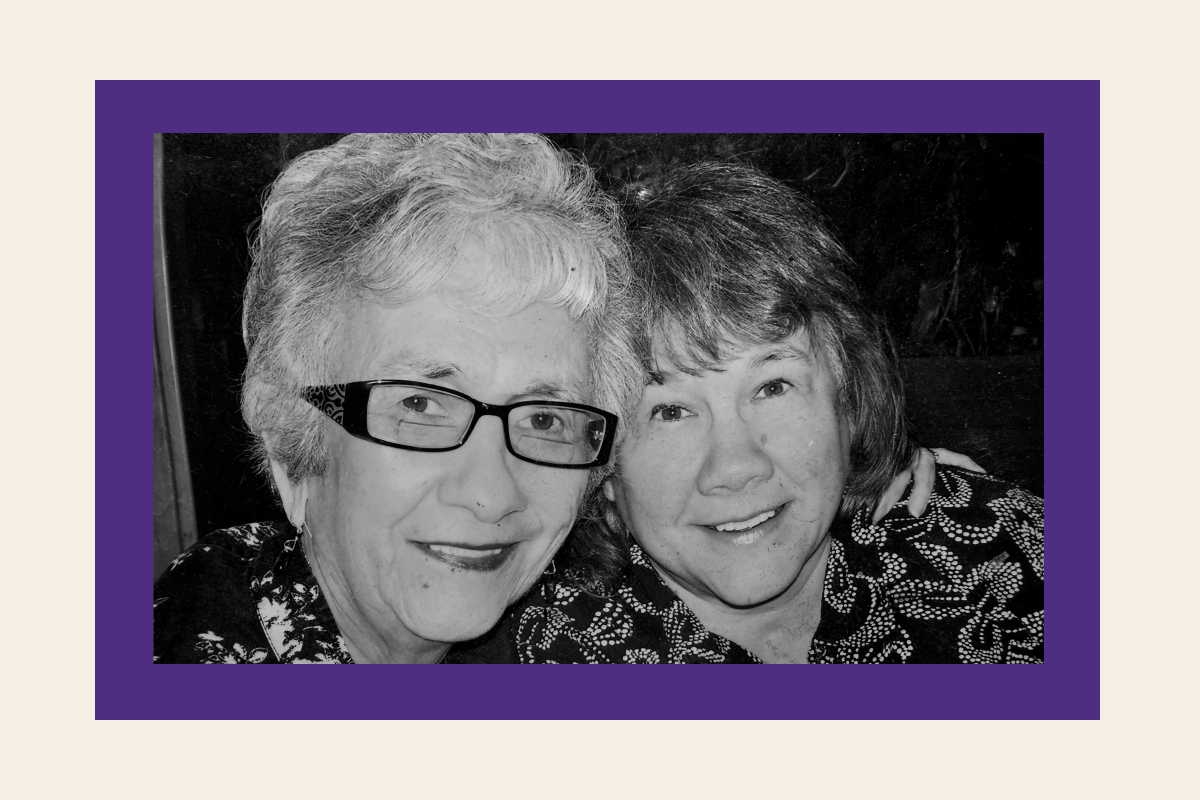
My mom had always been my best friend. She was the first one I called to share success or disappointment, or just to chat and see how she was doing. She had my back. Always.
As she aged, I wanted to make sure I had hers, too. She and my dad told me some basic wishes should they become incapacitated and need medical intervention, but all too soon I learned that life is far messier than we can plan for.
As I picked up my son from his first high school homecoming dance, my phone rang. My mom was anxiously awaiting a report on this milestone, which had been nerve-racking for him and me. There was no real crisis; it was merely the beginning of those teen years when parents become idiots in their kid’s eyes. Everything about planning for this big night had been a struggle. I figured my mom was calling to hear how it went.
“Hi, Mama,“ I said. But it wasn’t her. “Honey, your mom is on the way to the ER,” my husband stated flatly in a frightened tone. I sped to the hospital.
The next eight days were a rip in the space-time fabric of my life. My mom had “the worst surgery a human can have,” according to her cardiothoracic surgeon, a warm, gentle man. Her aorta, the big artery that comes out of your heart, had burst. Like an over inflated balloon.
She “miraculously” survived the seven-hour crucible to repair it, he said, but it left her body more beaten than before. Her carotid artery burst and she had a heart attack and a stroke during the surgery.
She was hooked up to machines that breathed for her, urinated for her, and monitored what seemed like every conceivable physical sign.
Now, we waited for her to wake. Her legs twitched, her face grimaced. Then, nothing. Hours. “Please open your eyes,” the cardiac intensive care nurse urged my mom. “We need you to wake up.” Nothing. Agony. She was more borg than human, linked to giant machines with LEDs and graphs and alarms that chimed whenever her body didn’t respond as it should. I came to hate bells.
As we waited for signs that she would live, I told her everything that was going on, who was taking care of her, and what they were doing. No reaction.
Crying, I told her I loved her and that if she needed to pass over, she should and we’d be OK. A tear slid down her face. “Look! Look at her cheek!“ I said to the nurse. “She hasn’t done that before,“ the nurse answered, stunned. My mom was in there.
The neurologist said she was out of the coma. There was hope. I was ecstatic and called relatives and friends.
But days later, nothing. The doctors kept saying she needs time for her body to recover. They urged me to be patient. I vowed to soldier on and wait. She needs time, I told myself. Time.
Days passed. She looked like a sleeping spider in a mechanical web. The alarms kept beeping; I kept showing up and waiting. Hoping. I told myself to listen to the doctors and vowed to remain positive.
Then, her fingers started turning blue.
Only then did I ask her caregivers how to know when it’s time to give up and let her go. Finally, I heard the truth. Her chances of living a normal life were low—if she came out of the coma at all.
My dad and I made the gut-wrenching decision to remove life support. Finally. As the nurses removed the tangle of wires and machines that kept her body working, she slowly morphed from a half-borg woman to Mama again. Free. Untethered.
We held her hands. She breathed on her own for an hour, then passed peacefully.
Even though it’s been over a decade since she died, I replay her time in the cardiac ICU over and over in my mind. Time may ease grief, but it also gives clarity, which, in situations like mine, can be like exchanging the flu for pneumonia.
I realize now that, during my mother’s time in the ICU, I was in the middle of a storm of emotions and little sleep and depending on medical advice that was not comprehensive. But I keep asking: Why did I let her linger? Why didn’t I make the decision to end life support sooner? Why didn’t I ask hard questions earlier?
As the anniversary of her passing approaches, I realized it’s no good to keep beating myself up. I had an idea: I can’t change the past, but maybe I can change the future.
Like me, my son is an only child, and we’re close. I can try to make sure he won’t be caught in a cloud of guilt, like I have been since my mom’s death. It’s time I had his back.
My son and I had talked about my inevitable death and my husband’s in general terms, with instructions about when to resuscitate and when not to, but I needed to do more.
One day when he was over and we were having a great conversation, I told him I needed to talk to him about something serious, based on what I learned from his grandmother’s death, which he remembers vividly. I told him he might be put in an unwinnable situation if I get sick, like I was with my mom, with not enough information, no crystal ball, and no idea of what might happen regardless of what medical choice he makes. And I can’t tell him what I want him to do in every situation that might arise, especially as medicine changes and I age.
The important thing, I told him, is to never forget that I trust him and love him, no matter what.
“You can only do your best in a horrible situation,” I said. “I know you will make a decision based on the best information and on love. That makes whatever you decide right. NO regrets. Ever.”
With teary eyes, he said, “Thanks, Mom.”
Instantly, I felt better, like I had righted a wrong. I had told him what I might not be able to say when he most needs to hear it. I gave him what I could never have—absolution.
Tara McClellan McAndrew is a writer in the Midwest.
All views expressed in this article are the author's own.
Do you have a personal essay you want to share with Newsweek? Send your story to MyTurn@newsweek.com.